

Az ezen az oldalon megjelenített műalkotások szerzői jogi védelem alatt állnak, ami azt jelenti, hogy törvényileg nem készíthetünk és nem adhatunk el belőlük pontos másolatokat. Ez a védelem olyan nemzetközi megállapodások alapján érvényesül, mint például a Berni Egyezmény és a nemzeti jogszabályok által, beleértve azokat is, amelyeket meghatározott Az USA szerzői jogi törvénye – 17. cím.
Ez a módszer teljes mértékben megfelel a szerzői jogi szabályozásnak, mivel nem tartalmazza a védett műalkotás másolását vagy duplikálását. Ehelyett ez egy kreatív újinterpretáció – egy új festmény, amely az eredetivel való összefüggései miatt hatással van rá, de nem az az.
Múzeumi minőségű giclée vagy vászonnyomat, gyors gyártással és rugalmas finomítási lehetőségekkel. ( Kézzel festett másolat rendelése Áttérés digitális képre)





























Válasszon előre meghatározott méreteink közül, amelyek megfelelnek a műalkotás eredeti arányainak.

Írja be a keretének vagy a falának megfelelő szélességet és magasságot. A nyomatot csak le lehet vágni, soha nem tehető nagyobbá, mint az eredeti kép, így egy eltérő alakú méretnél a kép egy része elveszik. Mielőtt bármit kinyatintanánk, küldünk egy digitális próbamodellt jóváhagyásra. Az oldalon látható kép nem tartalmazza a valós levágást — ezt csak a próbamodell mutatja meg.
Világszerte történő kiszállítás területére mindössze 2 hét alatt, a szokásos 4-5 hét helyett. (3 november)
The Pugilist
Reprodukció mérete
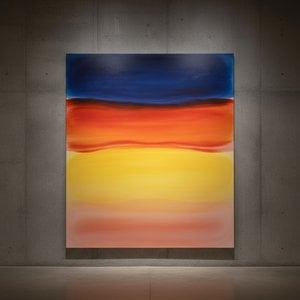
Mark Rothko's “The Pugilist,” painted in 1933, stands as a testament to the burgeoning spirit of Abstract Expressionism and its exploration of profound human emotion. More than just a depiction of three men engaged in conversation around a dining table—though that visual element certainly contributes to the scene’s atmosphere—the painting delves into themes of camaraderie, vulnerability, and perhaps even unspoken tension within a carefully constructed space.
The historical context surrounding “The Pugilist” is crucial to understanding its significance. Created during the early years of Rothko’s artistic career, it reflects the anxieties and uncertainties prevalent in Europe following the Great Depression. The artist himself described his intention as striving to express "the immensity of human suffering," a sentiment powerfully conveyed through the painting's subdued palette.
Symbolism: While Rothko deliberately avoided explicit symbolism—rejecting any preconceived notions of narrative—the colors themselves carry considerable weight. The reds and oranges evoke warmth, passion, and perhaps even aggression, subtly mirroring the dynamics between the men in the room. Simultaneously, their muted tones convey a sense of melancholy and contemplation, inviting viewers to grapple with existential questions about life’s complexities.
Ultimately, “The Pugist” succeeds in capturing a fleeting moment of human connection against a backdrop of quiet introspection. Rothko's masterful use of Color Field painting elevates the artwork beyond mere visual representation, transforming it into an emotionally resonant experience that continues to captivate audiences today. Its enduring appeal lies in its ability to provoke contemplation and evoke feelings of empathy—a remarkable achievement for an artist committed to conveying universal truths through abstract form.
A „The Pugilist” Előnézet oldalán megtekintheti a művészeti alkotást megrendelés előtt.
A "The Pugilist" alkotásban egy Calm hangulat kíséri egy Reflective érzelmet.
A "The Pugilist" színei egy Earthy palettát alkotnak. Ez a besorolás a domináns színek családjait írja le.


1903 - 1970 , Lettország

Fedezze fel a 10 legikonikusabb absztrakt expresszionista alkotást! Ismerje meg Jackson Pollock, Mark Rothko és más mesterek történetét. Művészeti reprodukciók prémium minőségben – WahooArt.com.
Explore the profound emotional depth of Mark Rothko's abstract expressionism. Discover the history, techniques & lasting impact of this pivotal Color Field painter. Expert insights for collectors and art enthusiasts.

Explore the profound history and emotional depth of Color Field painting. From Mark Rothko to Barnett Newman, discover how pure color redefined modern art through our expert-led guide for students and collectors alike.

Fedezze fel Mark Rothko 25 legikonikusabb művét! Ismerje meg az absztrakt expresszionizmus mesterének érzelmi világát, színeit és technikáit. Múzeumi minőségű reprodukciók a WahooArt-on – inspirálja otthonát egyedi faliképekkel! Explore the full collection online.

Explore the profound emotional depth of Color Field painting. Discover the history of mid-century abstraction, from Rothko to Newman, and learn how pure color transforms the viewer's experience through our expert art history guide.
 Megtekintés
 Küldés
 Megosztás
 Részletek
 Útmutató

 Letöltés
 Hasonló darabok
 X-ray felvétel
 Diavetítés
 Q&A
Q&A Statisztika
 Összes részlet megjelenítése









 Az üvegkeretes opció csak 110 cm alatti méretben érhető el


