

Az ezen az oldalon megjelenített műalkotások szerzői jogi védelem alatt állnak, ami azt jelenti, hogy törvényileg nem készíthetünk és nem adhatunk el belőlük pontos másolatokat. Ez a védelem olyan nemzetközi megállapodások alapján érvényesül, mint például a Berni Egyezmény és a nemzeti jogszabályok által, beleértve azokat is, amelyeket meghatározott Az USA szerzői jogi törvénye – 17. cím.
Ez a módszer teljes mértékben megfelel a szerzői jogi szabályozásnak, mivel nem tartalmazza a védett műalkotás másolását vagy duplikálását. Ehelyett ez egy kreatív újinterpretáció – egy új festmény, amely az eredetivel való összefüggései miatt hatással van rá, de nem az az.
Múzeumi minőségű giclée vagy vászonnyomat, gyors gyártással és rugalmas finomítási lehetőségekkel. ( Kézzel festett másolat rendelése Áttérés digitális képre)





























Válasszon előre meghatározott méreteink közül, amelyek megfelelnek a műalkotás eredeti arányainak.

Írja be a keretének vagy a falának megfelelő szélességet és magasságot. A nyomatot csak le lehet vágni, soha nem tehető nagyobbá, mint az eredeti kép, így egy eltérő alakú méretnél a kép egy része elveszik. Mielőtt bármit kinyatintanánk, küldünk egy digitális próbamodellt jóváhagyásra. Az oldalon látható kép nem tartalmazza a valós levágást — ezt csak a próbamodell mutatja meg.
Világszerte történő kiszállítás területére mindössze 2 hét alatt, a szokásos 4-5 hét helyett. (10 november)
No.1 (Untitled)
Reprodukció mérete
Mark Rothko's 1948 canvas, ‘No.1 (Untitled)’, is more than just a painting; it’s an immersion into the profound emotional landscape of one of 20th-century art’s most influential figures. This color field masterpiece, dominated by a luminous yellow expanse punctuated with deliberate blue accents and scattered red dots, immediately draws the viewer into a space of quiet contemplation. The sheer scale of the work – unknown but undoubtedly commanding – amplifies this effect, enveloping the observer in its chromatic depths.
Created in 1948, ‘No.1 (Untitled)’ emerged from a period of immense upheaval – the aftermath of World War II and the burgeoning anxieties of the Cold War. However, to fully appreciate Rothko’s work, it's essential to consider his personal history. Born Markus Yakovlevich Rothkowitz in Daugavpils, Latvia, in 1903, he carried within him a deep-seated sense of displacement stemming from his family’s experiences during the turbulent early 20th century. The pogroms and political unrest that plagued Eastern Europe instilled in him a profound sensitivity to human suffering – a theme that would become a recurring motif in his art. His immigration to Portland, Oregon, in 1913, marked not just a geographical shift but a cultural collision, further fueling his exploration of existential themes related to loss, trauma, and the search for meaning.
The deliberate use of color is paramount. The dominant yellow represents warmth, hope, and perhaps even a fragile optimism – qualities that Rothko often sought to convey despite his own struggles with depression. The strategically placed blue accents introduce an element of melancholy and introspection, acting as counterpoints to the yellow’s vibrancy. The black spots, seemingly random, are not accidental; they represent fragments of memory, moments of darkness, or perhaps even the scars of trauma – a visual echo of Rothko's own life experiences. The scattered red dots add another layer of complexity, suggesting fleeting emotions, sparks of passion, or the enduring presence of human connection amidst despair.
'No.1 (Untitled)' is not merely a decorative piece; it’s an invitation to engage in a deeply personal dialogue with art. Rothko's work possesses a remarkable ability to evoke powerful emotions – sorrow, hope, awe, and ultimately, a sense of shared humanity. A hand-painted reproduction of this artwork offers collectors the opportunity to bring this profound experience into their homes or offices, transforming spaces into contemplative sanctuaries. Its scale and color palette make it particularly well-suited for large rooms, acting as a focal point that commands attention and encourages quiet reflection. This piece is an investment not just in art, but in an enduring meditation on the human condition.
A "No.1 (Untitled)" egy Reflective érzetet kelt. Az érzelmi hangulat azt az impressziót írja le, amelyet a mű közvetít.
A „No.1 (Untitled)” nyomtatvány ajánlott felhasználása: Reflective.
A "No.1 (Untitled)" alkotás fényerisége összességében brilliant, luminanciája pedig Bright Balance.


1903 - 1970 , Lettország

Fedezze fel a 10 legikonikusabb festményt, melyeket a Slate Blue szín ural! Monet, Renoir és más mesterek művei inspirálnak. Vászonképek eladás, otthon dekoráció tippek a WahooArt.com-on. Explore the full collection online!

Explore the profound emotional depth of Color Field painting. Discover the history of mid-century abstraction, from Rothko to Newman, and learn how pure color transforms the viewer's experience through our expert art history guide.

Fedezze fel Mark Rothko 25 legikonikusabb művét! Ismerje meg az absztrakt expresszionizmus mesterének érzelmi világát, színeit és technikáit. Múzeumi minőségű reprodukciók a WahooArt-on – inspirálja otthonát egyedi faliképekkel! Explore the full collection online.
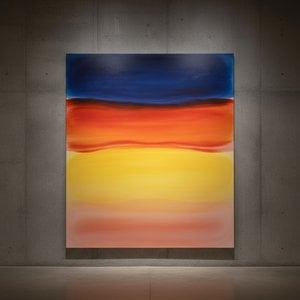
Explore the profound emotional depth of Mark Rothko's abstract expressionism. Discover the history, techniques & lasting impact of this pivotal Color Field painter. Expert insights for collectors and art enthusiasts.
Fedezze fel Wassily Kandinsky 25 legikonikusabb művét! Merüljön el az absztrakt művészet világában, ismerje meg a színek és formák lenyűgöző történetét. Prémium minőségű reprodukciók és inspiráló dekorötletek a WahooArt.com-on.
 Megtekintés
 Küldés
 Megosztás
 Részletek
 Útmutató

 Letöltés
 Hasonló darabok
 X-ray felvétel
 Diavetítés
 Kérdések és válaszok
 Statisztika

 Összes részlet megjelenítése









 Az üvegkeretes opció csak 110 cm alatti méretben érhető el


