INGYENES MŰVÉSZETI TANÁCSADÁS

x
Készíttetnék festményként Készíttetnék festménykéntKép letöltése Kép letöltése MegosztásMegosztás

DetailsDetails Kedvencekhez ad Kedvencekhez ad LetöltésLetöltés Hasonló alkotásokHasonló alkotások X-RayX-Ray DiavetítésDiavetítés

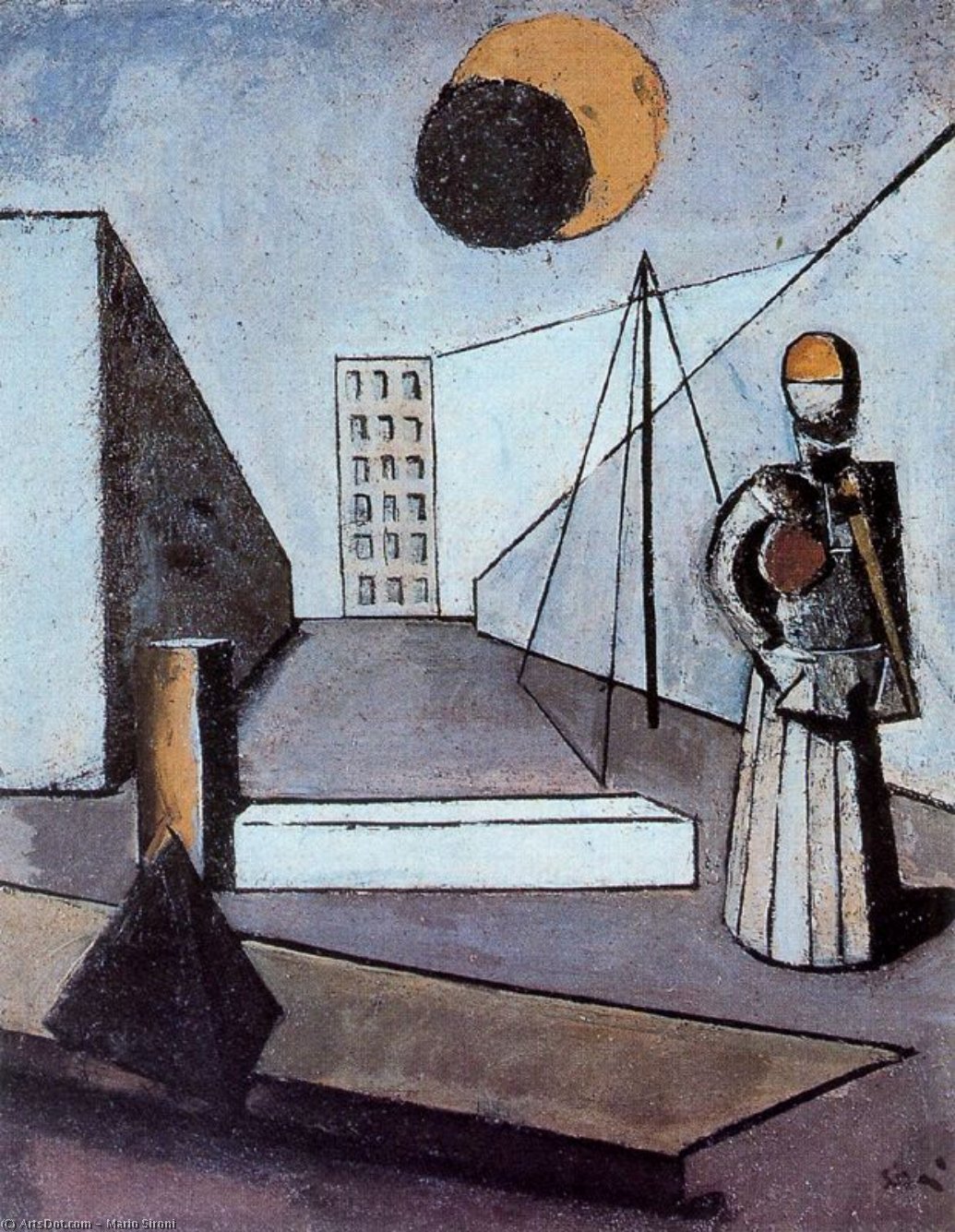
The eclipse

"Hungarian Meta Description": "Mario Sironi (1885-1961) olasz modern festő, hatalmas formák és geometriai alakzatokkal. Futurisztikus, Novecento Italiano stílusa a magány, az ipar és Olaszország identitásának témáival egyetemben."

Giclée / Műnyomat

Múzeumi minőségű giclée vagy vászonnyomat, gyors gyártással és rugalmas finomítási lehetőségekkel.

P118B $10
P118H $10
P118W $10
P438Z $10
P508JH $12
P508YH $12
P805H $10
P805Z $10
P919BZ $10
P919G $10
P919XJ $10
P959ZH $10
P968JZ $12
W106C $8
W218G $10
W218JH $8
W218Y $10
W307PJ $10
W316G $10
W316PJ $8
W316Y $10
W398PJ $8
W4111J $10
W500HY $15
W500JH $15
W692G $12
W849H $8
W940BG $15
W953PJ $8

Standard
custom
CM
INCH

Válasszon előre meghatározott méreteink közül, amelyek megfelelnek a műalkotás eredeti arányainak.

szélesség
magasság

Megadhat saját méreteket is egy konkrét kerethez vagy helyszínhez igazítva. Amennyiben a kiválasztott méret nem egyezik az eredeti kép arányokkal, a műalkotást le fogjuk vágni, vagy kiegészítjük a képet tükrözött vagy egyszínű szélekkel. A gyártás megkezdése előtt egy digitális tervezetet küldünk jóváhagyásra.
Kérjük, vegye figyelembe, hogy a képernyőn látható előnézet nem tükrözi a tényleges levágást vagy kiegészítést. Csak a tervezet mutatja pontosan a végső kompozíciót.
Bár az egyedi méretek is elérhetőek, az eredeti arányok megőrzése érdekében azt javasoljuk, hogy válasszon a előre meghatározott listából származó méretet.

Világszerte történő kiszállítás területére 2 hét alatt, a szokásos 4-5 hét helyett. 2 július

why_choose_icon
Ingyenes globális expressz szállítás
why_choose_icon
Prémium minőségű len vászon
why_choose_icon
Teljes szállítási biztosítás
why_choose_icon
Vámvisszatérítési Garancia
why_choose_icon
Tökéletes színpontosság garancia
why_choose_icon
60 napos visszaküldési lehetőség (csak gyártási hibák esetén)
why_choose_icon
100%-os pénzvisszatérítési garancia
why_choose_icon
Kedvezmény több termény esetén

Összesen

-

reproduction

The eclipse

Giclée / Műnyomat

A reprodukció mérete

-

Összesített ár

-

Hasonló műalkotások


A művész életrajza

Mario Sironi: A Master of Italian Modernism

Mario Sironi, a name inextricably linked to the heart of 20th-century Italian art, was an artist who wrestled with profound themes – solitude, industrial landscapes, and the shifting realities of his time. Born in Sassari, Sardinia, in 1885, into a family steeped in artistic tradition (his father an engineer, his maternal grandfather a renowned architect), Sironi’s early life provided him with both stability and a deep appreciation for visual expression. However, a nervous breakdown in 1903 abruptly altered the course of his trajectory, leading him away from engineering and towards the captivating world of painting. This pivotal moment marked not just a career change but a fundamental shift in his artistic sensibility – a willingness to confront inner turmoil through his art. He began formal training at the Accademia di Belle Arti di Roma, where he quickly found himself drawn to the innovative techniques of Giacomo Balla, a key figure in the burgeoning Futurist movement. Sironi’s early work reveals a fascinating interplay between traditional influences and avant-garde experimentation. Initially, he embraced Divisionism, a technique characterized by the use of separate, unmixed colors applied in small brushstrokes to create an illusion of luminosity – a style reminiscent of Impressionism but with a distinctly Italian flair. This period produced evocative portraits and landscapes imbued with a delicate sense of atmosphere. However, Sironi’s artistic journey took a dramatic turn during the early years of the 20th century as he became increasingly involved with Futurism. He participated in exhibitions alongside Balla, Boccioni, and Severini, absorbing their radical ideas about speed, dynamism, and the celebration of modern life. He even created works like *Composizione futurista* (1915), incorporating collage elements to reflect the movement’s embrace of industrial imagery. Yet, Sironi's engagement with Futurism proved short-lived. He recognized its limitations and, after a period of introspection, embarked on a new artistic path – one defined by monumental forms, stark geometries, and a profound sense of isolation. The post-World War I years witnessed the most significant transformation in Sironi’s style. He abandoned the frenetic energy of Futurism and developed a distinctly personal aesthetic characterized by massive, immobile figures and simplified geometric shapes. This shift wasn't merely stylistic; it reflected his own emotional state following the horrors of war. His paintings from this period – works like *La Lampada* (1919) and *Solitudine* (1925) – are imbued with a palpable sense of melancholy and alienation. He drew inspiration from metaphysical painting, particularly the work of Giorgio de Chirico and Carlo Carrà, incorporating elements of dreamlike imagery and unsettling spatial relationships. The figures in his paintings often appear solitary, dwarfed by the surrounding environment, suggesting a profound disconnection from the world around them. This period also saw him become a founding member of the Novecento Italiano movement, a reaction against the excesses of Futurism and a return to clarity, order, and classical values. The movement sought to establish a new aesthetic rooted in Italian tradition while embracing modern sensibilities. Sironi’s artistic output during the 1920s and 30s solidified his reputation as one of Italy's most important modernist painters. He explored themes of industrial landscapes – factories, warehouses, and urban sprawl – alongside depictions of working-class life, often portraying them with a poignant sense of dignity and hardship. His work during this time is characterized by a deliberate ungainliness, a rejection of idealized beauty in favor of a more honest and unflinching portrayal of the human condition. Notably, he created *Venere* (1921-1923), a monumental sculpture-painting that embodies his evolving style – a synthesis of form, color, and texture. Throughout his career, Sironi remained politically engaged, aligning himself with Benito Mussolini’s Fascist regime. While this association has been subject to scrutiny, it's important to acknowledge the complex context of the time and Sironi’s belief in the potential for art to contribute to a new Italian identity. Despite the controversies surrounding his political affiliations, Sironi’s legacy endures as a significant figure in Italian Modernism, bridging the gap between early avant-garde movements and subsequent artistic developments. His exploration of themes like solitude, alienation, and industrialization continues to resonate with viewers today, cementing his place as a master of Italian art.

Key Works

  • La Lampada (1919) – A powerful depiction of a solitary figure illuminated by a streetlamp, capturing the mood of urban isolation.
  • Venere (1921-1923) – A monumental sculpture-painting that exemplifies Sironi’s synthesis of form and color.
  • Solitudine (1925) – A haunting portrayal of loneliness, characterized by massive, immobile forms and a muted palette.

Legacy

Mario Sironi's work remains a testament to the complexities of Italian Modernism. His distinctive style—marked by monumental forms, geometric shapes, and a profound sense of melancholy—continues to fascinate art historians and collectors alike. Exhibitions showcasing his paintings have been held internationally, including at the Centre Georges Pompidou in Paris and the Royal Academy in London, solidifying his place as a key figure in 20th-century art.

Mario Sironi

Mario Sironi

1885 - 1961 , Olaszország

Rövid tények

  • Artistic Movement Or Style: Novecento Italiano, Modernista
  • Artists Or Movements Influenced By This Artist: ['Futurizmus']
  • Artists Who Influenced This Artist: ['Giacomo Balla']
  • Date Of Birth: 1885-05-12
  • Date Of Death: 1961-08-13
  • Full Name: Mario Sironi
  • Nationality: Olasz
  • Notable Artworks:
    • Venere
    • Solitudine
  • Place Of Birth: Sassari, Olaszország
Fedezze fel a műalkotásokat témák, stílusok és jellemzők szerint csoportosítva.