INGYENES MŰVÉSZETI TANÁCSADÁS

x
Nyomat vásárlása Nyomat vásárlásaKészíttetnék festményként Készíttetnék festményként MegosztásMegosztás
RészletekRészletek Kedvencekhez ad Kedvencekhez ad LetöltésLetöltés Hasonló alkotásokHasonló alkotások X-ray felvételX-ray felvétel DiavetítésDiavetítés

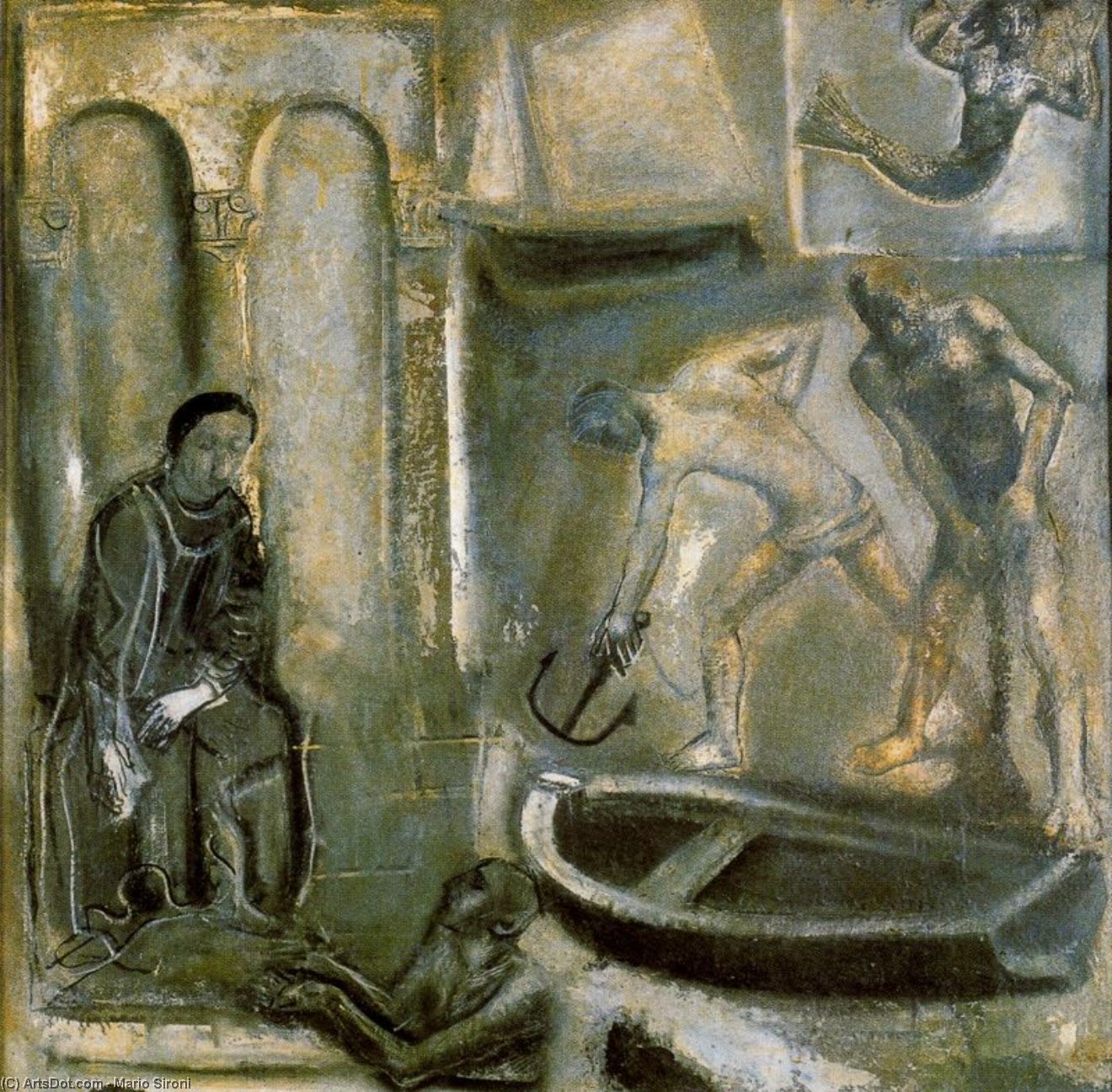
Composition

"Hungarian Meta Description": "Mario Sironi (1885-1961) olasz modern festő, hatalmas formák és geometriai alakzatokkal. Futurisztikus, Novecento Italiano stílusa a magány, az ipar és Olaszország identitásának témáival egyetemben."

Vásároljon egy nagy felbontású, javított digitális képet, amely sokkal jobb minőségű, mint az online előnézet.

Minden fájlt szakembereink a legmodernebb eszközök és precíz, kézi retusálás segítségével készítenek el aprólékosan. Gondoskodunk arról, hogy minden kép kivételes tisztasággal, pontos színhelyességgel és részletgazdag finomsággal rendelkezzen.

A végleges fájl 72 órán belül e-mailben megérkezik, professzionális, szerkesztői és nyomtatási környezetbe optimalizálva az azonnali használathoz. Ez ugyanaz a minőség, amelyben a legmeghatározóbb tervezőstúdiók, kiadók és galériák is megbízhatnak.

Digitális alkotás

Töltsön le nagy felbontású fájlt személyes kiállításokhoz, nyomtatáshoz és kreatív projektekhez.

Összesen

$9.99

Minden digitális kép rendeléséhez tartozó extrák

Szakértői digitális kézbesítés, garantáltan

Amikor a WahooArt.com weboldalt választja, nem csupán egy képet kap – professzionálisan felmagasított digitális műalkotást kap, amely precizitással készült, és amelyet megelégsedési gwarancia tesz biztoslássá. Az alábbiakban automatikusan minden benne 】

shipping_icon
Gyors e-mail teslimítés

A nagy felbontású digitális képmásolatát a megrendelést követő 72 órán belül e-mailben elküldjük Önnek – azonnal használható formátumban.

canvas_icon
MI-alapú digitális feldolgozású fájl

Műve professzionális módon kerül optimalizálásra fejlett mesterséges intelligencia eszközök és manuális szerkesztés segítségével, biztosítva a maximális részletességet, tisztaságot és színpontosságot.

insurance_icon
Örök életű ingyenes újradelivery

Véletlenül törölted vagy elvesztetted a fájlodat? Ne aggódj – bármikor ingyenesen újra megküldjük neked.

tax_icon
Nincs importköltség – soha

Élvezze műalkotásait azonnal, vám, illeték vagy szállítási költség nélkül – a digitális letöltések mindig adamentesek.

color_icon
Színpontosság Garancia

Professzionális eszközök és színkezelés segítségével garantáljuk, hogy digitális képe a lehető legpontosabban tükrözze az eredeti színeket.

return_icon
60 napos elégedettségi garancia

Ha nemມີ elégedett a digitális képpel, 60 napon belül átmunkáljuk azt, vagy 100% visszatérítjük az amountot – kérdés nélkül.

guarantee_icon
100% Pénzvisszatérítési garancia

Nem érheted el a teljes elégedettséget? 60 napon belül teljes visszatérítést kapsz a digitális fájlod megérkezése után – kérdés बिना.

discount_icon
Tömegrendelési kedvezmények

Vásároljon 3 képet, spóroljon 10%-et - Vásároljon 5-öt, spóroljon 15%-et - Vásároljon 10+ képet, spóroljon 20%-at. Kiváló kreatív projektekhez, galériákhoz és ügynökségekhez.


Művész életrajza

Mario Sironi: A Master of Italian Modernism

Mario Sironi, a name inextricably linked to the heart of 20th-century Italian art, was an artist who wrestled with profound themes – solitude, industrial landscapes, and the shifting realities of his time. Born in Sassari, Sardinia, in 1885, into a family steeped in artistic tradition (his father an engineer, his maternal grandfather a renowned architect), Sironi’s early life provided him with both stability and a deep appreciation for visual expression. However, a nervous breakdown in 1903 abruptly altered the course of his trajectory, leading him away from engineering and towards the captivating world of painting. This pivotal moment marked not just a career change but a fundamental shift in his artistic sensibility – a willingness to confront inner turmoil through his art. He began formal training at the Accademia di Belle Arti di Roma, where he quickly found himself drawn to the innovative techniques of Giacomo Balla, a key figure in the burgeoning Futurist movement. Sironi’s early work reveals a fascinating interplay between traditional influences and avant-garde experimentation. Initially, he embraced Divisionism, a technique characterized by the use of separate, unmixed colors applied in small brushstrokes to create an illusion of luminosity – a style reminiscent of Impressionism but with a distinctly Italian flair. This period produced evocative portraits and landscapes imbued with a delicate sense of atmosphere. However, Sironi’s artistic journey took a dramatic turn during the early years of the 20th century as he became increasingly involved with Futurism. He participated in exhibitions alongside Balla, Boccioni, and Severini, absorbing their radical ideas about speed, dynamism, and the celebration of modern life. He even created works like *Composizione futurista* (1915), incorporating collage elements to reflect the movement’s embrace of industrial imagery. Yet, Sironi's engagement with Futurism proved short-lived. He recognized its limitations and, after a period of introspection, embarked on a new artistic path – one defined by monumental forms, stark geometries, and a profound sense of isolation. The post-World War I years witnessed the most significant transformation in Sironi’s style. He abandoned the frenetic energy of Futurism and developed a distinctly personal aesthetic characterized by massive, immobile figures and simplified geometric shapes. This shift wasn't merely stylistic; it reflected his own emotional state following the horrors of war. His paintings from this period – works like *La Lampada* (1919) and *Solitudine* (1925) – are imbued with a palpable sense of melancholy and alienation. He drew inspiration from metaphysical painting, particularly the work of Giorgio de Chirico and Carlo Carrà, incorporating elements of dreamlike imagery and unsettling spatial relationships. The figures in his paintings often appear solitary, dwarfed by the surrounding environment, suggesting a profound disconnection from the world around them. This period also saw him become a founding member of the Novecento Italiano movement, a reaction against the excesses of Futurism and a return to clarity, order, and classical values. The movement sought to establish a new aesthetic rooted in Italian tradition while embracing modern sensibilities. Sironi’s artistic output during the 1920s and 30s solidified his reputation as one of Italy's most important modernist painters. He explored themes of industrial landscapes – factories, warehouses, and urban sprawl – alongside depictions of working-class life, often portraying them with a poignant sense of dignity and hardship. His work during this time is characterized by a deliberate ungainliness, a rejection of idealized beauty in favor of a more honest and unflinching portrayal of the human condition. Notably, he created *Venere* (1921-1923), a monumental sculpture-painting that embodies his evolving style – a synthesis of form, color, and texture. Throughout his career, Sironi remained politically engaged, aligning himself with Benito Mussolini’s Fascist regime. While this association has been subject to scrutiny, it's important to acknowledge the complex context of the time and Sironi’s belief in the potential for art to contribute to a new Italian identity. Despite the controversies surrounding his political affiliations, Sironi’s legacy endures as a significant figure in Italian Modernism, bridging the gap between early avant-garde movements and subsequent artistic developments. His exploration of themes like solitude, alienation, and industrialization continues to resonate with viewers today, cementing his place as a master of Italian art.

Key Works

  • La Lampada (1919) – A powerful depiction of a solitary figure illuminated by a streetlamp, capturing the mood of urban isolation.
  • Venere (1921-1923) – A monumental sculpture-painting that exemplifies Sironi’s synthesis of form and color.
  • Solitudine (1925) – A haunting portrayal of loneliness, characterized by massive, immobile forms and a muted palette.

Legacy

Mario Sironi's work remains a testament to the complexities of Italian Modernism. His distinctive style—marked by monumental forms, geometric shapes, and a profound sense of melancholy—continues to fascinate art historians and collectors alike. Exhibitions showcasing his paintings have been held internationally, including at the Centre Georges Pompidou in Paris and the Royal Academy in London, solidifying his place as a key figure in 20th-century art.

Mario Sironi

Mario Sironi

1885 - 1961 , Olaszország

Rövid tények

  • Artistic Movement Or Style: Novecento Italiano, Modernista
  • Artists Or Movements Influenced By This Artist: ['Futurizmus']
  • Artists Who Influenced This Artist: ['Giacomo Balla']
  • Date Of Birth: 1885-05-12
  • Date Of Death: 1961-08-13
  • Full Name: Mario Sironi
  • Nationality: Olasz
  • Notable Artworks:
    • Venere
    • Solitudine
  • Place Of Birth: Sassari, Olaszország