Megtekintés Műalkotás AR előnézete Kézzel festett másolat rendelése Áttérés digitális képre Küldés
Részletek Kedvencekhez ad Letöltés Hasonló darabok X-ray felvétel Diavetítés Statisztika

Print sample

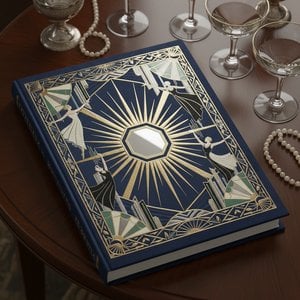
Experience Mariano Fortuny’s Venetian elegance with this 1905 print sample featuring a stylized umbrella. A master of light and color, Fortuny's innovative techniques shaped Art Deco design. Discover this unique piece and elevate your collection.

"Hungarian Meta Description": "Fortuny (1871-1949) spanyol divatmester és művész, aki innovatív szövetekkel, a Delphos ruccsal és forradalmi színpadvilágítással hódított. Orientalista hatásai, találmányai és öröksége jelentik a művészettörténet meghatározó elemeit."

Giclée / Műnyomat

Múzeumi minőségű giclée vagy vászonnyomat, gyors gyártással és rugalmas finomítási lehetőségekkel. ( Kézzel festett másolat rendelése Áttérés digitális képre)

P118B $10
P118H $10
P118W $10
P438Z $10
P508JH $12
P508YH $12
P805H $10
P805Z $10
P919BZ $10
P919G $10
P919XJ $10
P959ZH $10
P968JZ $12
W106C $8
W218G $10
W218JH $8
W218Y $10
W307PJ $10
W316G $10
W316PJ $8
W316Y $10
W398PJ $8
W4111J $10
W500HY $15
W500JH $15
W692G $12
W849H $8
W940BG $15
W953PJ $8

Standard méret
egyedi méretű
CM
INCH

Válasszon előre meghatározott méreteink közül, amelyek megfelelnek a műalkotás eredeti arányainak.

szélesség
magasság

Megadhat saját méreteket is egy konkrét kerethez vagy helyszínhez igazítva. Amennyiben a kiválasztott méret nem egyezik az eredeti kép arányokkal, a műalkotást le fogjuk vágni, vagy kiegészítjük a képet tükrözött vagy egyszínű szélekkel. A gyártás megkezdése előtt egy digitális tervezetet küldünk jóváhagyásra.
Kérjük, vegye figyelembe, hogy a képernyőn látható előnézet nem tükrözi a tényleges levágást vagy kiegészítést. Csak a tervezet mutatja pontosan a végső kompozíciót.
Bár az egyedi méretek is elérhetőek, az eredeti arányok megőrzése érdekében azt javasoljuk, hogy válasszon a előre meghatározott listából származó méretet.

Világszerte történő kiszállítás területére mindössze 2 hét alatt, a szokásos 4-5 hét helyett. (16 szeptember)

why_choose_icon
Ingyenes globális expressz szállítás
why_choose_icon
Prémium minőségű len vászon
why_choose_icon
Teljes körű szállítási biztosítás
why_choose_icon
Vámvisszatérítési Garancia
why_choose_icon
Hiteles színpontosság garancia
why_choose_icon
100 napos visszaküldési lehetőség (csak hibás termékek esetén)
why_choose_icon
100% pénzvisszatérítési garancia
why_choose_icon
Több darab vásárlása esetén kedvezmény

Összesített ár

$ 68

reproduction

Print sample

Giclée / Műnyomat

Reprodukció mérete

-

Összesített ár

$ 68

Gyors információk

  • Notable elements or techniques: Cyclorama dome lighting
  • Year: 1905
  • Location: Palazzo Fortuny, Venice
  • Artistic style: Decorative Art
  • Movement: Orientalism
  • Medium: Tempera on paper
  • Artist: Mariano Fortuny

Művészeti kvíz

Minden kérdésre csak egy helyes válasz létezik.

Kérdés 1:
What is the primary subject matter depicted in Mariano Fortuny’s ‘Print sample’?
Kérdés 2:
In what year was ‘Print sample’ created?
Kérdés 3:
Where is ‘Print sample’ currently housed?
Kérdés 4:
What artistic technique was primarily employed by Mariano Fortuny to produce ‘Print sample’?
Kérdés 5:
Fortuny’s invention, the fortuny cyclorama dome, revolutionized theater design by:

Mariano Fortuny: A Venetian Innovator Shaping Art Deco Elegance

Mariano Fortuny y Marsal (1871-1949) stands as a singular figure in the artistic landscape of the early 20th century, an artist whose multifaceted talents transcended mere painting to encompass fashion design, theatrical lighting, and groundbreaking textile innovation. Born in Reus, Catalonia, Spain, Fortuny’s formative years were steeped in the vibrant colors and textures of Orientalism – a movement that profoundly influenced his artistic vision and fueled his relentless pursuit of inventive techniques.

  • Early Life & Inspiration: Fortuny's father, also Mariano Fortuny y Marsal, was a genre painter who tragically passed away when Mariano was just three years old. This loss instilled in him an unwavering determination to honor his father’s legacy and propelled him toward artistic excellence despite immense personal hardship.
  • A Synthesis of Disciplines: Fortuny wasn't simply confined to painting; he possessed remarkable skills in photography, sculpting, architecture, etching, and theatrical stage lighting – demonstrating a rare breadth of creative exploration that would define his career.

His artistic breakthroughs began with the development of the “Fortuny Cyclorama Dome,” a revolutionary architectural innovation that utilized indirect lighting to create seamless transitions between scenes during theatrical productions. This ingenious device cemented Fortuny’s reputation as an inventor and solidified his contribution to the advancement of stagecraft.

Technique & Style: Fortuny's artistic style is characterized by meticulous detail, masterful blending of colors, and a distinctive approach to capturing light—elements that are particularly evident in his paintings. He favored tempera on paper, achieving luminous effects through layering pigments and employing glazing techniques to build up depth and richness.

Symbolism & Emotional Impact: Fortuny’s artistic output consistently explored themes of exotic landscapes, mythological narratives, and idealized beauty—reflecting the fascination with Orientalism prevalent during his time. His works evoke a sense of serenity, grandeur, and contemplation, inviting viewers to immerse themselves in worlds far removed from everyday life.

Historical Context: Fortuny’s artistic endeavors flourished amidst the burgeoning Art Deco movement, where he embraced geometric forms and luxurious materials—a testament to his ability to adapt to evolving aesthetic sensibilities. His influence extended beyond visual arts into fashion, where he created the iconic Delphos gown – a masterpiece of draped fabric and sculptural elegance that epitomized the glamour and sophistication of the era.

Legacy: Mariano Fortuny’s enduring legacy resides not only in his artistic achievements but also in his pioneering spirit—a refusal to accept conventional boundaries and an unwavering commitment to pushing the limits of creative expression. Today, reproductions of his paintings continue to inspire collectors and interior designers alike, ensuring that Fortuny's vision persists as a beacon of beauty and innovation.

  • Notable Works: Among Fortuny’s celebrated masterpieces are “Print sample,” depicting a stylized umbrella motif—a symbol of protection and resilience—and “The Poet,” capturing the contemplative gaze of a figure bathed in ethereal light.
  • Influence on Art Deco: Fortuny's innovative use of fabric and lighting profoundly impacted the Art Deco aesthetic, establishing him as one of its foremost champions.

His contribution to art history is undeniable—a testament to his genius and a reminder that true artistry transcends time, captivating audiences with its beauty and conveying timeless messages about human experience.


A művész életrajza

Early Life and Inspiration

Mariano Fortuny, a name synonymous with theatrical innovation and opulent textiles, was born in Reus, Spain, on May 11, 1871. His early life was marked by profound loss – his father, Mariano Fortuny y Marsal, a respected genre painter, passed away when the young boy was just three years old. This event spurred the family’s relocation to Paris, France, where his mother, a woman of considerable artistic sensibility, introduced him to the world of textiles and fabrics. These early experiences with luxurious materials would profoundly shape Fortuny's future creative endeavors, laying the foundation for his revolutionary approach to design. His upbringing fostered an appreciation for both visual arts and craftsmanship, setting the stage for his diverse talents.

Artistic Talents and Revolutionary Inventions

From a remarkably young age, Mariano Fortuny demonstrated a prodigious range of artistic abilities. He excelled in painting, photography, sculpting, architecture, etching, and theatrical stage lighting – a testament to his innate creativity and technical skill. However, it was his inventions that truly cemented his place in art history. Between 1901 and 1934, Fortuny patented over twenty groundbreaking devices, transforming the world of theater design as we know it. His most celebrated invention is undoubtedly the “fortuny cyclorama dome,” a quarter-dome structure constructed from plaster or cloth, ingeniously designed to create seamless transitions between scenes in theatrical productions. This innovative system utilized indirect lighting, meticulously calculated and strategically placed, to eliminate harsh shadows and produce an illusion of continuous space – a radical departure from traditional stage lighting. Fortuny’s treatise, “Eclairage Scenique” (1904), meticulously documented his discoveries regarding reflecting light, explaining how manipulating its color, intensity, and properties could dramatically alter the visual experience. He wasn't simply illuminating a stage; he was sculpting with light itself.

Notable Collaborations and Artistic Influences

Fortuny’s work gained significant recognition in the 1920s, largely due to his collaborations with some of the most influential figures of the era. He worked closely with Richard Wagner, the German composer, whose operas deeply inspired Fortuny's artistic vision. He designed sets for the premiere of Tristan und Isolde at La Scala opera house in Milan, adapting his dome system to accommodate the theater’s vast scale and even inventing a sophisticated suction fan mechanism to maintain the dome’s taut structure – a remarkable feat of engineering. His work extended beyond opera; he collaborated with Marchesa Casati, a prominent socialite and patron of the arts, creating lavish sets for her private theatre in Venice. Fortuny's legacy is inextricably linked to the Gesamtkunstwerk (total artwork) concept championed by Wagner, where all artistic disciplines – music, drama, visual art – are seamlessly integrated to create a unified and immersive experience. His work also drew inspiration from the vibrant colors and exotic motifs of Orientalism, reflecting his fascination with Eastern cultures.

Legacy and Lasting Impact

Mariano Fortuny passed away on May 3, 1949, in Venice, Italy. His innovative contributions to theatrical design, combined with his exquisite textiles – particularly the iconic “Delphos” gown – ensured his enduring legacy. His work profoundly influenced French novelist Marcel Proust, who frequently referenced Fortuny’s designs and artistic philosophy in his novels. The life of Mariano Fortuny was also depicted in Pere Gimferrer's novel "Fortuny," a testament to the artist's lasting cultural impact. Today, Fortuny’s legacy continues to inspire designers and artists worldwide, demonstrating the power of innovation and the enduring allure of beauty and craftsmanship. His techniques and designs remain relevant, proving that his vision transcended its time.

Fortuny

Fortuny

1871 - 1949 , Spanyolország

A művészről röviden

  • Artistic Movement Or Style: Orientalizmus
  • Artists Or Movements Influenced By This Artist: ['Marcel Proust']
  • Artists Who Influenced This Artist: ['Richard Wagner']
  • Date Of Birth: 1871. május 11.
  • Date Of Death: 1949. április 3.
  • Full Name: Mariano Fortuny y Marsal
  • Nationality: Spanyol
  • Notable Artworks:
    • Teagown
    • Portrétt
  • Place Of Birth: Reus, Spanyolország
Fedezze fel a műalkotásokat témák, stílusok és jellemzők szerint csoportosítva.