EtchingEarly Renaissance
 1520Renaissance
 114.0 x 86.0 cm
 Rijksmuseum
Múzeumi minőségű giclée vagy vászonnyomat, gyors gyártással és rugalmas finomítási lehetőségekkel. ( Kézzel festett másolat rendelése Kép letöltése)





























Válasszon előre meghatározott méreteink közül, amelyek megfelelnek a műalkotás eredeti arányainak.

Megadhat saját méreteket is egy konkrét kerethez vagy helyszínhez igazítva. Amennyiben a kiválasztott méret nem egyezik az eredeti kép arányokkal, a műalkotást le fogjuk vágni, vagy kiegészítjük a képet tükrözött vagy egyszínű szélekkel. A gyártás megkezdése előtt egy digitális tervezetet küldünk jóváhagyásra.
Kérjük, vegye figyelembe, hogy a képernyőn látható előnézet nem tükrözi a tényleges levágást vagy kiegészítést. Csak a tervezet mutatja pontosan a végső kompozíciót.
Bár az egyedi méretek is elérhetőek, az eredeti arányok megőrzése érdekében azt javasoljuk, hogy válasszon a előre meghatározott listából származó méretet.
Világszerte történő kiszállítás területére mindössze 2 hét alatt, a szokásos 4-5 hét helyett. (6 szeptember)


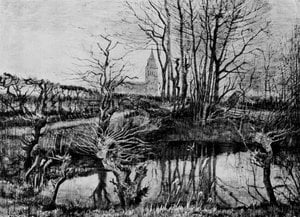
Cain Killing Abel
Reprodukció mérete
To stand before an image like Lucas van Leyden's Cain Killing Abel is to confront a moment of primal human failure, rendered with the meticulous grace of the early Renaissance. This etching, dating from 1520, transcends mere depiction; it captures the visceral echo of fratricide—a foundational tragedy woven into the tapestry of biblical narrative. The scene unfolds in a stark natural landscape, where the lushness of the foliage and trees serves only to heighten the drama unfolding in the foreground. It is a tableau vivant of irreversible action, forcing the viewer to bear witness to the instant when jealousy curdles into deadly force.
Van Leyden’s command over the etching medium is nothing short of breathtaking. The piece is a profound study in line work; observe how the artist utilizes fine lines and intricate cross-hatching not merely to shade, but to build palpable texture—the rough grain of the earth beneath Abel, the taut musculature of Cain, the very air thick with impending violence. This technical virtuosity, characteristic of early Dutch printmaking, lends an almost unsettling realism to the composition. The interplay of light and shadow is handled with such care that it sculpts the figures out of the monochrome depth, giving weight and gravity to every outstretched arm and fallen body.
The narrative itself—the confrontation between Cain and Abel—is steeped in potent symbolism. The contrast between the two figures is immediate and devastating. Cain, poised with an object of potential destruction, embodies unchecked rage and consequence. Conversely, Abel lies victim to this sudden brutality, his prone form speaking volumes about innocence violated. The surrounding natural world acts as a silent, indifferent witness; it frames the human drama without offering solace or judgment. This juxtaposition—the vibrant life suggested by the background against the stark finality of the foreground action—is what gives the work its enduring emotional resonance.
For those who wish to integrate such a powerful piece of art into their contemporary living space, acquiring a high-quality reproduction of this etching offers an unparalleled connection to artistic history. Our hand-painted reproductions are crafted with exceptional attention to detail, striving to mirror the depth and nuance of Van Leyden’s original 1520 work. Owning this piece allows one not only to decorate a room but to curate a dialogue with the masters of the Renaissance. It is an investment in narrative power, technical brilliance, and timeless human emotion.


1494 - 1533 , Hollandia

Master the nuances of Giclée printing with our expert guide. Discover how pigment-based inks and museum-grade substrates create fade-resistant, high-fidelity art reproductions designed for discerning collectors seeking unparalleled quality and longevity.
Transform your digital artistry into a prestigious global brand with WahooArt’s premium Giclée prints. Experience museum-quality archival excellence and seamless on-demand fulfillment designed for the modern creative entrepreneur seeking to build a lasting artistic legacy.

 Megtekintés
 Küldés
 Megosztás
 Részletek

 Letöltés
 Hasonló darabok
 X-ray felvétel
 Diavetítés
 Összes részlet megjelenítése







 Az üvegkeretes opció csak 110 cm alatti méretben érhető el