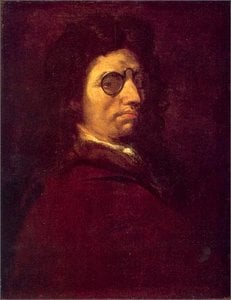
Egy nápolyi tűzgyújtó: Luca Giordano élete és művészete
Luca Giordano, 1634-ben született Nápolyban, hamar a késő barokk kor szellemiségének megtestesítőjévé vált. Nem csupán festő volt, hanem egy természeti erő, egy kreativitás örvénye, melynek páratlan produktivitása átalakította az olasz és spanyol területek vásznait és építészeti tereit egyaránt. Apja, Antonio Giordano fektette le a művészi képzés alapjait, de Jusepe de Ribera szigorú, ám mesteri útmutatása alatt kezdte Luca igazán kialakítani sajátos stílusát. Ez a korai tanulság nyomot hagyott rajta, ami megnyilvánult az alakok drámai intenzitásában és realista ábrázolásmódjában, melyek Giordano első alkotásait jellemezték. Ribera gyakran komor palettájától eltérően azonban Luca természetes hajlama volt a fényességre és a mozgásra – olyan tulajdonságok, amelyek végül meghatározták egyedi stílusát. Már ekkor elnyerte a „Luca fa presto” (Luca a gyors) becenevet, ami figyelemreméltó sebességére és látszólag határtalan energiájára utalt. Nem csupán tehetséges volt, hanem képes volt mély érzelmeket és lenyűgöző látványosságokat megörökíteni olyan könnyedséggel, ami ámulatba ejtette kortársait.
Utazások és megbízások: A művész állandó mozgásban
Giordano művészi útja messze nem volt statikus. Egy dinamikus fejlődés volt, melyet megrendelések és utazások hajtottak, elvezette az olasz félszigeten túlra is. Nápolyban kiemelkedő csillaggá emelkedett, majd lehetőségeket keresett Rómában, Firenzében és Velencében, felszívva minden város egyedi hatásait szivacsként. Velencében tanulmányozta Titian és Veronese munkásságát, átvéve élénk színpalettájukat és dinamikus kompozícióikat – éles ellentétben a korai képzésének árnyékos tenebrizmusával. Firenzében jelentős falfestményciklusokat vállalt, leginkább a Chiesa del Carmine Corsini kápolnájának dómján, bemutatva növekvő mesterségét az illuzionisztikus térben és a narratív történetmesélésben. De éppen egy évtizedes spanyolországi tartózkodása (1682-1692) szilárdította meg nemzetközi hírnevét. II. Károly udvari festőjévé nevezték ki, és Giordano gazdag falfestményekkel varázsolta át a spanyol belső tereket, friss olasz lendületet juttatva a visszafogottabb spanyol művészeti hagyományokba. A firenzei Biblioteca Riccardiana allegorikus falfestményeivel, melyek az isteni bölcsességet ünneplik, példaként szolgál erre az időszakra, bemutatva képességét az intellektuális mélység és a vizuális pompák ötvözésére.
Egy stílus szintézise: Giordano művészi kézjegy
Giordano zsenialitása nem új technikák feltalálásában rejlett, hanem a meglévők szintézisében egy figyelemre méltó folyékony és dekoratív stílussá. Mesteri módon ötvözte Ribera örökségének drámai realizmusát, a velencei festők által inspirált fényes kolorizmust és Pietro da Cortona dinamikus kompozícióit. Ecsetkezelése szabadságával és spontaneitásával jellemezhető, ami könnyedség érzetét keltett. Nem tartózkodott az ornamentikától, vásznait bonyolult részletekkel és hullámzó draperákkal töltötte meg – ez a késői stílusának védjegye. Ez a megközelítés lehetővé tette számára, hogy széles körű témákat – vallási jeleneteket, mitológiai történeteket, portrékat és dekoratív sémákat – egyaránt hasonló bravúrával kezeljen.
A párizsi ítélet, mely a berlini múzeumban található, példaként szolgál erre a szintézisre; ez a klasszikus mitológia vibráló ábrázolása, amely egyértelműen barokk stílusban készült. Falfestményei, különösen a nápolyi székesegyházban és számos nápolyi palotában találhatóak, monumentális alkotások, amelyek átalakítják az építészeti tereket magával ragadó vizuális élményekké, melyek színnel és drámával borítják be a nézőt.
Hagyaték és hatás: Egy mester tartós öröksége
Luca Giordano hatása élete után is túlmutatott rajta. Számos tanítványt nevelt, köztük Paolo de Matteis-t, aki sikeres művésszé vált, terjesztve stilisztikai innovációit Itáliában és azon kívül. Munkássága hidat képezett a magas barokk és a rokokó korszak között, utat nyitva a 18. századi művészet könnyedebb, játékosabb esztétikájának. Párátlan termelékenysége – több mint hatszáz festményre és számos falfestményciklusra becsülve – továbbra is lenyűgözi a közönséget. A nápolyi Capodimonte palota kincsesbánya a művei számára, átfogó képet nyújtva művészi fejlődéséről. Giordano képessége a technikai virtuozitás és az érzelmi mélység zökkenőmentes ötvözésére biztosítja helyét az olasz barokk egyik legfontosabb és legkedveltebb alakjaként. 1705-ben halt meg szülővárosában, Nápolyban, örökséget hagyva maga után, amely továbbra is inspirálja a művészeket és a művészet szerelmeseit egyaránt.
Főbb művek és művészeti kapcsolatok
Íme néhány figyelemreméltó munka és művészeti kapcsolat:
- A párizsi ítélet (Berlini Múzeum): Giordano mitológiai festményeinek kiemelkedő példája, bemutatva vibráló színpalettáját és dinamikus kompozícióját.
- Krisztus a templomban a tanítókkal (Corsini Galéria, Róma): Bemutatja képességét a vallási narratívákban és a fény-árnyék mesteri kezelésében.
- Falfestmények Firenzében és Nápolyban: Monumentális alkotások, amelyek átalakították az építészeti tereket magával ragadó vizuális élményekké.
- Hatások: Jusepe de Ribera, Titian, Veronese, Pietro da Cortona
- A művészre hatottak: Paolo de Matteis és egy generáció nápolyi festője.



 Megtekintés
 Áttérés Nyomtatványra
 Küldés
 Megosztás
 Részletek

 Letöltés
 Hasonló darabok
 X-ray felvétel
 Diavetítés
 Statisztika


 Összes részlet megjelenítése