A művész életrajza
A spanyol látlelet a kubizmusban: Juan Gris életrajza
Juan Gris (eredeti neve José Victoriano González-Pérez) 1887. március 23-án született Madridban, egy olyan művész útjára indult, amelynek eredményeként az első világháború elején a 20. század egyik legjelentősebb alakjává vált. Elsőként nem festészeti pályával kezdte, hanem mérnöki tanulmányokat folytatott a Madridi Művészeti és Ipari Egyetemen, ami mutatja, hogy milyen analitikus eszméivel rendelkezett, melyek később jelentősen befolyásolták művészi megközelítését. Már az egyetemi évei során is felfedezte kreatív szikráját – a rajzaival közlő folyóiratokban megjelenő képei utalnak arra, hogy egyre nagyobb figyelmet kap a vizuális tehetsége. 1905-ben azonban elhatározta, hogy művész lesz, és a művészi álmait követi, így a művészneve is megváltozott: Juan Gris lett.
A párizsi ébredés és a kubizmus fogadása
1906-ban Madridot hagytva vette fel a lelkét Párizst, egy olyan várost, amely az akkori művészeti élet központja volt. Gris belemerült a párizsi szellemiségbe, barátságot kötött olyan neves művészekkel, mint Henri Matisse, Georges Braque és Fernand Léger. Kezdetben szatirikus illusztrációkat készített különböző folyóiratok számára, például az anarchista szatirikus *L'Assiette au Beurre* magazinban, ami segítette a megfigyelési képének fejlesztését és egyedi vizuális érzékeinek kialakítását. Azonban Pablo Picasso vonzóereje különösen nagy volt rá. 1910 körül Gris komolyan elkezdte a festést, elhagyva a karikatúrát, és belevette magát a kubizmus virágzásába. Ez nem csupán utólagos másolat volt; egy új vizuális rendet kereső kutatási útra indult. Korai kísérletei a hagyományos ábrázolás elutasításával kezdődtek, az absztrakt formákat alkalmazva a valóság alapterelmének megfogalmazására.
A percepció geometriája: Stílus és kulcsfontosságú művek
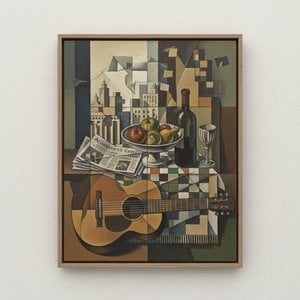
Juan Gris művészete kiválóan egyértelmű és szellemi mélység jellemzi. Nem csupán az objektumokat bontotta, hanem őket ismételte meg, a precíz geometriai formákra és a gondosan átgondolt színpaletta hangsúlyozására összpontosítva. Ez az iskola felfedezte a "kristály időszakot", amelyet Gris később utólag definiált, és amely a művész korai, egyedi stílusát tükrözte. Ezek a művek remekművek, amelyek a perspektívák, szögeik és az általuk létrehozott mélység interakcióját mutatják be, miközben kihívást jelentenek a hagyományos perspektívákkal szemben. 1913-ban Gris teljesen átvette a szintézis kubizmust, és a valós világ anyagait – például papírlapokat – integrált alkotásába. Ez a technika további komplexitást és tapintékosságot adott munkáinak, elmosva a festmény és a szobor közötti határokat. Bemutatkozó művei közé tartozik *A tengerparton ülő gitár* (1925), amely a egyszerű formákra és a kubista elvek betartására összpontosít, valamint *Pablo Picassohoz zokozolás* (1912), ami azt jelzi, hogy egyre nagyobb figyelmet kapott a művész körében.
A művészek befolyása és öröksége
Juan Gris hozzájárulása a kubizmushoz nem csupán stilisztikus innovációkigényes; szellemi mélységnek és strukturalis tisztaságnak tett tanúja a mozgalom számára. Aanalitikus fázistól elszakadt, és egy rendszerezettebb, szintézishez vezető stílust alakított ki, hangsúlyozva az elrendezés és a precizitást. Művei nagyban befolyásolták Amédée Ozenfant és Charles Edouard Jeanneret (Le Corbusier) purista stílusát, ami a klasszikus formák és kompozíciók visszaállítására ösztönözte. Gris hangsúlyozása a geometriai formákra, harmonikus színpalettákra és az életszerű anyagok integrálására tett őt kulcsfontosságú alakjává a 20. századi művészetben. Művei öröksége ma is inspirálja a művészeket, bizonyítva a kubizmus tartósságát és Juan Gris látleletének egyedi vonásait.
Élete és munkássága
José Victoriano González-Pérez 1887. március 23-án született Madridban. Édesapja egy műszaki mérnök volt, anya pedig a művészet iránt érdeklődő nővér. A gimnáziumi évei alatt a művészi tehetsége felmerült, és részt vett a helyi folyóiratok rajz- és illusztrációk készítésében. 1902-ben beiratkozott a Madridi Művészeti és Ipari Egyetem műszaki rajz tanszékére, ahol a geometriai eszméket tanulmányozhatta. A gimnáziumi évei után egy öreg akadémista festőnél, José Mareno Carbonerónál tanult festést. Közben részt vett művésztársaságban, és kapcsolatot épített ki más művészekkel is. 1909-ben Párizsba költözött, ami jelentős változást hozott az életébe. A város a művészeti élet központja volt, ahol számos neves művész élt és alkotott. Azonban nem tudott megtermett pénzügyi helyzetet teremteni, ezért újságrajzolóként dolgozott, karikatúrákat készített különböző folyóiratok számára. 1906-ban a Párizsi Művészeti Akadémia felvette őt, ahol a festészet alapjait tanulhatta.
1909-ben Lucie Belin, Gris felesége, megszülte Georges Gonzalez-Grisöt, a művészetlen gyermekét. A család 1909 és 1911 között élt a Bateau-Lavoirban, Párizs egyik legbefolyásosabb művészi központjában. Gris a Bateau-Lavoirban találkozott olyan neves művészekkel, mint Henri Matisse, Georges Braque és Fernand Léger. A művész szatirikus illusztrációkat készített különböző folyóiratok számára, például az anarchista szatirikus *L'Assiette au Beurre* magazinban, valamint *Le Rire*, *Le Charivari* és *Le Cri de Paris* című lapokban is. A párizsi élete során Gris követhette Picasso útját, és a Bateau-Lavoirban találkozott olyan neves művészekkel, mint Pablo Picasso. 1912-ben Gris aláírta egy szerződést Daniel-Henry Kahnweilerrel, aki az akkori Franciaország egyik legjelentősebb művészkereskedője volt, ami azt jelentette, hogy a művész munkáit kizárólag ő értékesítette. A két férfi jó barátok lették, és Gris halála után Kahnweiler írt róla könyvet.
A ensimmäinen maailmansota alkoi 1914 ja Gris matkusti vuonna 1915 Céretin kaupunkiin, jossa hän vietti aikaa Matisse'n ja Marquet'n kanssa. Vuonna 1917 hän osallistui Section d’Or -näyttelyyn, joka oli merkittävä tapahtuma kubistisessa taiteessa.
Juan Gris kuoli Boulogne-sur-Seineissa vuonna 1927.



 Megtekintés
 Kézzel festett másolat rendelése
 Küldés
 Megosztás
 Részletek

 Letöltés
 Hasonló darabok
 X-ray felvétel
 Diavetítés
 Statisztika


 Összes részlet megjelenítése






































 Az üvegkeretes opció csak 110 cm alatti méretben érhető el