INGYENES MŰVÉSZETI TANÁCSADÁS

x
Nyomat vásárlása Nyomat vásárlásaKészíttetnék festményként Készíttetnék festményként MegosztásMegosztás
RészletekRészletek Kedvencekhez ad Kedvencekhez ad LetöltésLetöltés Hasonló alkotásokHasonló alkotások X-ray felvételX-ray felvétel DiavetítésDiavetítés

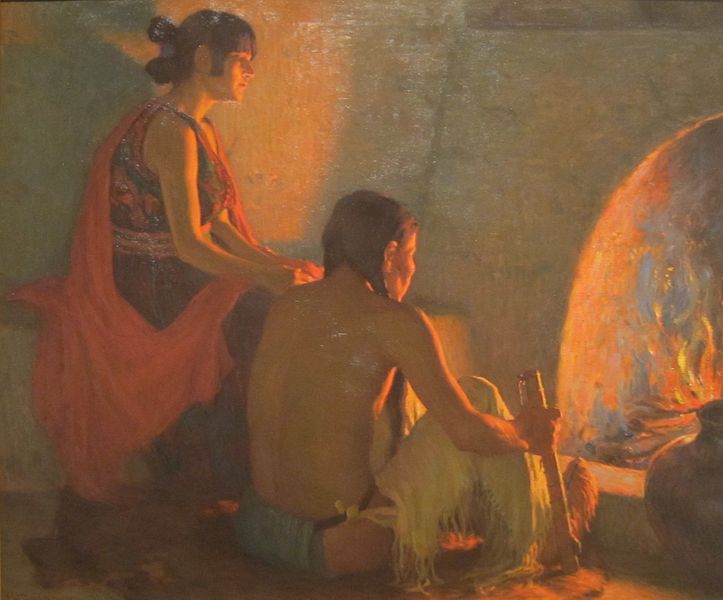
Fireside

Explore Joseph Henry Sharp’s ‘Fireside,’ a richly colored oil painting of intimacy & nature. Capturing Taos Society realism, this work showcases impasto textures & warm tones.

Joseph Henry Sharp (1859-1953) volt a Taos Society of Artists alapító tagja, aki realista amerikai indián portrék és nyugati tájképek alkotója. Theodore Roosevelt feladatkörébe tartozott 200 indián harcos portrét festeni. Művei őrzik az indián kultúra gazdag részleteit.

Vásároljon egy nagy felbontású, javított digitális képet, amely sokkal jobb minőségű, mint az online előnézet.

Minden fájlt szakembereink a legmodernebb eszközök és precíz, kézi retusálás segítségével készítenek el aprólékosan. Gondoskodunk arról, hogy minden kép kivételes tisztasággal, pontos színhelyességgel és részletgazdag finomsággal rendelkezzen.

A végleges fájl 72 órán belül e-mailben megérkezik, professzionális, szerkesztői és nyomtatási környezetbe optimalizálva az azonnali használathoz. Ez ugyanaz a minőség, amelyben a legmeghatározóbb tervezőstúdiók, kiadók és galériák is megbízhatnak.

Digitális alkotás

Töltsön le nagy felbontású fájlt személyes kiállításokhoz, nyomtatáshoz és kreatív projektekhez.

Összesen

$9.99

Minden digitális kép rendeléséhez tartozó extrák

Szakértői digitális kézbesítés, garantáltan

Amikor a WahooArt.com weboldalt választja, nem csupán egy képet kap – professzionálisan felmagasított digitális műalkotást kap, amely precizitással készült, és amelyet megelégsedési gwarancia tesz biztoslássá. Az alábbiakban automatikusan minden benne 】

shipping_icon
Gyors e-mail teslimítés

A nagy felbontású digitális képmásolatát a megrendelést követő 72 órán belül e-mailben elküldjük Önnek – azonnal használható formátumban.

canvas_icon
MI-alapú digitális feldolgozású fájl

Műve professzionális módon kerül optimalizálásra fejlett mesterséges intelligencia eszközök és manuális szerkesztés segítségével, biztosítva a maximális részletességet, tisztaságot és színpontosságot.

insurance_icon
Örök életű ingyenes újradelivery

Véletlenül törölted vagy elvesztetted a fájlodat? Ne aggódj – bármikor ingyenesen újra megküldjük neked.

tax_icon
Nincs importköltség – soha

Élvezze műalkotásait azonnal, vám, illeték vagy szállítási költség nélkül – a digitális letöltések mindig adamentesek.

color_icon
Színpontosság Garancia

Professzionális eszközök és színkezelés segítségével garantáljuk, hogy digitális képe a lehető legpontosabban tükrözze az eredeti színeket.

return_icon
60 napos elégedettségi garancia

Ha nemມີ elégedett a digitális képpel, 60 napon belül átmunkáljuk azt, vagy 100% visszatérítjük az amountot – kérdés nélkül.

guarantee_icon
100% Pénzvisszatérítési garancia

Nem érheted el a teljes elégedettséget? 60 napon belül teljes visszatérítést kapsz a digitális fájlod megérkezése után – kérdés बिना.

discount_icon
Tömegrendelési kedvezmények

Vásároljon 3 képet, spóroljon 10%-et - Vásároljon 5-öt, spóroljon 15%-et - Vásároljon 10+ képet, spóroljon 20%-at. Kiváló kreatív projektekhez, galériákhoz és ügynökségekhez.


Művész életrajza

Joseph Henry Sharp: A Life Dedicated to Capturing the Spirit of the American West

Joseph Henry Sharp, a name synonymous with authentic portrayals of Native American life and landscapes, stands as a pivotal figure in both Western art history and the development of the Taos artistic community. Born in 1859 in Bridgeport, Ohio, to Irish immigrant parents, his early years were marked by both hardship and an unwavering fascination with the cultures beyond his immediate surroundings. A childhood accident resulted in profound hearing loss, a challenge that shaped his life but ultimately seemed to sharpen his visual acuity and deepen his empathetic connection to those he depicted. While conventional schooling proved difficult, Sharp’s innate artistic talent propelled him forward, first through studies at the McMicken School of Design in Cincinnati, then on an extended journey across Europe – Antwerp, Munich, and Paris – where he honed his skills under the tutelage of renowned masters and absorbed the influences of both the Barbizon school and Impressionism. These formative years instilled in him a mastery of realism while simultaneously fostering an appreciation for capturing fleeting moments of light and shadow, techniques that would later define his signature style.

The Western Beckoning: Portraits of a Vanishing World

Sharp’s artistic trajectory took a decisive turn westward, driven by a lifelong fascination with Native American cultures. His initial journeys to the West in the 1880s sparked an enduring commitment to documenting their lives and traditions before they faded into history. Unlike many artists of his time who romanticized or stereotyped Indigenous peoples, Sharp strived for accuracy and dignity in his portrayals. He sought not just to capture physical likenesses but also to convey a sense of individual character and cultural identity. This dedication led to significant commissions, most notably from President Theodore Roosevelt, who tasked him with painting 200 portraits of Native American warriors who survived the Battle of Little Bighorn – a monumental undertaking that underscored Sharp’s reputation and his commitment to preserving this vital historical record. To further immerse himself in the culture he sought to depict, Sharp constructed the "Absarokee Hut" on Crow Agency land in Montana, dedicating years to living amongst the Crow people and meticulously observing their daily lives. This immersive approach allowed him to move beyond superficial representations and create portraits imbued with a profound sense of understanding and respect.

Artistic Influences and Techniques

While Sharp’s subject matter was uniquely his own, his artistic style reflected a blend of European training and American sensibilities. The influence of the Barbizon school is evident in his commitment to realism and his preference for depicting scenes from everyday life. He embraced Impressionism's emphasis on capturing fleeting moments of light and shadow, using broad brushstrokes and a vibrant palette to create a sense of immediacy and atmosphere. His portraits are characterized by their meticulous attention to detail – the intricate beadwork on clothing, the weathered lines etched onto faces, the subtle nuances of expression that reveal individual personalities. Sharp’s ability to render flesh tones with remarkable accuracy was honed during his studies in Munich under Frank Duveneck, a technique he carried with him throughout his career. He skillfully employed direct painting techniques – applying wet paint onto wet surfaces – creating richly layered and fluid compositions that breathed life into his subjects.

Legacy and Recognition: A Founding Father of Taos Art

Joseph Henry Sharp’s contributions to the art world extended far beyond his individual paintings. He is widely recognized as a founding member of the Taos Society of Artists, playing a crucial role in establishing Taos, New Mexico, as a vibrant artistic hub. His early visits to Taos in the 1890s inspired Ernest Blumenschein and Bert Phillips to relocate there, laying the groundwork for the society’s formation. Throughout his long career, Sharp garnered significant recognition from prominent patrons, including industrialist Joseph G. Butler, philanthropist Phoebe Apperson Hearst, and collector Thomas Gilcrease, whose extensive collection of Sharp's work at the Gilcrease Institute provides a comprehensive overview of his artistic journey. His dedication to documenting Native American culture earned him accolades from institutions like the Smithsonian Institution, which recognized his portraits for their ethnographic value. Joseph Henry Sharp passed away in 1953 at the remarkable age of 94, leaving behind a legacy as one of America’s most important and respected Western artists – a man who dedicated his life to capturing the spirit of a vanishing world with unwavering skill and profound empathy.
Joseph Henry Sharp

Joseph Henry Sharp

1859 - 1953 , Egyesült Államok

Rövid tények

  • Elhalálozás Dátuma: 1953. augusztus 29.
  • Influenciált Művészek: ['Frank Duveneck']
  • Jelentős Művek:
    • Apache Camp
    • Blackfoot Girl
    • Főnök Spotted Elk
  • Művészeti Irányzat: Reális ábrázolás
  • Nemzetiség: Amerikai
  • Születési Dátum: 1859. szeptember 27.
  • Születési Hely: Bridgeport, USA
  • Teljes Név: Joseph Henry Sharp