Megtekintés AR előnézet Kézzel festett másolat rendelése Áttérés digitális képre Küldés
Részletek Útmutató Kedvencekhez ad Letöltés Hasonló darabok X-ray felvétel Diavetítés Kérdések és válaszok Letöltés Statisztika

Sunset at Cairo

John Singer Sargent’s "Sunset at Cairo" (1891) captures a tranquil Middle Eastern scene in Impressionistic brushstrokes. Explore this evocative oil painting's light, atmosphere & subtle symbolism.

Fedezze fel John Singer Sargent mesterségeit! Kézzel festett reprodukcióink révítik meg a fényes korszak arcképeit, impresszionista tájakat és a Gilded Age eleganciáját. Nézze meg ikonikus műveit!

Giclée / Műnyomat

Múzeumi minőségű giclée vagy vászonnyomat, gyors gyártással és rugalmas finomítási lehetőségekkel. ( Kézzel festett másolat rendelése Áttérés digitális képre)

Corner sample of the P118B picture frame: formázott polisztirol, 5 cm wide and 3 cm thick
P118B Ft10
Corner sample of the P118H picture frame: formázott polisztirol, 5 cm wide and 3 cm thick
P118H Ft10
Corner sample of the P118W picture frame: formázott polisztirol, 5 cm wide and 3 cm thick
P118W Ft10
Corner sample of the P438Z picture frame: formázott polisztirol, 5.5 cm wide and 3.5 cm thick
P438Z Ft10
Corner sample of the P508JH picture frame: formázott polisztirol, 7 cm wide and 3.5 cm thick
P508JH Ft12
Corner sample of the P508YH picture frame: formázott polisztirol, 7 cm wide and 3.5 cm thick
P508YH Ft12
Corner sample of the P805H picture frame: formázott polisztirol, 5 cm wide and 3.5 cm thick
P805H Ft10
Corner sample of the P805Z picture frame: formázott polisztirol, 5 cm wide and 3.5 cm thick
P805Z Ft10
Corner sample of the P919BZ picture frame: formázott polisztirol, 7 cm wide and 3.5 cm thick
P919BZ Ft10
Corner sample of the P919G picture frame: formázott polisztirol, 7 cm wide and 3.5 cm thick
P919G Ft10
Corner sample of the P919XJ picture frame: formázott polisztirol, 7 cm wide and 3.5 cm thick
P919XJ Ft10
Corner sample of the P959ZH picture frame: formázott polisztirol, 5 cm wide and 3 cm thick
P959ZH Ft10
Corner sample of the P968JZ picture frame: formázott polisztirol, 6 cm wide and 4 cm thick
P968JZ Ft12
Corner sample of the W106C picture frame: tömörfa, 5 cm wide and 3 cm thick
W106C Ft8
Corner sample of the W218G picture frame: tömörfa, 5 cm wide and 3 cm thick
W218G Ft10
Corner sample of the W218JH picture frame: tömörfa, 5 cm wide and 3 cm thick
W218JH Ft8
Corner sample of the W218Y picture frame: tömörfa, 5 cm wide and 3 cm thick
W218Y Ft10
Corner sample of the W307PJ picture frame: tömörfa, 6 cm wide and 3 cm thick
W307PJ Ft10
Corner sample of the W316G picture frame: tömörfa, 6 cm wide and 3 cm thick
W316G Ft10
Corner sample of the W316PJ picture frame: tömörfa, 6 cm wide and 3 cm thick
W316PJ Ft8
Corner sample of the W316Y picture frame: tömörfa, 6 cm wide and 3 cm thick
W316Y Ft10
Corner sample of the W398PJ picture frame: tömörfa, 5 cm wide and 3 cm thick
W398PJ Ft8
Corner sample of the W4111J picture frame: tömörfa, 6.5 cm wide and 3.5 cm thick
W4111J Ft10
Corner sample of the W500HY picture frame: tömörfa, 7 cm wide and 5 cm thick
W500HY Ft15
Corner sample of the W500JH picture frame: tömörfa, 7 cm wide and 5 cm thick
W500JH Ft15
Corner sample of the W692G picture frame: tömörfa, 8 cm wide and 4 cm thick
W692G Ft12
Corner sample of the W849H picture frame: tömörfa, 5 cm wide and 3 cm thick
W849H Ft8
Corner sample of the W940BG picture frame: tömörfa, 7.5 cm wide and 4.5 cm thick
W940BG Ft15
Corner sample of the W953PJ picture frame: tömörfa, 6 cm wide and 3.5 cm thick
W953PJ Ft8

Standard méret
egyedi méretű
CM
INCH

Válasszon előre meghatározott méreteink közül, amelyek megfelelnek a műalkotás eredeti arányainak.

szélesség
magasság

Írja be a keretének vagy a falának megfelelő szélességet és magasságot. A nyomatot csak le lehet vágni, soha nem tehető nagyobbá, mint az eredeti kép, így egy eltérő alakú méretnél a kép egy része elveszik. Mielőtt bármit kinyatintanánk, küldünk egy digitális próbamodellt jóváhagyásra. Az oldalon látható kép nem tartalmazza a valós levágást — ezt csak a próbamodell mutatja meg.

Világszerte történő kiszállítás területére mindössze 2 hét alatt, a szokásos 4-5 hét helyett. (8 november)

Ingyenes globális expressz szállítás
Prémium minőségű len vászon
Teljes körű szállítási biztosítás
Vámvisszatérítési Garancia
Hiteles színarányosság garancia
100 napos visszaküldési lehetőség (csak hibás termékek esetén)
100% pénzvisszatérítési garancia
Több darab vásárlásakor kedvezmény

Összesített ár

Ft 22502

Sunset at Cairo

Giclée / Műnyomat

Reprodukció mérete

-

Összesített ár

Ft 22502

Gyors információk

  • Medium: Oil on canvas
  • Notable elements: Loose brushwork, light
  • Year: 1891
  • Title: Sunset at Cairo
  • Subject or theme: Rural life, solitude

A Moment of Tranquility: John Singer Sargent’s *Sunset at Cairo*

John Singer Sargent's Sunset at Cairo, painted in 1891, is more than just a depiction of two men strolling through a desert landscape; it’s an exquisitely rendered meditation on light, solitude, and the evocative power of twilight. Created during a period of immense artistic exploration – Sargent was rapidly establishing himself as a leading portraitist within European high society – this work reveals a shift in his style towards Impressionistic sensibilities, a move that would profoundly influence his later oeuvre. The scene unfolds with a quiet grace, capturing a fleeting moment of serenity against the backdrop of a warm, almost ethereal sunset. The figures, rendered with loose brushstrokes and subtle gradations of color, are not sharply defined but rather imbued with an atmospheric quality, suggesting a sense of detachment and contemplation.

Impressionistic Techniques and Material Choices

Sargent’s technique in Sunset at Cairo is characterized by a masterful layering of oil paints, building up color and form through visible brushstrokes. This approach, typical of the Impressionist movement, prioritizes capturing the transient effects of light and atmosphere over meticulous detail. The canvas itself likely bears witness to this process – the texture created through the application of paint speaks volumes about Sargent’s deliberate control and expressive freedom. The choice of oil paints allowed for a rich palette and blending capabilities, essential in achieving the luminous quality of the sunset and the subtle variations in tone across the landscape. The use of canvas as the support further contributes to the painting's overall texture and depth.

Symbolism and Emotional Resonance

The composition of Sunset at Cairo is laden with symbolic weight. The figures, walking together yet seemingly lost in their own thoughts, evoke a sense of solitude and introspection – themes frequently explored by Sargent throughout his career. The warm hues of the sunset, radiating outwards from the horizon, symbolize hope, transition, and perhaps even mortality. The distant buildings and palm trees, silhouetted against the light, add to the painting’s mystery and create a feeling of being on the edge of something vast and unknown. The scene's quietness invites the viewer to contemplate their own place within the grand scheme of things, mirroring the artist's own fascination with human emotion and experience.

Historical Context and Artistic Influence

Painted in 1891, *Sunset at Cairo* reflects Sargent’s growing interest in capturing landscapes rather than solely focusing on portraiture. This shift aligns with broader artistic trends of the late 19th century, where Impressionism was gaining momentum and challenging traditional academic styles. Sargent's exploration of light and atmosphere, influenced by artists like Claude Monet and Pierre-Auguste Renoir, demonstrates his willingness to experiment and push the boundaries of artistic expression. The painting’s evocative quality and masterful use of color have secured its place as a significant work within Sargent’s body of work, offering a poignant glimpse into the artist's evolving vision and profound understanding of human emotion.

Kérdések és válaszok

Milyen technika és stílus jellemzi a(z) „Sunset at Cairo”, John Singer Sargent alkotása alkotást?

A "Sunset at Cairo" alkotásban a Oil On Canvas technika találkozik a Impressionism irányzattal.

Menny amountnyi fényt tűnik úgy vissza a "Sunset at Cairo" színei?

A „Sunset at Cairo”, John Singer Sargent alkotása alkotás Gentle Luminance fényerőséggel rendelkezik. A fényerő azt mutatja meg, hogy a színek mennyire tűnnek visszafényesnek.

A "Sunset at Cairo" jellemző arra, amit John Singer Sargent általában alkotott?

A "Sunset at Cairo" a sunset landscape, middle eastern scene, dusty path”, “palm trees silhouette”, “twilight atmosphere”, “figure painting”, “travel art” ábrázol, míg John Singer Sargent dokumentált témái a impressionist light & color, mediterranean atmosphere", "travel, exploration themes", sargent's landscape focus, orientalism influence, quiet contemplation, early 1890s work. A kettő összevetése megmutatja, hogyan kapcsolódik ez a mű a művész megszokott motívumaihoz.

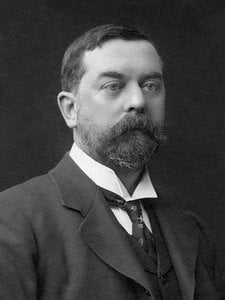
A művész életrajza

A Life Immersed in Light and Society

John Singer Sargent, a name synonymous with the Gilded Age and its shimmering portraits of elegance, was an American artist who spent most of his life cultivating his craft within the European art world. Born in Florence, Italy, in 1856 to American expatriate parents, Fitzwilliam and Mary Newbold Sargent, his upbringing was anything but conventional. The family’s nomadic existence – constantly traversing France, Germany, Italy, and Switzerland – instilled in young John a cosmopolitan sensibility and an early exposure to the artistic treasures of Europe. Rather than formal schooling, his education unfolded within museum halls and ancient churches, fostering a visual literacy that would profoundly shape his artistic vision. This itinerant childhood, while lacking traditional structure, provided a rich tapestry of cultural experiences that fueled his developing talent. His father, a surgeon, and his mother, an amateur artist, encouraged his inclinations, recognizing early on the remarkable acuity of his observational skills. It was clear from a young age that John’s path lay not in medicine or conventional pursuits, but within the realm of art.

From Parisian Atelier to Portrait Master

In 1874, at the age of eighteen, Sargent embarked on a pivotal chapter of his artistic development by entering the Paris studio of Carolus-Duran. This mentorship proved transformative. Duran’s emphasis on *direct painting* – a technique eschewing preliminary sketches in favor of immediate application of paint to canvas – honed Sargent's already impressive technical facility and instilled within him an astonishing ability to capture likenesses with speed and precision. It was a revolutionary approach, encouraging boldness and spontaneity, and it became the hallmark of Sargent’s style. He absorbed Duran’s lessons wholeheartedly, mastering the art of capturing not just physical resemblance but also the very essence of his sitters. Simultaneously, he enrolled at the École des Beaux-Arts, further refining his skills in drawing from casts and life models. However, it was the influence of Spanish masters like Velázquez, encountered during a formative trip to Spain in 1879, that truly ignited Sargent’s artistic imagination. He became captivated by Velázquez’s masterful use of light, brushwork, and psychological insight – qualities he would strive to emulate throughout his career.

Navigating Fame, Scandal, and Artistic Evolution

Sargent quickly established himself as a sought-after portraitist in Paris, attracting commissions from the city’s elite. His ability to capture not just physical likeness but also the personality and social standing of his subjects made him immensely popular. However, his ascent was not without its challenges. The unveiling of *Madame X* (Portrait of Madame Pierre Gautreau) at the 1884 Salon ignited a scandal that threatened to derail his burgeoning career. The painting’s daring depiction of socialite Virginie Amélie Avegno Gautreau – with her pale complexion, suggestive pose, and fallen strap – was deemed provocative and scandalous by Parisian society. Though Sargent later repainted the strap, the damage was done. Disheartened by the controversy, he relocated to London in 1886, where he found a more receptive audience for his talents. In London, he continued to paint portraits of the wealthy and prominent, capturing the opulence and social dynamics of Edwardian society with unparalleled skill. Yet, Sargent’s artistic ambitions extended beyond the confines of commissioned portraiture. He yearned for greater creative freedom and increasingly devoted himself to landscape painting and plein-air studies, embracing an Impressionistic style characterized by loose brushwork, vibrant colors, and a focus on capturing fleeting moments of light and atmosphere. These landscapes reveal a different side of Sargent – one less concerned with social status and more attuned to the beauty of the natural world.

Influences and Artistic Kinships

  • Carolus-Duran: His teacher, who instilled in him a direct painting technique and encouraged spontaneity.
  • Diego Velázquez: Sargent deeply admired Velázquez’s mastery of light, brushwork, and psychological insight, particularly evident in his Spanish works.
  • Impressionism: The Impressionists' emphasis on capturing fleeting moments and atmospheric effects profoundly impacted his landscape paintings, leading to a looser, more expressive style.
  • James Abbott McNeill Whistler: Sargent shared with Whistler an interest in aestheticism and the pursuit of “art for art’s sake,” influencing his approach to composition and color.

A Lasting Legacy

While celebrated as “the leading portrait painter of his generation,” John Singer Sargent’s artistic legacy extends far beyond his masterful depictions of society figures. His major works, such as *El Jaleo*, a dynamic portrayal of Spanish flamenco dancers, and *Carnation, Lily, Lily, Rose*, a serene depiction of two young girls in an English garden, demonstrate his versatility and technical brilliance. Later in life, he embarked on ambitious mural projects, including the monumental cycle at the Boston Public Library, showcasing his ability to translate his artistic vision onto a grand scale. His influence can be seen in the work of subsequent generations of artists who admired his technical skill, his bold brushwork, and his ability to capture both physical likeness and psychological depth. The rediscovery of his previously overlooked male nudes in the 1980s further broadened our understanding of Sargent’s artistic range and revealed a more complex and nuanced artist than previously recognized. *His paintings continue to captivate audiences worldwide*, offering a fascinating glimpse into a bygone era while simultaneously transcending time through their enduring beauty and technical mastery. He remains, undeniably, one of the most significant American artists of his generation, whose work continues to inspire and provoke admiration.
John Singer Sargent

John Singer Sargent

1856 - 1925 , Olaszország

Rövid információk

  • Artistic Movement Or Style: Impressionista
  • Artists Or Movements Influenced By This Artist:
    • Whistler
    • Impressionisták
  • Artists Who Influenced This Artist:
    • Carolus-Duran
    • Velázquez
  • Date Of Birth: 1856. jan 12.
  • Date Of Death: 1925. ápr 15.
  • Full Name: John Singer Sargent
  • Nationality: Amerikai
  • Notable Artworks:
    • Madame X
    • El Jaleo
    • Carnation Lily Lily Rose
  • Place Of Birth: Firenze, Olaszország
Fedezze fel a műalkotásokat témák, stílusok és jellemzők szerint csoportosítva.