


Kézzel festett olajvastú vászon, az Ön által választott méretben és keretben, művészeink készítik meglévőre. ( Nyomat rendelése Kép letöltése)





























Válasszon előre meghatározott méreteink közül, amelyek megfelelnek a műalkotás eredeti arányainak.

Ön megadhat saját méreteket egy adott kerethez vagy térhez igazításhoz. Ha a kiválasztott méret nem egyezik az eredeti kép arányával, akkor a műalkotást levágjuk, vagy további kézzel festett elemekkel meghosszabbítjuk a festményt. A gyártás megkezdése előtt küldünk Önnek egy digitális előnézetet jóváhagyásra.
Kérjük, vegye figyelembe, hogy a képernyőn megjelenő előnézet nem tükrözi a tényleges vágást vagy kiterjesztést. Csak az előnézet fog pontosan mutatni a végső kompozíciót.
Bár egyedi méretek állnak rendelkezésre, javasoljuk, hogy válasszon egy méretet az előre meghatározott listából az eredeti arányok megőrzése érdekében.
Világszerte elérhető szállítás () 3-4 hét alatt a szokásos 5 hét helyett. (7 szeptember). A minőség nem kérdőjelezhető.


rosina
Reprodukció mérete
John Singer Sargent’s “Rosina” is more than just a portrait; it's a meticulously crafted evocation of the Gilded Age, capturing a moment of poised elegance and quiet contemplation. Painted in approximately 1880-1886, during his most prolific period, this work exemplifies Sargent’s mastery of light, color, and psychological observation – qualities that cemented his reputation as one of the era's foremost portraitists. The subject, identified as Mrs. Henry Purcells, is presented with a remarkable sense of naturalism, yet imbued with an aristocratic bearing that speaks to the social standing she represented.
Sargent was renowned for his ability to capture the effects of light with astonishing accuracy, and “Rosina” is a prime example. He masterfully utilizes reflected light to sculpt Rosina's form, creating an illusion of three-dimensionality that transcends the limitations of the two-dimensional canvas. The soft, diffused light suggests an interior setting – perhaps a drawing room or salon – contributing to the painting’s overall sense of intimacy and refinement. The subtle shifts in color—the creamy whites of her dress contrasted with the darker tones of her hair and background—further enhance the depth and complexity of the image.
"Rosina" is firmly rooted in the context of late 19th-century society, a period defined by immense wealth, social stratification, and a burgeoning interest in art and culture. Sargent’s portraits were not merely representations of individuals; they were carefully constructed statements about status, taste, and identity. The inclusion of seemingly minor details – such as the handbag or the birds – adds layers of meaning to the image, inviting viewers to consider Rosina's role within this complex social landscape.
Ultimately, “Rosina” transcends its historical context to offer a timeless meditation on beauty, grace, and human connection. Rosina’s direct gaze and composed demeanor evoke a sense of quiet dignity and self-assurance. Sargent's ability to capture not just the physical likeness of his subject but also her inner character is what makes this portrait so enduringly captivating. It remains a testament to Sargent’s artistic genius and a significant work within the canon of American art.


1856 - 1925 , Olaszország

Discover the breathtaking elegance of John Singer Sargent's masterpieces. From iconic Gilded Age portraits to impressionistic landscapes, explore the technical brilliance and timeless allure of this American master through our premium, hand-painted fine art reproductions.
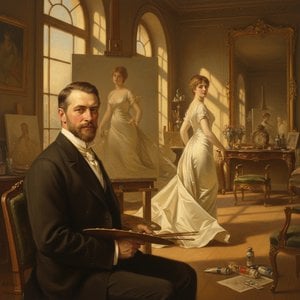
Discover the luminous mastery of John Singer Sargent. Explore an expert analysis of his legendary light, Gilded Age elegance, and technical brilliance, perfect for fine art enthusiasts seeking to bring timeless classical beauty into their modern collections.

 Megtekintés
 Küldés
 Megosztás
 Részletek

 Letöltés
 Hasonló darabok
 X-ray felvétel
 Diavetítés

 Összes részlet megjelenítése







 Az üvegkeretes opció csak 110 cm alatti méretben érhető el


