WatercolorWallArtImpressionism
 188319th Century
 35.0 x 24.0 cm
Kézzel festett olajvastú vászon, az Ön által választott méretben és keretben, művészeink készítik meglévőre. ( Nyomat rendelése Kép letöltése)





























Válasszon előre meghatározott méreteink közül, amelyek megfelelnek a műalkotás eredeti arányainak.

Ön megadhat saját méreteket egy adott kerethez vagy térhez igazításhoz. Ha a kiválasztott méret nem egyezik az eredeti kép arányával, akkor a műalkotást levágjuk, vagy további kézzel festett elemekkel meghosszabbítjuk a festményt. A gyártás megkezdése előtt küldünk Önnek egy digitális előnézetet jóváhagyásra.
Kérjük, vegye figyelembe, hogy a képernyőn megjelenő előnézet nem tükrözi a tényleges vágást vagy kiterjesztést. Csak az előnézet fog pontosan mutatni a végső kompozíciót.
Bár egyedi méretek állnak rendelkezésre, javasoljuk, hogy válasszon egy méretet az előre meghatározott listából az eredeti arányok megőrzése érdekében.
Világszerte elérhető szállítás () 3-4 hét alatt a szokásos 5 hét helyett. (7 szeptember). A minőség nem kérdőjelezhető.


Madame Gautreau
Reprodukció mérete
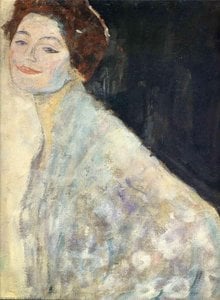
The painting Madame Gautreau by John Singer Sargent, created in 1883, is a captivating example of Impressionist portraiture. Measuring 35 x 24 cm, this watercolour masterpiece offers a glimpse into the world of Parisian high society and showcases Sargent’s remarkable ability to capture both physical likeness and psychological depth.
Sargent's composition in Madame Gautreau is characterized by a refined elegance and intimate atmosphere. Madame Gautreau sits gracefully in a chair, her hands delicately folded, exuding an air of poise and sophistication. The background subtly incorporates elements like a couch and piano, adding depth to the scene without distracting from the central figure. Sargent’s masterful use of watercolour lends the painting a soft, ethereal quality, typical of Impressionist techniques. He employed loose brushstrokes and translucent washes of colour to create a sense of movement and light, capturing the fleeting essence of his subject rather than striving for photographic realism.
Madame Gautreau herself was a figure of considerable notoriety in Parisian society. Born in New Orleans, she became known as “La Belle Americaine” for her striking beauty and unconventional style. She cultivated an image of refined elegance, often seen adorned with elaborate gowns and jewelry. Sargent’s portrait aimed to capture this carefully constructed persona, but it also hinted at a more complex personality beneath the surface. The painting sparked controversy upon its debut at the Paris Salon in 1884 due to what some considered an overly revealing gown and a provocative pose. This scandal briefly overshadowed Sargent's rising reputation, though ultimately contributed to the work’s enduring fame.
John Singer Sargent (1856-1925) was an American artist who spent much of his career in Europe. He received formal training in Paris under Carolus-Duran, a prominent portraitist who emphasized direct observation and bold brushwork. Sargent’s style reflects the influence of European art movements, particularly Impressionism, while retaining a distinctive personal flair. His work can be found in prestigious museums worldwide, including the Currier Museum of Art in Manchester, New Hampshire, alongside works by masters like Picasso, Matisse, and Monet. Sargent’s ability to capture the essence of his subjects with a few deft strokes established him as one of the leading portrait painters of his generation.
Beyond its aesthetic beauty, Madame Gautreau evokes a range of emotions and invites contemplation. The painting’s muted colour palette and introspective pose create a sense of quiet melancholy or perhaps even vulnerability beneath the veneer of social elegance. Sargent's portrayal transcends a mere likeness; it offers a glimpse into the complexities of identity, beauty, and societal expectations in late 19th-century Paris. The work remains a powerful testament to Sargent’s skill as an artist and his ability to capture not just what he saw, but also what he felt.


1856 - 1925 , Olaszország

Discover the breathtaking elegance of John Singer Sargent's masterpieces. From iconic Gilded Age portraits to impressionistic landscapes, explore the technical brilliance and timeless allure of this American master through our premium, hand-painted fine art reproductions.

Discover the ethereal beauty of watercolor through an art-historical lens. Master the delicate balance of light, fluidity, and pigment to capture the luminous essence of nature, inspired by the legendary techniques of the Old Masters and Impressionist greats.
Discover the luminous mastery of John Singer Sargent. Explore an expert analysis of his legendary light, Gilded Age elegance, and technical brilliance, perfect for fine art enthusiasts seeking to bring timeless classical beauty into their modern collections.

Discover the ethereal beauty of premium watercolor reproductions and bespoke commissions at WahooArt. From museum-quality landscapes to custom AI-enhanced portraits, our master artists deliver unparalleled craftsmanship and white-glove service for discerning collectors worldwide.

 Megtekintés
 Küldés
 Megosztás
 Részletek

 Letöltés
 Hasonló darabok
 X-ray felvétel
 Diavetítés
 Összes részlet megjelenítése







 Az üvegkeretes opció csak 110 cm alatti méretben érhető el