Megtekintés Műalkotás AR előnézete Áttérés Nyomtatványra Kézzel festett másolat rendelése Küldés
Részletek Kedvencekhez ad Letöltés Hasonló darabok X-ray felvétel Diavetítés Statisztika

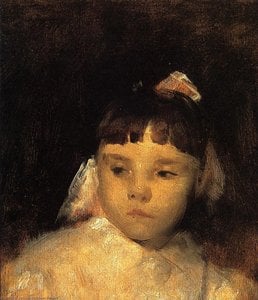
Flora Priestley (Lamplight Study)

John Singer Sargent művészettörténeti alkotása, mely egy nyugodt nő arcképét mutatja fény és árnyék játékával. Fedezd fel ezt a lenyűgöző művédet itt!

Fedezze fel John Singer Sargent mesterségeit! Kézzel festett reprodukcióink révítik meg a fényes korszak arcképeit, impresszionista tájakat és a Gilded Age eleganciáját. Nézze meg ikonikus műveit!

Vásároljon nagy felbontású, javított digitális képet, amely minőségében messze felülmúlja az online előnézetet.

Minden fájlt szakembereink a legmodernebb eszközök és precíz, kézi retusálás segítségével készítenek el aprólékosan. Gondoskodunk arról, hogy minden kép kivételes tisztasággal, pontos színhelyességgel és részletgazdag finomsággal rendelkezzen.

A végleges fájl 72 órán belül e-mailben megérkezik, professzionális, szerkesztői és nyomtatási környezetbe optimalizálva az azonnali használathoz. Ez ugyanaz a minőség, amelyben a legmeghatározóbb tervezőstúdiók, kiadók és galériák is megbízhatnak.

Digitális kép

Töltsön le nagy felbontású fájlt személyes kiállításokhoz, nyomtatáshoz és kreatív projektekhez. ( Áttérés Nyomtatványra Kézzel festett másolat rendelése)

Összesített ár

$ 24,90

Minden digitális kép rendeléséhez tartozó extrák

Szakértői digitális kézbesítés, garantáltan

Amikor a WahooArt.com szolgáltatást választja, nem csupán egy képet kap – professzionálisan felmagasított digitális műalkotást kap, amely precizitással készült, és amelyet megelégsedési gwarancia tesz biztoslássá. Az alábbiakban automatikusan minden benne 】

shipping_icon
Gyors e-mail teslimítés

A nagy felbontású digitális képmásolatát a megrendelést követő 72 órán belül e-mailben elküldjük Önnek – azonnal használható formátumban.

canvas_icon
MI-alapú digitális fejlesztésű fájl

Műve professzionális módon kerül optimalizálásra fejlett mesterséges intelligencia eszközök és manuális szerkesztés segítségével, biztosítva a maximális részletességet, tisztaságot és színpontosságot.

insurance_icon
Örök életű ingyenes újradelivery

Véletlenül törölted vagy elvesztetted a fájlodat? Ne aggódj – bármikor ingyen újra megküldjük neked.

tax_icon
Nincs importköltség – soha

Élvezze műalkotásait azonnal, vám, illeték vagy szállítási költség nélkül – a digitális letöltések mindig adamentesek.

color_icon
Színpontosság garantálása

Professzionális eszközök és színkezelés segítségével garantáljuk, hogy digitális képe a lehető legpontosabban tükrözze az eredeti színeket.

return_icon
100 napos elégedettségi garancia

Ha nemມີ elégedett a digitális képével, 100 napon belül felülvizsgáljuk vagy 100% visszatérítjük az amountot – kérdés बिना.

guarantee_icon
100% Pénzvisszatérítési garancia

Nem tetszett a vásárlás? 100 napon belül teljes visszatérítést garantálunk a digitális fájl megvételétől számítva – kérdés बिना.

discount_icon
Tömegrendelési kedvezmények

Vásároljon 3 képet, spóroljon 10%-et - Vásároljon 5-öt, spóroljon 15%-et - Vásároljon 10+ képet, spóroljon 20%-at. Kiváló kreatív projektekhez, galériákhoz és ügynökségekhez.

Gyors információk

  • Medium: Oil on canvas
  • Notable elements or techniques:
    • Lamplight effect
    • Subtle expressions
  • Artistic style: Realism with Impressionistic touch
  • Location: Parrish Art Museum
  • Influences: Carolus-Duran
  • Year: 1889
  • Title: Flora Priestley (Lamplight Study)

Művészeti kvíz

Minden kérdésre csak egy helyes válasz létezik.

Kérdés 1:
What is the alternate title of John Singer Sargent’s ‘Flora Priestley’?
Kérdés 2:
In what year was 'Flora Priestley (also known as Lamplight Study)' created?
Kérdés 3:
Where is ‘Flora Priestley (also known as Lamplight Study)’ currently housed?
Kérdés 4:
What artistic technique is prominently used in 'Flora Priestley (also known as Lamplight Study)' to create a sense of warmth and intimacy?
Kérdés 5:
What is the overall impression of the artwork’s style?

Flora Priestley (Lamplight Study): A Portrait of Serene Introspection

John Singer Sargent’s ‘Flora Priestley’, painted in 1889, stands as a testament to his unparalleled ability to distill emotion into visual form. Currently housed within the Parrish Art Museum in Water Mill, New York, this unassuming canvas – measuring just 45 x 30 cm – belies its profound impact on viewers captivated by Sargent’s masterful manipulation of light and shadow. It's more than simply a depiction; it’s an invitation into a moment frozen in time, reflecting the artist’s deep understanding of human psychology.

An Exploration of Light and Atmosphere

The painting centers around Flora Priestley herself, positioned with her eyes gently closed – a gesture that speaks volumes about inner contemplation or peaceful repose. Sargent skillfully employs chiaroscuro, a technique borrowed from Caravaggio, creating dramatic contrasts between illumination and darkness. This masterful use of light isn’t merely decorative; it sculpts the figure's face and torso, highlighting delicate contours and conveying an exquisite sense of volume. Notice how the soft glow emanating from the lamplight illuminates Flora’s features, casting subtle shadows that deepen the impression of serenity. The muted palette – dominated by warm browns and creams – contributes to a feeling of intimacy and tranquility, transporting the viewer directly into the scene's tranquil atmosphere.

John Singer Sargent: The Maestro of Portraiture

Born in Florence, Italy, to American parents, John Singer Sargent received an exceptional artistic education fostered by exposure to European museums and churches rather than formal schooling. This itinerant upbringing instilled a cosmopolitan sensibility that profoundly shaped his artistic vision. His father’s medical practice provided financial stability while nurturing his son's passion for art – a combination that proved crucial in establishing Sargent as one of the most celebrated portraitists of his era. Sargent’s technique moved beyond mere representation; he sought to capture not just what was seen but also what was felt, achieving remarkable psychological depth within each canvas. As evidenced by ‘Flora Priestley’, he achieved this feat through meticulous observation and a profound understanding of human expression.

Symbolism Within the Frame

Beyond its technical brilliance, 'Flora Priestley' resonates with symbolic significance. The closed eyes represent introspection and perhaps vulnerability – an acknowledgement of inner thoughts and emotions hidden beneath the surface. They invite contemplation on themes of stillness, peace, and solitude. Furthermore, the subtle inclusion of two figures glimpsed in the background adds another layer to the narrative. These shadowy forms suggest a domestic setting, hinting at a life lived within private spaces and reinforcing the painting’s overarching mood of quiet intimacy. Sargent deliberately avoids distracting from Flora's central presence, prioritizing her emotional state above all else.

A Legacy of Impressionistic Elegance

‘Flora Priestley’ exemplifies Sargent’s signature style – an elegant blend of realism and impressionism. Loose brushstrokes convey immediacy and dynamism while simultaneously capturing the texture of skin and fabric with remarkable accuracy. The artist's masterful blending of colors creates a luminous surface that mimics the effects of natural light, mirroring the painting's ethereal quality. This artwork remains a cornerstone of Sargent’s oeuvre, demonstrating his unwavering commitment to portraying human emotion with sensitivity and artistry—a legacy that continues to inspire admiration and appreciation today.

A művész életrajza

A Life Immersed in Light and Society

John Singer Sargent, a name synonymous with the Gilded Age and its shimmering portraits of elegance, was an American artist who spent most of his life cultivating his craft within the European art world. Born in Florence, Italy, in 1856 to American expatriate parents, Fitzwilliam and Mary Newbold Sargent, his upbringing was anything but conventional. The family’s nomadic existence – constantly traversing France, Germany, Italy, and Switzerland – instilled in young John a cosmopolitan sensibility and an early exposure to the artistic treasures of Europe. Rather than formal schooling, his education unfolded within museum halls and ancient churches, fostering a visual literacy that would profoundly shape his artistic vision. This itinerant childhood, while lacking traditional structure, provided a rich tapestry of cultural experiences that fueled his developing talent. His father, a surgeon, and his mother, an amateur artist, encouraged his inclinations, recognizing early on the remarkable acuity of his observational skills. It was clear from a young age that John’s path lay not in medicine or conventional pursuits, but within the realm of art.

From Parisian Atelier to Portrait Master

In 1874, at the age of eighteen, Sargent embarked on a pivotal chapter of his artistic development by entering the Paris studio of Carolus-Duran. This mentorship proved transformative. Duran’s emphasis on *direct painting* – a technique eschewing preliminary sketches in favor of immediate application of paint to canvas – honed Sargent's already impressive technical facility and instilled within him an astonishing ability to capture likenesses with speed and precision. It was a revolutionary approach, encouraging boldness and spontaneity, and it became the hallmark of Sargent’s style. He absorbed Duran’s lessons wholeheartedly, mastering the art of capturing not just physical resemblance but also the very essence of his sitters. Simultaneously, he enrolled at the École des Beaux-Arts, further refining his skills in drawing from casts and life models. However, it was the influence of Spanish masters like Velázquez, encountered during a formative trip to Spain in 1879, that truly ignited Sargent’s artistic imagination. He became captivated by Velázquez’s masterful use of light, brushwork, and psychological insight – qualities he would strive to emulate throughout his career.

Navigating Fame, Scandal, and Artistic Evolution

Sargent quickly established himself as a sought-after portraitist in Paris, attracting commissions from the city’s elite. His ability to capture not just physical likeness but also the personality and social standing of his subjects made him immensely popular. However, his ascent was not without its challenges. The unveiling of *Madame X* (Portrait of Madame Pierre Gautreau) at the 1884 Salon ignited a scandal that threatened to derail his burgeoning career. The painting’s daring depiction of socialite Virginie Amélie Avegno Gautreau – with her pale complexion, suggestive pose, and fallen strap – was deemed provocative and scandalous by Parisian society. Though Sargent later repainted the strap, the damage was done. Disheartened by the controversy, he relocated to London in 1886, where he found a more receptive audience for his talents. In London, he continued to paint portraits of the wealthy and prominent, capturing the opulence and social dynamics of Edwardian society with unparalleled skill. Yet, Sargent’s artistic ambitions extended beyond the confines of commissioned portraiture. He yearned for greater creative freedom and increasingly devoted himself to landscape painting and plein-air studies, embracing an Impressionistic style characterized by loose brushwork, vibrant colors, and a focus on capturing fleeting moments of light and atmosphere. These landscapes reveal a different side of Sargent – one less concerned with social status and more attuned to the beauty of the natural world.

Influences and Artistic Kinships

  • Carolus-Duran: His teacher, who instilled in him a direct painting technique and encouraged spontaneity.
  • Diego Velázquez: Sargent deeply admired Velázquez’s mastery of light, brushwork, and psychological insight, particularly evident in his Spanish works.
  • Impressionism: The Impressionists' emphasis on capturing fleeting moments and atmospheric effects profoundly impacted his landscape paintings, leading to a looser, more expressive style.
  • James Abbott McNeill Whistler: Sargent shared with Whistler an interest in aestheticism and the pursuit of “art for art’s sake,” influencing his approach to composition and color.

A Lasting Legacy

While celebrated as “the leading portrait painter of his generation,” John Singer Sargent’s artistic legacy extends far beyond his masterful depictions of society figures. His major works, such as *El Jaleo*, a dynamic portrayal of Spanish flamenco dancers, and *Carnation, Lily, Lily, Rose*, a serene depiction of two young girls in an English garden, demonstrate his versatility and technical brilliance. Later in life, he embarked on ambitious mural projects, including the monumental cycle at the Boston Public Library, showcasing his ability to translate his artistic vision onto a grand scale. His influence can be seen in the work of subsequent generations of artists who admired his technical skill, his bold brushwork, and his ability to capture both physical likeness and psychological depth. The rediscovery of his previously overlooked male nudes in the 1980s further broadened our understanding of Sargent’s artistic range and revealed a more complex and nuanced artist than previously recognized. *His paintings continue to captivate audiences worldwide*, offering a fascinating glimpse into a bygone era while simultaneously transcending time through their enduring beauty and technical mastery. He remains, undeniably, one of the most significant American artists of his generation, whose work continues to inspire and provoke admiration.

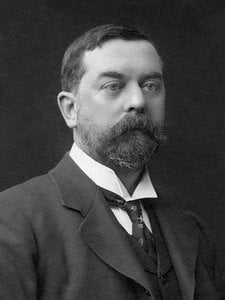
John Singer Sargent

John Singer Sargent

1856 - 1925 , Olaszország

Érdekességek

  • Artistic Movement Or Style: Impressionista
  • Artists Or Movements Influenced By This Artist:
    • Whistler
    • Impressionisták
  • Artists Who Influenced This Artist:
    • Carolus-Duran
    • Velázquez
  • Date Of Birth: 1856. jan 12.
  • Date Of Death: 1925. ápr 15.
  • Full Name: John Singer Sargent
  • Nationality: Amerikai
  • Notable Artworks:
    • Madame X
    • El Jaleo
    • Carnation Lily Lily Rose
  • Place Of Birth: Firenze, Olaszország