

Múzeumi minőségű giclée vagy vászonnyomat, gyors gyártással és rugalmas finomítási lehetőségekkel. ( Kézzel festett másolat rendelése Áttérés digitális képre)





























Válasszon előre meghatározott méreteink közül, amelyek megfelelnek a műalkotás eredeti arányainak.

Írja be a keretének vagy a falának megfelelő szélességet és magasságot. A nyomatot csak le lehet vágni, soha nem tehető nagyobbá, mint az eredeti kép, így egy eltérő alakú méretnél a kép egy része elveszik. Mielőtt bármit kinyatintanánk, küldünk egy digitális próbamodellt jóváhagyásra. Az oldalon látható kép nem tartalmazza a valós levágást — ezt csak a próbamodell mutatja meg.
Világszerte történő kiszállítás területére mindössze 2 hét alatt, a szokásos 4-5 hét helyett. (9 november)
A Bedouin Arab
Reprodukció mérete
John Singer Sargent's 1891 painting, “A Bedouin Arab,” is more than just a depiction of an individual; it’s a carefully constructed tableau brimming with the cosmopolitan sensibilities that defined the artist’s career and the anxieties of the late Victorian era. The subject, a Bedouin man rendered in meticulous detail, embodies a potent blend of exoticism and quiet strength. His posture – head tilted slightly, gaze fixed on some unseen point beyond the canvas – immediately draws the viewer into his world, inviting speculation about his thoughts and experiences.
Sargent’s technique is immediately recognizable: a masterful command of light and color that creates an almost palpable sense of texture. He employs loose, visible brushstrokes, particularly in the rendering of the Bedouin's robe and turban, suggesting both the weight of the fabric and the heat of the desert sun. The subtle gradations of tone – from the deep shadows clinging to the man’s face to the highlights catching on his turban – contribute significantly to the painting’s three-dimensionality. Notice how he uses broken color—small dabs of pigment rather than smooth blends—to build up the form, creating a shimmering effect that is characteristic of Sargent's style.
"A Bedouin Arab" was painted during a period of intense European fascination with the Orient, fueled by colonial expansion and burgeoning trade routes. The Bedouin figure represents more than just an ethnic group; he embodies the romanticized notion of the “noble savage,” a trope frequently explored in art and literature of the time. The inclusion of the two secondary figures – one to the left and another further back on the right – adds a layer of narrative ambiguity, perhaps suggesting a tribal gathering or a moment of quiet contemplation within a larger community. The patterned wall behind the subject serves not just as a backdrop but also as a visual echo of the Bedouin’s environment, reinforcing the painting's thematic concerns.
Sargent’s “A Bedouin Arab” possesses a quiet intensity that continues to resonate with viewers today. The subject's determined gaze, combined with the painting’s evocative atmosphere, invites us to contemplate themes of identity, resilience, and the enduring human connection to the natural world. This work exemplifies Sargent’s ability to capture not just physical likeness but also the inner character of his subjects – a skill that cemented his place as one of the most celebrated portrait painters of the Gilded Age. A hand-painted reproduction offers an unparalleled opportunity to experience the full impact of this remarkable artwork, bringing its beauty and complexity into your home or studio.
Történelmileg a "A Bedouin Arab" a szélesebb körű 19th Century korszak Academic Realism alkotása.
Elérhető egy diaváltó: a Diaváltás oldala a(z) „A Bedouin Arab”, John Singer Sargent alkotása alkotáshoz.
A „A Bedouin Arab”, John Singer Sargent alkotása Útmutató oldala egy kinyomtatható, kétoldalas információs adatlapot kínál: magát a műalkotást az azonosító táblázattal, egy időrendi sávot, amely a művész életkorába helyezi a alkotást, a művész további treballatait, a megmért színpalettát, valamint négy különböző stílusban, azonnal másolható idézeteket.


1856 - 1925 , Olaszország
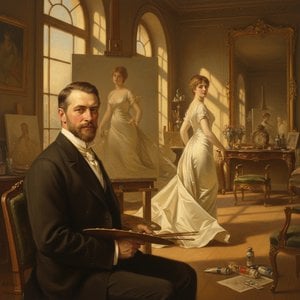
Discover the luminous mastery of John Singer Sargent. Explore an expert analysis of his legendary light, Gilded Age elegance, and technical brilliance, perfect for fine art enthusiasts seeking to bring timeless classical beauty into their modern collections.

Discover the breathtaking elegance of John Singer Sargent's masterpieces. From iconic Gilded Age portraits to impressionistic landscapes, explore the technical brilliance and timeless allure of this American master through our premium, hand-painted fine art reproductions.
 Megtekintés
 Küldés
 Megosztás
 Részletek
 Útmutató

 Letöltés
 Hasonló darabok
 X-ray felvétel
 Diavetítés
 Kérdések és válaszok
 Statisztika

 Összes részlet megjelenítése









 Az üvegkeretes opció csak 110 cm alatti méretben érhető el


