Múzeumi minőségű giclée vagy vászonnyomat, gyors gyártással és rugalmas finomítási lehetőségekkel. ( Kézzel festett másolat rendelése Áttérés digitális képre)





























Válasszon előre meghatározott méreteink közül, amelyek megfelelnek a műalkotás eredeti arányainak.

Írja be a keretének vagy a falának megfelelő szélességet és magasságot. A nyomatot csak le lehet vágni, soha nem tehető nagyobbá, mint az eredeti kép, így egy eltérő alakú méretnél a kép egy része elveszik. Mielőtt bármit kinyatintanánk, küldünk egy digitális próbamodellt jóváhagyásra. Az oldalon látható kép nem tartalmazza a valós levágást — ezt csak a próbamodell mutatja meg.
Világszerte történő kiszállítás területére mindössze 2 hét alatt, a szokásos 4-5 hét helyett. (17 november)
Landscape with a Double Rainbow
Reprodukció mérete
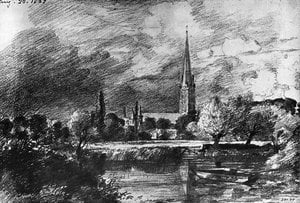
“Landscape with a Double Rainbow,” painted in 1812 by John Constable, is a captivating work that exemplifies the Romantic movement's fascination with nature and its emotional power. Measuring 33 x 38 cm, this oil on panel painting transports viewers to the serene English countryside, dominated by a breathtaking double rainbow arcing across the sky. The artwork’s enduring appeal lies in its ability to evoke feelings of awe, tranquility, and hope, making it a treasured piece for art enthusiasts worldwide.
Constable's masterful technique is evident in every brushstroke. He employed loose, feathery strokes to capture the atmospheric effects of light and weather, creating a sense of movement and depth within the landscape. The foreground features textured vegetation rendered with thick impasto, contrasting with the softer tones of the midground trees. The double rainbow itself is depicted with vibrant hues, drawing the eye upwards and acting as the focal point of the composition. Constable’s use of color is subtle yet impactful; muted greens and browns dominate the scene, punctuated by the brilliant colors of the rainbow. The perspective is somewhat flattened, emphasizing the immersive quality of the landscape rather than strict realism.
Created during the Romantic era (roughly 1790-1850), "Landscape with a Double Rainbow" reflects the movement's emphasis on emotion, individualism, and the sublime power of nature. Unlike earlier artistic traditions that favored classical subjects or idealized landscapes, Constable sought to depict the natural world as he observed it – honest, authentic, and imbued with personal feeling. His work was revolutionary for its time, challenging established conventions and paving the way for later generations of landscape painters. The painting stands in contrast to the Neoclassical style prevalent earlier, embracing a more subjective and emotional approach to art.
The double rainbow holds significant symbolic weight within the artwork. In many cultures, rainbows represent hope, promise, and divine connection. Constable’s choice of this motif suggests an appreciation for nature's beauty and its ability to inspire awe and wonder. The painting evokes a sense of tranquility and peaceful contemplation. The subdued color palette and atmospheric lighting contribute to a melancholic yet hopeful mood, inviting viewers to reflect on the transient nature of life and the enduring power of the natural world. It is believed that Constable saw rainbows as symbols of beauty and fleeting moments in time.
"Landscape with a Double Rainbow" remains one of John Constable's most celebrated works, recognized for its artistic merit and emotional resonance. It exemplifies his dedication to capturing the essence of the English countryside and his innovative approach to landscape painting. The artwork’s influence can be seen in subsequent generations of artists who embraced naturalism and sought to convey their personal connection with the environment. Today, it continues to inspire art lovers and serves as a testament to Constable's enduring legacy.
A „Landscape with a Double Rainbow”, John Constable alkotása közösségi tulajdon – a szerzői jog lejártt állapotban van. A szerzői jogi védelem időtartama a művész halálától számítódik, amely 1837 évben történt.
A „Landscape with a Double Rainbow”, John Constable alkotása számára a javasolt helyszín egy Living Room. Természetesen ez az ajánlás az Ön belső terehez is igazítható.
„Landscape with a Double Rainbow”, John Constable alkotása művészeti alkotásának összhangulata Romantic. Ez az érzet foglalja össze a mű általános atmoszféráját.


1776 - 1837 , Egyesült Királyság

Explore the profound legacy of John Constable. Discover how his mastery of light, atmosphere, and the English landscape redefined Romanticism through timeless, museum-quality oil reproductions for discerning collectors.
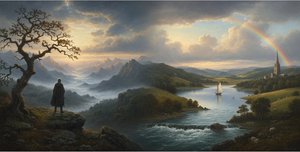
Journey through the sublime beauty of Romantic landscape paintings. Explore 10 iconic masterpieces, from Caspar David Friedrich to dramatic nature scenes, perfect for museum-quality decor. Discover the stories and techniques behind these timeless works on WahooArt.com.

Journey through the sublime beauty of Romantic landscape painting. Explore 10 iconic masterpieces by legends like Friedrich and Turner that capture nature's raw emotion. Find museum-quality art reproductions for your decor. Discover all masterpieces on WahooArt.com.

Explore 25 iconic works from Turner to Hogarth at Yale Center for British Art. Discover every masterpiece on WahooArt.com.

Immerse yourself in the soulful landscapes of John Constable. Explore our curated list of 25 iconic masterpieces, from atmospheric skies to the beauty of Dedham Vale. Find inspiration for museum-quality art reproductions and decor. Discover all masterpieces on WahooArt.com.
 Megtekintés
 Küldés
 Megosztás
 Részletek
 Útmutató

 Letöltés
 Hasonló darabok
 X-ray felvétel
 Diavetítés
 Kérdések és válaszok
 Statisztika

 Összes részlet megjelenítése









 Az üvegkeretes opció csak 110 cm alatti méretben érhető el