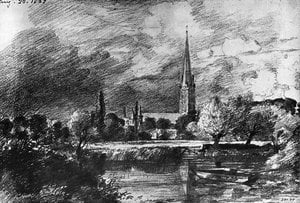
Kézzel festett olajvastú vászon, az Ön által választott méretben és keretben, művészeink készítik meglévőre. ( Nyomat rendelése Kép letöltése)





























Válasszon előre meghatározott méreteink közül, amelyek megfelelnek a műalkotás eredeti arányainak.

Ön megadhat saját méreteket egy adott kerethez vagy térhez igazításhoz. Ha a kiválasztott méret nem egyezik az eredeti kép arányával, akkor a műalkotást levágjuk, vagy további kézzel festett elemekkel meghosszabbítjuk a festményt. A gyártás megkezdése előtt küldünk Önnek egy digitális előnézetet jóváhagyásra.
Kérjük, vegye figyelembe, hogy a képernyőn megjelenő előnézet nem tükrözi a tényleges vágást vagy kiterjesztést. Csak az előnézet fog pontosan mutatni a végső kompozíciót.
Bár egyedi méretek állnak rendelkezésre, javasoljuk, hogy válasszon egy méretet az előre meghatározott listából az eredeti arányok megőrzése érdekében.
Világszerte elérhető szállítás () 3-4 hét alatt a szokásos 5 hét helyett. (7 szeptember). A minőség nem kérdőjelezhető.


Foord Rd Mill, Folkestone
Reprodukció mérete
In the quietude of 1833, John Constable captured more than just a landscape; he distilled the very essence of a changing England within the frame of Foord Rd Mill, Folkestone. To gaze upon this masterpiece is to step into a realm where the rhythmic pulse of nature meets the steady heartbeat of human industry. The centerpiece, a weathered windmill with its sails poised against the sky, serves as a profound symbol of English agricultural endurance. Yet, Constable does not present a static monument; through his masterful use of atmospheric perspective, he invites us to feel the moisture in the air and the subtle shifts in the coastal breeze. The scene is alive, populated by scattered figures that suggest a harmonious coexistence between the burgeoning seaside life of Folkestone and the timeless traditions of the land.
The technical brilliance of this work lies in Constable’s ability to manipulate light to evoke deep emotional resonance. Eschewing the rigid, overly idealized conventions of his predecessors, he embraced a more tactile and emotive approach to oil on canvas. His brushstrokes, though controlled, possess a certain looseness that allows colors to layer and breathe, creating a luminous texture that mimics the way sunlight filters through a canopy of trees. This technique creates a palpable sense of warmth, as if the viewer is standing in the meadow themselves, feeling the diffused glow of a sun struggling through passing clouds. For the collector or interior designer, this painting offers more than mere decoration; it provides a window into a moment of serene beauty, making it an ideal focal point for spaces that seek to inspire tranquility and a connection to the natural world.
Beyond its visual splendor, Foord Rd Mill carries the weight of historical transition. Painted during a period when Folkestone was beginning to grapple with the encroaching shadows of industrial expansion, the painting acts as a romanticized sanctuary. It captures a fleeting moment of peace before modernity irrevocably altered the English countryside. The windmill stands not just as a machine of labor, but as an icon of a way of life that Constable held dear—a life rooted in the soil and the seasons. This tension between the enduring landscape and the inevitable march of progress lends the piece a poignant, nostalgic depth that continues to captivate modern audiences.
For those seeking to adorn a home or gallery with a high-quality reproduction, this artwork offers an unparalleled opportunity to integrate classical Romanticism into contemporary settings. The painting’s palette of verdant greens, earthy browns, and ethereal light allows it to complement a wide array of interior aesthetics, from traditional manor styles to modern, minimalist retreats. It is a piece that demands contemplation, inviting anyone who stands before it to pause, breathe, and rediscover the profound poetry found in the simplest corners of our world.


1776 - 1837 , Egyesült Királyföld

Explore the profound legacy of John Constable. Discover how his mastery of light, atmosphere, and the English landscape redefined Romanticism through timeless, museum-quality oil reproductions for discerning collectors.
Discover the profound tranquility of rural art through an expert exploration of Impressionist landscapes. From pastoral scenes to textured oil masterpieces, learn how timeless nature-inspired artworks bring enduring elegance and serenity to sophisticated collectors.

Embark on a visual journey through the world's most serene parks. Discover how master artists capture light, texture, and tranquility through exquisite oil paintings and botanical landscapes designed for the discerning art enthusiast.

Explore the profound emotional depth of Romantic landscape painting. Discover how masters captured the sublime through light, shadow, and untamed nature, and learn to bring this timeless, atmospheric beauty into your collection with museum-quality fine art reproductions.

Explore the profound emotional power of Romantic landscape art. Discover how masters like Friedrich captured the sublime through breathtaking nature, and learn to curate these evocative masterpieces for your luxury interior collection.

 Megtekintés
 Küldés
 Megosztás
 Részletek

 Letöltés
 Hasonló darabok
 X-ray felvétel
 Diavetítés

 Összes részlet megjelenítése







 Az üvegkeretes opció csak 110 cm alatti méretben érhető el