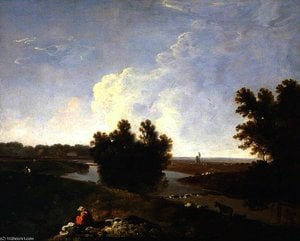
1631
1631 135.0 x 201.0 cm
 Koninklijk Museum voor Schone Kunsten
Vásároljon nagy felbontású, javított digitális képet, amely minőségében messze felülmúlja az online előnézetet.
Minden fájlt szakembereink a legmodernebb eszközök és precíz, kézi retusálás segítségével készítenek el aprólékosan. Gondoskodunk arról, hogy minden kép kivételes tisztasággal, pontos színhelyességgel és részletgazdag finomsággal rendelkezzen.
A végleges fájl 72 órán belül e-mailben megérkezik, professzionális, szerkesztői és nyomtatási környezetbe optimalizálva az azonnali használathoz. Ez ugyanaz a minőség, amelyben a legmeghatározóbb tervezőstúdiók, kiadók és galériák is megbízhatnak.
Töltsön le nagy felbontású fájlt személyes kiállításokhoz, nyomtatáshoz és kreatív projektekhez. ( Nyomat rendelése Kézzel festett másolat rendelése)
Amikor a WahooArt.com szolgáltatást választja, nem csupán egy képet kap – professzionálisan felmagasított digitális műalkotást kap, amely precizitással készült, és amelyet megelégsedési gwarancia tesz biztoslássá. Az alábbiakban automatikusan minden benne 】

A nagy felbontású digitális képmásolatát a megrendelést követő 72 órán belül e-mailben elküldjük Önnek – azonnal használható formátumban.

Műve professzionális módon kerül optimalizálásra fejlett mesterséges intelligencia eszközök és manuális szerkesztés segítségével, biztosítva a maximális részletességet, tisztaságot és színpontosságot.

Véletlenül törölted vagy elvesztetted a fájlodat? Ne aggódj – bármikor ingyen újra megküldjük neked.

Élvezze műalkotásait azonnal, vám, illeték vagy szállítási költség nélkül – a digitális letöltések mindig adamentesek.

Professzionális eszközök és színkezelés segítségével garantáljuk, hogy digitális képe a lehető legpontosabban tükrözze az eredeti színeket.

Ha nemມີ elégedett a digitális képével, 100 napon belül felülvizsgáljuk vagy 100% visszatérítjük az amountot – kérdés बिना.

Nem tetszett a vásárlás? 100 napon belül teljes visszatérítést garantálunk a digitális fájl megvételétől számítva – kérdés बिना.

Vásároljon 3 képet, spóroljon 10%-et - Vásároljon 5-öt, spóroljon 15%-et - Vásároljon 10+ képet, spóroljon 20%-at. Kiváló kreatív projektekhez, galériákhoz és ügynökségekhez.

Jan Wildens, born in the vibrant heart of Antwerp in 1586, stands as a pivotal figure within the Flemish Baroque landscape tradition. His artistic legacy rests upon meticulously rendered scenes imbued with a profound sense of tranquility and realism—a stylistic hallmark that cemented his reputation alongside luminaries such as Peter Paul Rubens and Jan Bril. Unlike many of his contemporaries who embraced dramatic theatricality and turbulent compositions, Wildens cultivated an aesthetic rooted in keen observation and subtle detail. He possessed a unique ability to capture the very essence of rural life and urban vistas alike, presenting the world not through a lens of chaos, but through a window of quiet, enduring beauty.
The foundations of his mastery were laid during a formative youth in Antwerp. While his father, Hendrick Wildens, was a respected merchant, Jan’s path was destined for the easel. Following the untimely passing of his father, he was raised by his mother, Magdalena van Vosbergen, and her second husband, Cornelis Cock. This domestic environment placed him within the orbit of the great masters, as Cock was the stepfather to Cornelis de Vos, a connection that would weave Jan into the very fabric of the Antwerp artistic elite. At only sixteen years of age, Wildens entered the prestigious Antwerp Guild of St. Luke, apprenticing under Pieter van der Hulst (I). Under this tutelage, he mastered the foundational techniques of landscape composition and light, developing the precise visual language that would later allow him to breathe life into both sprawling panoramas and intimate biblical settings.
The most significant chapter in Wildens’ illustrious career was undoubtedly his profound artistic partnership with Peter Paul Rubens. This was not merely a relationship of student and master, but a true collaboration of equals that elevated the landscape genre within the Baroque movement. Their work together spanned numerous monumental projects, most notably the breathtaking Decius Mus tapestry series commissioned by Cardinal Ferdinand. In these grand compositions, Wildens was entrusted with creating the atmospheric cityscapes that provided the stage for historical drama, specifically contributing two magnificent views of Antwerp’s grandeur. This association allowed Wildens to merge his talent for detailed realism with Rubens' epic narrative scale, propelling him to the heights of European recognition.
Beyond these large-scale commissions, Wildens demonstrated a remarkable versatility in subject matter. His ability to transition from the architectural precision of urban landscapes to the spiritual stillness of religious narratives is evident in his diverse body of work. For instance:
The historical significance of Jan Wildens lies in his role as a bridge between the detailed, observational traditions of the late Renaissance and the more expansive, emotive landscapes of the high Baroque. He avoided the trap of mere decoration, instead using the landscape to ground grand narratives in a tangible, recognizable reality. His work provided the essential "breath" for the larger-than-life figures of Rubens' compositions, offering a sense of place that made the mythological and historical scenes feel grounded in the physical world.
As we look back upon his life, which concluded in 1653, we see an artist who mastered the art of the subtle. Through his dedication to light, texture, and atmosphere, Wildens ensured that the landscapes of Flanders would be remembered not just as backgrounds, but as enduring characters in the story of Western art. His ability to find the extraordinary within the ordinary continues to captivate collectors and historians, serving as a testament to the power of a steady, observant eye.

1586 - 1653 , Belgium

 Megtekintés
 Küldés
 Megosztás
 Részletek

 Letöltés
 Hasonló darabok
 X-ray felvétel
 Diavetítés
 Összes részlet megjelenítése