Előnézet AR előnézet Kézzel festett másolat vásárlása Áttérés digitális képre Megosztás
Részletek Útmutató Kedvencekhez ad Letöltés Hasonló darabok X-ray felvétel Diavetítés Statisztika

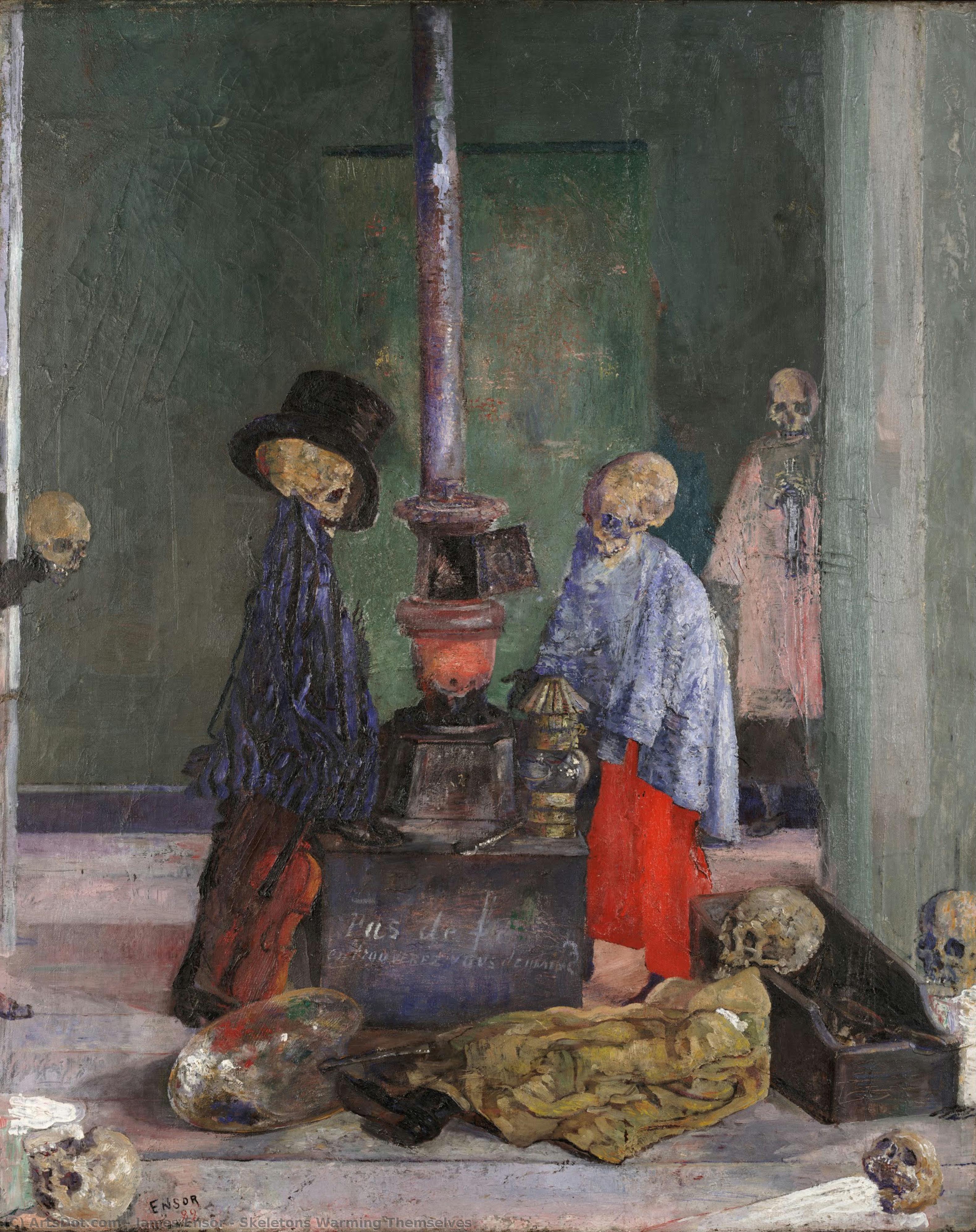
Skeletons Warming Themselves

James Ensor (1860-1949) belgiai festő, az expresszionizmus és szürrealizmus úttörője. Szokatlan maskarák, karneválok és groteszk képeivel a psziché mélyebb rétegeibe hatol. Fedezd fel a sötét világát!

Giclée / Műnyomat

Múzeumi minőségű giclée vagy vászonnyomat, gyors gyártással és rugalmas finomítási lehetőségekkel. ( Kézzel festett másolat vásárlása Áttérés digitális képre)

Corner sample of the P118B picture frame: moulded polystyrene, 5 cm wide and 3 cm thick
P118B Ft10
Corner sample of the P118H picture frame: moulded polystyrene, 5 cm wide and 3 cm thick
P118H Ft10
Corner sample of the P118W picture frame: moulded polystyrene, 5 cm wide and 3 cm thick
P118W Ft10
Corner sample of the P438Z picture frame: moulded polystyrene, 5.5 cm wide and 3.5 cm thick
P438Z Ft10
Corner sample of the P508JH picture frame: moulded polystyrene, 7 cm wide and 3.5 cm thick
P508JH Ft12
Corner sample of the P508YH picture frame: moulded polystyrene, 7 cm wide and 3.5 cm thick
P508YH Ft12
Corner sample of the P805H picture frame: moulded polystyrene, 5 cm wide and 3.5 cm thick
P805H Ft10
Corner sample of the P805Z picture frame: moulded polystyrene, 5 cm wide and 3.5 cm thick
P805Z Ft10
Corner sample of the P919BZ picture frame: moulded polystyrene, 7 cm wide and 3.5 cm thick
P919BZ Ft10
Corner sample of the P919G picture frame: moulded polystyrene, 7 cm wide and 3.5 cm thick
P919G Ft10
Corner sample of the P919XJ picture frame: moulded polystyrene, 7 cm wide and 3.5 cm thick
P919XJ Ft10
Corner sample of the P959ZH picture frame: moulded polystyrene, 5 cm wide and 3 cm thick
P959ZH Ft10
Corner sample of the P968JZ picture frame: moulded polystyrene, 6 cm wide and 4 cm thick
P968JZ Ft12
Corner sample of the W106C picture frame: solid wood, 5 cm wide and 3 cm thick
W106C Ft8
Corner sample of the W218G picture frame: solid wood, 5 cm wide and 3 cm thick
W218G Ft10
Corner sample of the W218JH picture frame: solid wood, 5 cm wide and 3 cm thick
W218JH Ft8
Corner sample of the W218Y picture frame: solid wood, 5 cm wide and 3 cm thick
W218Y Ft10
Corner sample of the W307PJ picture frame: solid wood, 6 cm wide and 3 cm thick
W307PJ Ft10
Corner sample of the W316G picture frame: solid wood, 6 cm wide and 3 cm thick
W316G Ft10
Corner sample of the W316PJ picture frame: solid wood, 6 cm wide and 3 cm thick
W316PJ Ft8
Corner sample of the W316Y picture frame: solid wood, 6 cm wide and 3 cm thick
W316Y Ft10
Corner sample of the W398PJ picture frame: solid wood, 5 cm wide and 3 cm thick
W398PJ Ft8
Corner sample of the W4111J picture frame: solid wood, 6.5 cm wide and 3.5 cm thick
W4111J Ft10
Corner sample of the W500HY picture frame: solid wood, 7 cm wide and 5 cm thick
W500HY Ft15
Corner sample of the W500JH picture frame: solid wood, 7 cm wide and 5 cm thick
W500JH Ft15
Corner sample of the W692G picture frame: solid wood, 8 cm wide and 4 cm thick
W692G Ft12
Corner sample of the W849H picture frame: solid wood, 5 cm wide and 3 cm thick
W849H Ft8
Corner sample of the W940BG picture frame: solid wood, 7.5 cm wide and 4.5 cm thick
W940BG Ft15
Corner sample of the W953PJ picture frame: solid wood, 6 cm wide and 3.5 cm thick
W953PJ Ft8

Standard méret
egyedi
CM
INCH

Válasszon előre meghatározott méreteink közül, amelyek megfelelnek a műalkotás eredeti arányainak.

szélesség
magasság

Megadhat saját méreteket is egy konkrét kerethez vagy helyszínhez igazítva. Amennyiben a kiválasztott méret nem egyezik az eredeti kép arányokkal, a műalkotást le fogjuk vágni, vagy kiegészítjük a képet tükrözött vagy egyszínű szélekkel. A gyártás megkezdése előtt egy digitális tervezetet küldünk jóváhagyásra.
Kérjük, vegye figyelembe, hogy a képernyőn látható előnézet nem tükrözi a tényleges levágást vagy kiegészítést. Csak a tervezet mutatja pontosan a végső kompozíciót.
Bár az egyedi méretek is elérhetőek, az eredeti arányok megőrzése érdekében azt javasoljuk, hogy válasszon a előre meghatározott listából származó méretet.

Világszerte történő kiszállítás területére mindössze 2 hét alatt, a szokásos 4-5 hét helyett. (10 október)

Ingyenes globális expressz szállítás
Prémium minőségű len vászon
Teljes körű szállítási biztosítás
Vámvisszatérítési Garancia
Tökéletes színarányosság garancia
100 napos visszaküldési garancia (csak gyártási hibás termékek esetén)
100% pénzvisszatérítési garancia
Több darab vásárlásakor kedvezmény

Összesített ár

Ft 21355

Skeletons Warming Themselves

Giclée / Műnyomat

Reprodukció méretei

-

Összesített ár

Ft 21355

Rövid tények

  • Location: Private Collection
  • Movement: Symbolism
  • Year: 1889
  • Subject or theme: Mortality, art's demise
  • Medium: Oil on canvas
  • Influences: Dance of Death
  • Notable elements: Masks, skeletons, stove

Művészeti kvíz

Minden kérdésre csak egy helyes válasz létezik.

Kérdés 1:
What is the primary symbolic meaning suggested by the phrase ‘No fire. Will you find any tomorrow?’ in James Ensor’s *Skeletons Warming Themselves*?
Kérdés 2:
The X-radiograph revealed what hidden image beneath James Ensor’s *Skeletons Warming Themselves*?
Kérdés 3:
Considering the context of medieval and Renaissance print cycles, what is the likely allegorical purpose of depicting skeletons in *Skeletons Warming Themselves*?
Kérdés 4:
What does the presence of a palette and brush alongside the skeletons suggest in *Skeletons Warming Themselves*?
Kérdés 5:
James Ensor's upbringing in Ostend significantly influenced his art. What specific element of Ostendian history likely fueled his artistic vision?

A Haunting Still Life: James Ensor’s *Skeletons Warming Themselves*

James Ensor's 1889 painting, *Skeletons Warming Themselves*, isn’t merely a depiction of figures around a hearth; it’s a profoundly unsettling meditation on mortality, artistic endeavor, and the lingering echoes of history. Emerging from the artist’s uniquely layered background – his English father and Belgian mother, coupled with a childhood steeped in Ostend's macabre discoveries of skeletal remains – Ensor crafts an image that simultaneously invites contemplation and evokes a chilling unease. The painting possesses a remarkable duality: on one level, it presents a domestic scene, almost banal in its arrangement of skeletons, a palette, brushes, and a violin; yet, beneath this veneer lies a complex web of symbolism and historical reference that demands careful consideration.

The Palette of Decay and Creation

Ensor’s masterful manipulation of monochrome creates an atmosphere thick with melancholy. The stark black and white palette emphasizes the skeletal forms, lending them an almost porcelain quality while simultaneously highlighting their vulnerability. Notice how the artist subtly shifts tones – a slight darkening around the edges of the skeletons, suggesting age and decay, contrasts sharply with the brighter areas where they are clustered near the stove. This careful use of value is crucial to the painting’s impact, drawing the viewer's eye across the composition and reinforcing the central theme of transience. The inclusion of the palette and brush isn’t accidental; it directly references Ensor’s own artistic practice, suggesting a cycle of creation and destruction, life and death inextricably linked.

Echoes of Ostend and the Dance of Death

The setting itself is deeply rooted in Ensor's personal history. The stove, inscribed with “Pas de feu” (“No fire”) and followed by “en trouverez vous demain?” (“Will you find any tomorrow?”), immediately evokes a sense of abandonment and uncertainty. This cryptic message resonates with the historical context of Ostend, where human bones were routinely unearthed for centuries – remnants of past conflicts and a constant reminder of mortality. Furthermore, *Skeletons Warming Themselves* aligns itself with the tradition of the “Dance of Death” prints, popular during the medieval and Renaissance periods. These allegorical images frequently depicted skeletons as symbols of universal death, often engaging in satirical commentary on various professions and social classes. Ensor’s work subtly echoes this tradition, transforming the skeletal figures into a group engaged in quiet contemplation – perhaps even a shared ritual of remembrance.

A Hidden Portrait and the Artist's Struggle

Interestingly, X-radiographs revealed that *Skeletons Warming Themselves* was created over an earlier painting: a bust-length portrait of a young girl. This layering of images speaks volumes about Ensor’s artistic process and his personal circumstances at the time. The decision to rework an existing canvas suggests a period of economic hardship, a common struggle for many artists in late 19th-century Europe. It also hints at a possible desire to move beyond a previous work, perhaps seeking a new direction or grappling with unresolved emotions. The painting becomes not just a visual statement but a window into the artist’s creative journey and his internal landscape.

A hand-painted reproduction of *Skeletons Warming Themselves* offers a unique opportunity to bring this haunting masterpiece into your home. Its evocative imagery, rich symbolism, and historical depth will undoubtedly spark conversation and serve as a poignant reminder of the ephemeral nature of life itself. The meticulous detail captured in the reproduction allows you to appreciate Ensor’s masterful technique and his profound exploration of the human condition – a truly captivating addition to any art collection or interior design scheme.

Gyakran Ismételt Kérdések

Mikor készült a(z) „Skeletons Warming Themselves”, James Ensor alkotása?

A "Skeletons Warming Themselves" művészeti alkotás 1889-ból származik. A dátum James Ensor pályájának és az adott korszaknak is meghatározó pontjaként szolgál.

Általánosságban inkább világos vagy sötét a "Skeletons Warming Themselves"?

A "Skeletons Warming Themselves" alkotás fényerisége összességében shadow, luminanciája pedig Soft Shadow.

„Skeletons Warming Themselves”, James Ensor alkotása egy világos vagy egy sötét tónusú alkotás?

Összességében a "Skeletons Warming Themselves" alkotás shadow fényerőséget mutat. A tapasztalt fényerő azt írja le, hogy a mű mennyire tűnik világosnak vagy sötétnek.

Ki a "Skeletons Warming Themselves" alkotója?

A "Skeletons Warming Themselves" alkotója James Ensor. A mű James Ensor nevére van katalógusozva.

Hány éves volt James Ensor, amikor megalkotta a "Skeletons Warming Themselves" című alkotást?

James Ensor 29 éves korában festette a „Skeletons Warming Themselves” című művét. A művész 1860 született, a alkotás dátuma pedig 1889.

Mely művész és mely stílus áll a "Skeletons Warming Themselves" mögött?

James Ensor a Symbolist Expressionism irányzatban alkototta meg a "Skeletons Warming Themselves" című művét.

Milyen nemzetiség áll a „Skeletons Warming Themselves” Symbolist Expressionism-ének hátterében?

A Symbolist Expressionism korszak alkotása, a "Skeletons Warming Themselves", egy Belgium-ban született művész munkája.


A művész életrajza

A Life Immersed in Masks and Shadows: The World of James Ensor

James Sidney Edouard Ensor (Oostende, 1860. április 13. – Oestende, 1949. november 19.) belga expresszionista festő. Élete egy különleges keverék volt: apja angol, anyja belgák, ami talán a művész egész életében visszatérő témáihoz, a maszkokhoz és a hamis arcokhoz vezetett. A gyermekkorában, Ostend városka hangulatos tengerparti üdülőhelyén töltött évei nagyban befolyásolták őt – a karnaválok bizarr látlelete, a különös tárgyak, a szórakozás és a kalandok mind a művész fantáziáját ébresztették meg. Szülei egy emléktárgy-üzletet üzték, ahol maszkokat is árultak – ezek nagy hatással voltak későbbi munkásságára. Hosszú életének nagy részét Oostendében élte le, teljes magányosságban.

From Somber Realism to Grotesque Visions

Ensor korai művei inkább a hagyományos megközelítést tükrözik, azaz realista képeket festettek, melyek mély árnyalatúak és szomorúak. Művei, mint például *Russian Music* (1881) és *The Drunkards* (1883), egybenzős tehetséget mutatnak, de még ezekben az eleinte is feltűnő, zavaró képek jelei láthatók. Egy fordulópontot jelentett a művész életében, amikor a színeinek világossága nőtt, és a témái egyre bizarrabbak lettek. Elkezdte, hogy vásznait szellemekkel, sírszemélyekkel, harcoló koporsókkel és alegorikus alakokkal tölti meg – egy olyan világgal, amely a fantázia és a groteszk határán áll. Ez nem csupán stilisztikai változás volt; egy tudatos kutatás a lényeges emberi létezés sötétebb oldalai iránt, egy társadalmi normákat elutasító és az irracionálisra való hajlanás. Stílusa azonnal felismerhető volt: merész festői, élénk színei és színházi hangulata – egyedi vizuális nyelv, amely...

Masterpieces of Disquiet: Key Works and Recurring Themes

Ensor művészetében számos darab emelkedett ikonikus státusszra. *The Scandalized Masks* (1883) egykorai kiemelkedő alkotása, amely a maszkok erejét és képességeit mutatja be, hogy feltárják a rejtett érzelmeket. Talán legkontroversobb műve, *Christ's Entry into Brussels* (1888-1889), ma már világszerte elismert mesterdarab – egy szatíra vallási alázatlanságra és társadalmi közömbösségre. A Krisztus ostendában megjelenő, groteszk maszkokkal öltözött tömegének képe mélyen megrendítő, és a vallásos ideálok és az emberi viselkedés közötti szakadékot mutatja be. *Skeletons Fighting over a Hanged Man* (1891) egy szívszorító meditatív alkotás halállal, hanyatlással és az élet értelmetlenségével kapcsolatban, míg *Tribulations of Saint Anthony* (1887) összetett alegorikus témákat jelenít meg a szenvedélyről, a bűnről és a spirituális küzdelmekről. A művész egész életében visszatérő téma a halál, a társadalmi kritikák, vallási szatíra és az elképzelés végtelen ereje – témák, amelyek örök érvényűek.

A Pioneer of Modernism: Influences and Legacy

Bár Ensor ellenállta az egyszerű kategóriazást, művészi utóbbania összetett és izgalmas. A korai munkái hatása Bruegel a Nagyra volt jellemző, akinek zsúfolt képei és morálisan megítélő történetei inspirálták őt is. Goya munkássága is fontos szerepet játszott Ensor életművének kialakításában. James Abbott McNeill Whistler estételi szürrealizmusának hangsúlyozása is befolyásolta a művész stílusát. Azonban Ensor nem csupán egy utódot volt; összehangolt ezeket az érveket valami teljesen eredetiébe. Ma őt tekintik kulcsfigurává a 19. századi szimbolizmus és a korai 20. századi expresszionizmus és szürrealizmus átmenetében – egy igazi modern művészpénzső. Független, merészen kihívó stílusa, groteszk képeinek használata és az akadémiai normák elutasítása útját cleared a következő generációk számára. Bár kezdetben ellenállást talált munkájának, Ensor később jutott el elismertséghez, amikor 1929-ben báróssá nevezte ki Albert I király, és 1933-ban kapta meg a Légion d'Honneur kitüntetését. Halálával 1949-ben Oostendében, egy rövid betegség után búcsúzott el, hátrahagyva egy olyan művészeti örökséget, amely ma is magunkba foglalja és szórakoztatja a közönséget. *A hagyománynak örököse az művészet erejének tanúsága, ami szembenézhet a kellemetlen igazságokkal és feltárja az emberi létezés mélységeit.*
James Ensor

James Ensor

1860 - 1949 , Belgium

Gyors információk

  • Artistic Movement Or Style: Kifejező, szürreális
  • Artists Or Movements Influenced By This Artist:
    • Kifejezőművészet
    • Szürrealizmus
  • Artists Who Influenced This Artist:
    • Bruegel
    • Goya
    • Whistler
  • Date Of Birth: 1860. ápril 13.
  • Date Of Death: 1949. nov 19.
  • Full Name: James Sidney Edouard Ensor
  • Nationality: Belga
  • Notable Artworks:
    • A Szánalmas Maszkok
    • Skeptikusok
    • Krisztus bejárása
    • Szentháromszéki szenvázatok
  • Place Of Birth: Ostend, Belgium
Fedezze fel a műalkotásokat témák, stílusok és jellemzők szerint csoportosítva.