


x
Minden kérdésre csak egyetlen helyes válasz létezik.
Fort Worth’s Kimbell Art Museum isn't merely a repository for masterpieces; it’s an experience, a profound immersion into a realm where light and form dance in harmonious unity. Nestled within the city’s vibrant Cultural District, this institution stands as a testament to visionary generosity – the legacy of Kay and Velma Kimbell – and their unwavering belief that art should be accessible, enriching, and deeply moving for all who enter its luminous halls. The museum's story began not just with an impressive collection, but with an audacious vision: to create a space where artworks could breathe, where visitors could forge a genuine connection with the artistry of ages past, a sanctuary designed to elevate the human spirit.
The architecture itself is nothing short of revolutionary, a symphony in concrete, glass, and light conceived by the legendary Louis I. Kahn. Departing from the often-grand, imposing scale of traditional museums, Kahn deliberately opted for an intimate, almost contemplative design. He invited visitors on a journey through a series of interconnected barrel-vaulted galleries – magnificent spaces crafted from meticulously chosen travertine limestone. These aren’t simply structural elements; they are instruments of illumination, designed to capture and diffuse natural light in a way that enhances the textures and colors of the artworks within. Kahn's genius lies in his ability to create spaces that feel both monumental and deeply human, fostering a sense of quiet reverence and encouraging visitors to lose themselves in the beauty surrounding them – a feeling that permeates every corner of this extraordinary building.
The Kimbell’s collection is a carefully curated tapestry woven from masterpieces spanning from the 14th to the 19th centuries, primarily focusing on European art. It's not merely a display of objects; it’s a narrative – a journey through artistic evolution and cultural exchange. Within its walls reside treasures that demand attention, each piece offering a unique window into the past. Among its most celebrated holdings are Rembrandt van Rijn’s portraits, such as “Self-Portrait,” where the artist masterfully employs chiaroscuro – the dramatic interplay of light and dark – to capture psychological depth and intimacy. The subtle nuances of expression, the delicate rendering of fabric, and the masterful use of shadow create a profound connection with Rembrandt's inner world, inviting viewers to contemplate his life and artistry.
Equally compelling are the ethereal paintings by El Greco, imbued with spiritual intensity and characterized by elongated figures and vibrant colors that transport viewers to realms beyond the earthly plane – a testament to his unique vision and emotional power. These works, alongside significant examples from Duccio, Botticelli, Titian, Rubens, and Michelangelo, demonstrate the evolution of European art across centuries. A particularly striking example is the Kimbell seated Bodhisattva, a 131 CE sculpture that embodies the fusion of Greco-Buddhist artistic traditions, showcasing the cultural exchange along ancient trade routes. This remarkable artifact, originally from Mathura, India, demonstrates the museum’s commitment to exploring global connections and celebrating diverse artistic influences – a testament to its role as a bridge between cultures.
Louis I. Kahn’s design prioritizes simplicity, contemplation, and an almost spiritual connection with the art it houses. The barrel-vaulted galleries are deliberately devoid of ornamentation, allowing the artworks themselves to command the visual experience. This minimalist approach isn’t a lack of care; rather, it's a deliberate strategy to minimize distraction and maximize the impact of each piece. The use of travertine limestone contributes significantly to the museum’s serene atmosphere, reinforcing Kahn’s commitment to creating spaces that inspire awe and reverence – a feeling that permeates every corner of the building.
The ingenious design of the vaults is particularly noteworthy. Kahn meticulously calculated the angles and proportions to ensure that natural light would be distributed evenly throughout the galleries, bathing the artworks in a soft, silvery glow. This carefully orchestrated interplay of light and shadow isn’t merely aesthetic; it's integral to the museum’s mission – to enhance the beauty and emotional impact of the art on display. The resulting atmosphere is one of quiet contemplation, inviting visitors to slow down, observe, and truly appreciate the artistry before them.
The Kimbell’s collection isn't simply a static display; it’s a living testament to human creativity, constantly evolving through new acquisitions and thoughtfully curated exhibitions. The museum consistently pushes boundaries with dynamic temporary shows that explore connections between Old Masters and contemporary artists, fostering intellectual curiosity and challenging conventional interpretations of art history. These exhibitions demonstrate the Kimbell’s commitment to engaging audiences with fresh perspectives and sparking dialogue about the enduring relevance of art.
Furthermore, the museum's dedication to preserving cultural heritage is exemplified through its participation in the Monuments Men and Women Museum Network—a global initiative dedicated to safeguarding artistic treasures from destruction. A visit to the Kimbell Art Museum is more than just viewing art; it’s an immersion into beauty, history, and the enduring power of human creativity – a place where one can lose oneself in contemplation and emerge with a renewed sense of wonder. It's a space designed not just for looking at art, but for *feeling* it—a testament to the Kimbell family’s original vision of making art accessible and profoundly moving for all.
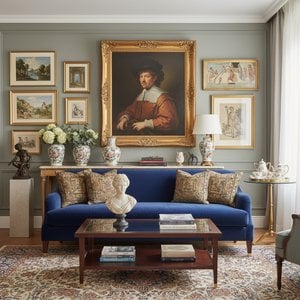
Fedezze fel a Hermitage Múzeum 25 legszebb művészeti remekművét! Leonardo da Vinci, Rembrandt és Vermeer alkotásainak története. Klasszikus festmények otthonába – exkluzív reprodukciók a ArtsDot.com-on!

Exkluzív megrendelt műalkotások a tehetős réteg számára! Kézi festés, egyedi portrék, befektetési célú alkotások. Szakértői tanácsadás és museum minőségű reprodukciók a ArtsDot-tól. Teremtsen luxus hangulatot otthonában!

Explore the captivating world of El Greco! Discover his unique style, spiritual intensity, and lasting impact on art history. Learn about this Renaissance master's life, iconic paintings & legacy.


Maradjon naprakész a legfrissebb művészeti hírekkel, exkluzív ajánlatokkal és dekorációs ötletekkel.
Írja le nekünk projektjét, és művészeti szakértőink 3 személyre szabott műalkotási javaslatot készítenek Önnek.
Hagyjuk, hogy mi válogassunk ki Önnek 3 legjobb opciót – Ingyenesen!


