A művész életrajza
A Life Immersed in Masks and Shadows: The World of James Ensor
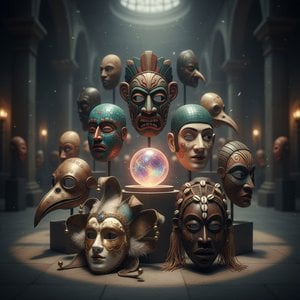
James Sidney Edouard Ensor (Oostende, 1860. április 13. – Oestende, 1949. november 19.) belga expresszionista festő. Élete egy különleges keverék volt: apja angol, anyja belgák, ami talán a művész egész életében visszatérő témáihoz, a maszkokhoz és a hamis arcokhoz vezetett. A gyermekkorában, Ostend városka hangulatos tengerparti üdülőhelyén töltött évei nagyban befolyásolták őt – a karnaválok bizarr látlelete, a különös tárgyak, a szórakozás és a kalandok mind a művész fantáziáját ébresztették meg. Szülei egy emléktárgy-üzletet üzték, ahol maszkokat is árultak – ezek nagy hatással voltak későbbi munkásságára. Hosszú életének nagy részét Oostendében élte le, teljes magányosságban.
From Somber Realism to Grotesque Visions
Ensor korai művei inkább a hagyományos megközelítést tükrözik, azaz realista képeket festettek, melyek mély árnyalatúak és szomorúak. Művei, mint például *Russian Music* (1881) és *The Drunkards* (1883), egybenzős tehetséget mutatnak, de még ezekben az eleinte is feltűnő, zavaró képek jelei láthatók. Egy fordulópontot jelentett a művész életében, amikor a színeinek világossága nőtt, és a témái egyre bizarrabbak lettek. Elkezdte, hogy vásznait szellemekkel, sírszemélyekkel, harcoló koporsókkel és alegorikus alakokkal tölti meg – egy olyan világgal, amely a fantázia és a groteszk határán áll. Ez nem csupán stilisztikai változás volt; egy tudatos kutatás a lényeges emberi létezés sötétebb oldalai iránt, egy társadalmi normákat elutasító és az irracionálisra való hajlanás. Stílusa azonnal felismerhető volt: merész festői, élénk színei és színházi hangulata – egyedi vizuális nyelv, amely...
Masterpieces of Disquiet: Key Works and Recurring Themes
Ensor művészetében számos darab emelkedett ikonikus státusszra. *The Scandalized Masks* (1883) egykorai kiemelkedő alkotása, amely a maszkok erejét és képességeit mutatja be, hogy feltárják a rejtett érzelmeket. Talán legkontroversobb műve, *Christ's Entry into Brussels* (1888-1889), ma már világszerte elismert mesterdarab – egy szatíra vallási alázatlanságra és társadalmi közömbösségre. A Krisztus ostendában megjelenő, groteszk maszkokkal öltözött tömegének képe mélyen megrendítő, és a vallásos ideálok és az emberi viselkedés közötti szakadékot mutatja be. *Skeletons Fighting over a Hanged Man* (1891) egy szívszorító meditatív alkotás halállal, hanyatlással és az élet értelmetlenségével kapcsolatban, míg *Tribulations of Saint Anthony* (1887) összetett alegorikus témákat jelenít meg a szenvedélyről, a bűnről és a spirituális küzdelmekről. A művész egész életében visszatérő téma a halál, a társadalmi kritikák, vallási szatíra és az elképzelés végtelen ereje – témák, amelyek örök érvényűek.
A Pioneer of Modernism: Influences and Legacy
Bár Ensor ellenállta az egyszerű kategóriazást, művészi utóbbania összetett és izgalmas. A korai munkái hatása Bruegel a Nagyra volt jellemző, akinek zsúfolt képei és morálisan megítélő történetei inspirálták őt is. Goya munkássága is fontos szerepet játszott Ensor életművének kialakításában. James Abbott McNeill Whistler estételi szürrealizmusának hangsúlyozása is befolyásolta a művész stílusát. Azonban Ensor nem csupán egy utódot volt; összehangolt ezeket az érveket valami teljesen eredetiébe. Ma őt tekintik kulcsfigurává a 19. századi szimbolizmus és a korai 20. századi expresszionizmus és szürrealizmus átmenetében – egy igazi modern művészpénzső. Független, merészen kihívó stílusa, groteszk képeinek használata és az akadémiai normák elutasítása útját cleared a következő generációk számára. Bár kezdetben ellenállást talált munkájának, Ensor később jutott el elismertséghez, amikor 1929-ben báróssá nevezte ki Albert I király, és 1933-ban kapta meg a Légion d'Honneur kitüntetését. Halálával 1949-ben Oostendében, egy rövid betegség után búcsúzott el, hátrahagyva egy olyan művészeti örökséget, amely ma is magunkba foglalja és szórakoztatja a közönséget. *A hagyománynak örököse az művészet erejének tanúsága, ami szembenézhet a kellemetlen igazságokkal és feltárja az emberi létezés mélységeit.*



 Megtekintés
 Áttérés Nyomtatványra
 Küldés
 Megosztás
 Részletek

 Letöltés
 Hasonló darabok
 X-ray felvétel
 Diavetítés
 Statisztika
 Összes részlet megjelenítése






































 Az üvegkeretes opció csak 110 cm alatti méretben érhető el