MegtekintésMegtekintés Műalkotás AR előnézeteMűalkotás AR előnézete Kézzel festett másolat rendelése Kézzel festett másolat rendeléseKép letöltése Kép letöltése KüldésKüldés
RészletekRészletek Kedvencekhez ad Kedvencekhez ad LetöltésLetöltés Hasonló darabokHasonló darabok X-ray felvételX-ray felvétel DiavetítésDiavetítés

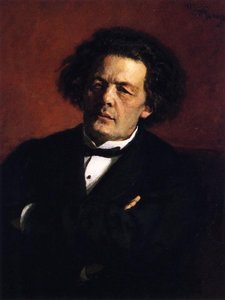
Self portrait at work

Experience the vivid Realism of Repin's Self Portrait at Work (1915), capturing an artist immersed in his craft; bring this masterpiece home today.

Repin, a nagyszerű orosz realista festő, a 'Volgai targoncárosok' és más ikonikus műveivel ábrázolta Oroszország társadalmát és történelmét. Érdekes életrajza, alkotásai.

Giclée / Műnyomat

Múzeumi minőségű giclée vagy vászonnyomat, gyors gyártással és rugalmas finomítási lehetőségekkel. (Kézzel festett másolat rendelése Kézzel festett másolat rendeléseKép letöltése Kép letöltése)

P118B $10
P118H $10
P118W $10
P438Z $10
P508JH $12
P508YH $12
P805H $10
P805Z $10
P919BZ $10
P919G $10
P919XJ $10
P959ZH $10
P968JZ $12
W106C $8
W218G $10
W218JH $8
W218Y $10
W307PJ $10
W316G $10
W316PJ $8
W316Y $10
W398PJ $8
W4111J $10
W500HY $15
W500JH $15
W692G $12
W849H $8
W940BG $15
W953PJ $8

Standard méret
egyedi méretű
CM
INCH

Válasszon előre meghatározott méreteink közül, amelyek megfelelnek a műalkotás eredeti arányainak.

szélesség
magasság

Megadhat saját méreteket is egy konkrét kerethez vagy helyszínhez igazítva. Amennyiben a kiválasztott méret nem egyezik az eredeti kép arányokkal, a műalkotást le fogjuk vágni, vagy kiegészítjük a képet tükrözött vagy egyszínű szélekkel. A gyártás megkezdése előtt egy digitális tervezetet küldünk jóváhagyásra.
Kérjük, vegye figyelembe, hogy a képernyőn látható előnézet nem tükrözi a tényleges levágást vagy kiegészítést. Csak a tervezet mutatja pontosan a végső kompozíciót.
Bár az egyedi méretek is elérhetőek, az eredeti arányok megőrzése érdekében azt javasoljuk, hogy válasszon a előre meghatározott listából származó méretet.

Világszerte történő kiszállítás területére mindössze 2 hét alatt, a szokásos 4-5 hét helyett. (6 szeptember)

why_choose_icon
Ingyenes globális expressz szállítás
why_choose_icon
Prémium minőségű len vászon
why_choose_icon
Teljes körű szállítási biztosítás
why_choose_icon
Vámvisszatérítési Garancia
why_choose_icon
Hiteles színpontosság garancia
why_choose_icon
100 napos visszaküldési lehetőség (csak hibás termékek esetén)
why_choose_icon
100% pénzvisszatérítési garancia
why_choose_icon
Több darab vásárlása esetén kedvezmény

Összesített ár

$ 68

reproduction

Self portrait at work

Giclée / Műnyomat

Reprodukció mérete

-

Összesített ár

$ 68

Gyors információk

  • Title: Self portrait at work
  • Location: The Tretyakov Gallery
  • Subject or theme: Artist in his workshop
  • Artistic style: Realism
  • Medium: Oil on canvas
  • Artist: Ilya Yefimovich Repin

Művészeti kvíz

Minden kérdésre csak egy helyes válasz létezik.

Kérdés 1:
What art movement is Ilya Yefimovich Repin most associated with for this painting?
Kérdés 2:
Approximately what year was the painting "Self Portrait at Work" created?
Kérdés 3:
What medium was used for the creation of "Self Portrait at Work"?
Kérdés 4:
According to the photo description, what object is visible mounted on the wall above and slightly to the left of the artist's head?
Kérdés 5:
Repin's early life and artistic vision were deeply influenced by which aspect of Russian culture?

The Intimate Gaze of Creation: Exploring Repin's Self Portrait at Work

To stand before Ilya Yefimovich Repin’s Self Portrait at Work is to step directly into the crucible of artistic creation. This oil on canvas, dating from 1915, is far more than a mere likeness; it is a profound meditation on the artist's relationship with his own craft. Repin captures himself not as a celebrated figurehead, but as an engaged artisan—a man immersed in the tangible reality of his studio. The very air seems thick with the scent of linseed oil and turpentine. His posture suggests deep concentration, his gaze fixed upon the work before him, inviting the viewer to share in that singular moment of creative flow.

A Masterclass in Realism: Technique and Detail

Repin was a towering figure of Russian Realism, a movement dedicated to stripping away romantic embellishment in favor of an unflinching, honest depiction of everyday life. In this self-portrait, that commitment shines through with breathtaking clarity. Observe the meticulous rendering of the objects surrounding him: the bristles of the brush held lightly in his hand, the varied pigments resting upon the palette, and even the subtle gleam on the clock mounted above. This attention to minute detail is not simply academic; it imbues the scene with a palpable sense of lived experience. The technique employed showcases an unparalleled mastery over oil paint, allowing light to play across textures—the wood grain of the table, the sheen of the paint, and the folds of his own garments.

Symbolism of the Workshop

The elements within the composition are rich with symbolic weight. The tools themselves—the brush, the palette, the paints—are extensions of Repin’s intellect and spirit. They symbolize potential; they represent the journey from raw material to finished beauty. Furthermore, the inclusion of domestic markers, such as the chair or the clock, anchors the grand act of art-making within the rhythm of daily existence. It suggests that genius is not an ethereal visitation but a disciplined practice woven into the fabric of ordinary time. The portrait whispers that dedication, moment by moment, builds masterpieces.

Bringing the Studio Home: Owning a Piece of History

For the collector or designer seeking art that speaks to depth and enduring skill, Self Portrait at Work offers an unparalleled connection to artistic history. To own a high-quality reproduction is to invite this atmosphere of focused genius into your personal space. It serves as a constant, quiet reminder of the value inherent in skilled labor and unwavering dedication. This piece does not merely decorate a room; it elevates the conversation within it, suggesting a reverence for process, mastery, and the enduring human spirit that seeks to create beauty from nothing.


A művész életrajza

Early Life and the Seeds of Realism

Ilya Yefimovich Repin, a name that echoes through the very heart of Russian art, was born in 1844 in the unassuming Ukrainian town of Chuguev. His origins were far removed from the opulent circles often associated with artistic patronage; his father, a former soldier who traded horses, and his mother, deeply rooted in the traditions of their rural community, instilled within young Ilya a profound connection to the land and its people – an understanding forged in the hardships, vibrant spirit, and unwavering resilience of peasant life. This early immersion into the realities of rural existence would become the bedrock upon which his artistic vision was built. Formal education began at a local school overseen by his mother, but a brief period followed at a military cantonist school, an experience he later recalled with a touch of melancholy. Yet, even within the rigid structure of military discipline, his innate talent for drawing blossomed, revealing a nascent gift that would soon demand expression. At sixteen, he embarked on an apprenticeship with Ivan Bunakov, an icon painter, plunging into the rigorous world of religious art – a training that honed his skills in meticulous detail and instilled a deep appreciation for compositional precision. These formative years were not merely technical exercises; they represented a crucial immersion into the visual language of Russian culture, laying the groundwork for his later explorations of national identity and social commentary. Through restoring ancient icons and fulfilling portrait commissions, Repin began to observe and capture the essence of human character – a skill he would master with remarkable insight throughout his illustrious career.

St. Petersburg and the Embrace of Social Consciousness

Driven by an unyielding ambition, Repin journeyed to St. Petersburg in 1863, seeking admission to the prestigious Imperial Academy of Fine Arts. Initial rejection did not deter him; instead, he diligently audited classes, immersing himself completely within the city’s vibrant artistic milieu. It was here that he encountered Ivan Kramskoi, a towering figure in the Peredvizhniki movement – a collective of realist artists who boldly rejected the conventions of academic art and sought to depict Russian life with unflinching honesty and social awareness. Kramskoi became Repin's mentor, guiding him towards a more politically engaged and socially conscious approach to his work. The influence of critic Vladimir Stasov was also pivotal, encouraging Repin to focus on contemporary themes, the lives of ordinary people, and the injustices prevalent within Russian society. Repin’s talent quickly blossomed, earning recognition and awards – notably gold medals for “Job and His Friends” in 1869 and "The Raising of Jairus' Daughter" in 1871. These early successes signaled the arrival of a powerful new voice in Russian art – one that would challenge established norms and capture the spirit of a rapidly changing nation. A particularly formative experience was his journey along the Volga River in 1870, sketching the arduous lives of barge haulers; this provided the inspiration for what would become his most celebrated masterpiece, “Barge Haulers on the Volga,” a work that cemented his reputation as a champion of the marginalized and a keen observer of human suffering.

Masterpieces of Realism and Historical Drama

Repin’s name became inextricably linked with realism through works that unflinchingly portrayed the realities of Russian society. “Barge Haulers on the Volga” (1873), a monumental canvas depicting eleven exhausted laborers dragging boats along the river, shocked and captivated audiences. It was not merely a depiction of physical hardship; it was a powerful indictment of social injustice, exploitation, and the brutal conditions endured by the working class. This painting launched Repin into national prominence and established him as a leading voice for those often overlooked and forgotten by society. He continued to explore themes of Russian life in works such as “Religious Procession in Kursk Province” (1883), which offered a nuanced portrayal of faith, superstition, and the complex social hierarchy within rural Russia. However, Repin’s artistic vision extended far beyond contemporary issues; he also tackled historical subjects with dramatic flair and psychological depth. “Ivan the Terrible and His Son Ivan” (1885), depicting the horrifying moment when Tsar Ivan IV brutally murdered his own son in a fit of rage, caused a scandal upon its unveiling but remains one of his most iconic works – a chilling exploration of power, guilt, and the devastating consequences of unchecked authority. Perhaps his most celebrated painting is “Reply of the Zaporozhian Cossacks” (1880-91), a vibrant and dynamic scene capturing the defiant spirit of Ukrainian Cossacks composing a satirical letter to the Ottoman Sultan – a symbol of resistance, national pride, and the enduring strength of the Ukrainian people. These paintings were not simply historical recreations; they were imbued with psychological insight, emotional intensity, and a profound understanding of human nature, bringing the past vividly to life for viewers.

Legacy and Enduring Influence

Throughout his long and prolific career, Repin continued to paint portraits of prominent figures – Leo Tolstoy, Modest Mussorgsky, Pavel Tretyakov – capturing their personalities with remarkable insight and empathy. He also served as a teacher at the Academy of Fine Arts in St. Petersburg, shaping the artistic sensibilities of generations of young artists. His commitment to realism and social commentary resonated deeply within Russia and beyond, establishing him as a major figure in European art. While he initially embraced the February Revolution of 1917, Repin was profoundly disillusioned by the subsequent violence and terror unleashed by the Bolsheviks following the October Revolution. He retreated to his estate, Penates, in Kuokkala (now Repino), Finland, where he continued to paint until his death in 1930. Repin’s legacy extends far beyond his individual paintings. He helped define Russian realism, paving the way for Socialist Realism and inspiring countless artists to use their work as a means of social critique. His ability to capture the human condition with both empathy and unflinching honesty continues to resonate with audiences today, ensuring his place among the most significant figures in 19th-century art. Penates, his beloved country estate, is now a museum, preserving not only his artistic legacy but also offering a glimpse into the life of one of Russia’s most important cultural figures.
Repin Ilyás

Repin Ilyás

1844 - 1930 , Oroszország

A művészről röviden

  • Artistic Movement Or Style: Realizmus
  • Artists Or Movements Influenced By This Artist: ['Peredvizhniki']
  • Artists Who Influenced This Artist:
    • Kramskoi
    • Stasov
  • Date Of Birth: 1844
  • Date Of Death: 1930
  • Full Name: Ilya Yefimovich Repin
  • Nationality: Orosz
  • Notable Artworks:
    • Volga Szállói
    • Zaporozhiai lovasok
    • Ivan a gonosz
  • Place Of Birth (City And Country): Chuguev, Oroszország
Fedezze fel a műalkotásokat témák, stílusok és jellemzők szerint csoportosítva.