A művész életrajza
A Netherlandish Enigma: The Life and Art of Hieronymus Bosch
Hieronymus Bosch, eredetileg Jheronimus van Aken, a holland festőművész, akit ma a világ minden táján a szellemi és művészi innovációk mestereiként ismernek. Született 1450-ben ’s-Hertogenboschban, Brabantban – az akkori Hollandia egyik legdinamikusabb városa –, Bosch munkássága egyedülállóan összetett és titokzatos, mely a reneszánszi és a középkorszak elemeit ötvözi. A családja művészettel való hosszú hagyománya – apai nagyszabálya, Jan van Aken, és édesapja, Anthonius van Aken mindketten festők voltak – valószínűleg az ifjabb Bosch számára biztosította a korabeli technikák és stílusok elsajátításának lehetőségét. Ugyanakkor már a legkorai éveiben is eltért a hagyományos vonásoktól, jelezve egy rendkívül kreatív képzeletet, mely meghatározta későbbi művészetét. Bosch életéről kevés információ maradt fenn, a források szinte teljesen hiányosak, ami tovább fokozza a személye és alkotásai körülött kialakuló rejtélyes légkört. Kiderül, hogy feleségül vette Aleyt Goyaerts van den Meerveen-t, de életéről mást nem tudunk róla.
Fantastikus Vizuális Világok és Szimbolikus Mélységek
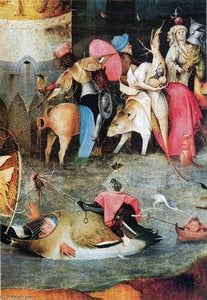
Bosch művészetének azonnal felismerhető jellegét a részletesség és a szokatlanul izzasztó képek keveredése alkotja. Elsősorban olajfestményeket készített, melyek az akkor akkori technikáit tükrözik, fényes színeket és bonyolult textúrákat hozva létre. Bár korai művei befolyásolttatók a holland reneszánszi festészet hagyományait – elsősorban a realisztikus megközelítést és a részletekre való figyelmet –, hamarosan lépett túl az egyszerű utánoztatás fölött, egy mélyen eredeti látásmódot alakított ki. Képei nem csupán valóságot ábrázolnak; allegorikus tájak, melyek bizarr lényekkel, hibrid lényekkel és zavaró jelenetekkel teli – olyanok, mint a rémálmokból származtak. A vallásos témák uralják alkotásait, de gyakran nem egyértelmű bibliai történeteket mutatnak be. Bosch inkább szimbolikus elemeket használ a komplex morális és teológiai kérdések feltárására, gyakran a bűn, az édesatlan örömök törékenysége és a végül bekövetkező Isten ítélése körüli vitákra fókuszálva. A teremtményei – ijesztő démonok, félelemre kelt állatok és furcsa emberi alakok – nem csupán díszítőelemek; ők a rossz sorsát, a szenvedélyt és a lelki korrupciót testesítik meg. A szent és a profán világ keveredése, a széprendő és a groteszk kombinációja egyedülállóan zavaró hatást kelt, melyet ma is csodálkozik a nézők.
A Legkiemelkedőbb Művei
Bosch legbefolyásosabb alkotásai közé tartozik A Földi Paradicsom kertje (c. 1490-1510), egy triptichon, mely a művészettörténet egyik legrejtettebb és legvitát ébresztőbb alkotása. A megnyitásakor egy paradicsomi látványt nyújt, mely tele van bizarr lényekkel és zöldellő növényzetet, de az alsó panelben egy szenzációra hajlamos, örömvadász világot ábrázol, míg a jobb oldali panel pedig a pokol ijesztő látleleteit mutatja be. A triptichon nem csupán egy egyszerű kép, hanem egy összetett alegória az emberi alkuról. A Legutóbbi ítélet (c. 1480-1490) pedig a mennyei boldogságot és az égő pokol démonikus jeleneteit mutatja be. A kisebb méretű alkotások, mint például Az Építkező (c. 1495), szintén kiemelkednek Bosch innovatív olajfestési technikáival és a komplex szimbolikával, melyek egy olyan gondolkodó fejét tükröznek, aki folyamatosan foglalkozott hitbeli, erkölcsi és pszichológiai kérdésekkel.
Hagyatéka és Folyamatos Hatása
Bosch hatásának azonosítása nehéz feladat, hiszen a művész látásmódja egyedülálló. A történészek többek között a középkorszak folklorikus elemeit, vallási szövegeket – különösen az apokalipszis témájú írásokat –, és az időszak jellemző aggodalmakat, mint például a herettség és társadalmi felzárkóztatást vették figyelembe. Azonban egyértelműen kijelenthető, hogy ezeket a tényezőket ötvözte Bosch, így létrehozva valami teljesen újat és egyedülállóat. Művészetének hatása kétségbeesett. Pieter Bruegel the Elder közvetlenül követte nyomát, hasonló témákat és kompozíciós technikákat alkalmazva, míg későbbi művészeti mozgalmak, mint például a szürrealizmus is merített Bosch álomszerű képeiből és a tudatvizsgálás megközelítéséből. Művei ma is vonzzák a figyelmet és felvetik a kérdéseket, biztosítva Bosch helyét a holland festészet mesterek között és egy olyan művésznek, akinek hatása messze túlmutat az életére. Képei értékes betekintést nyújtanak a 15. század végének és a 16. század elejének vallási, társadalmi és pszichológiai légkörébe, kihívva a hagyományos normákat és újakra irányítva az expresszió formáit.



 Megtekintés
 Kézzel festett másolat rendelése
 Küldés
 Megosztás
 Részletek

 Letöltés
 Hasonló darabok
 X-ray felvétel
 Diavetítés
 Statisztika


 Összes részlet megjelenítése






































 Az üvegkeretes opció csak 110 cm alatti méretben érhető el