


 Olajfestmény vászononFalfeliratok és faldekorációFauvism
 1916Modern kor
 146.0 x 116.0 cm
Kézzel festett olajvastú vászon, az Ön által választott méretben és keretben, művészeink készítik meglévőre. ( Nyomat rendelése Kép letöltése)





























Válasszon előre meghatározott méreteink közül, amelyek megfelelnek a műalkotás eredeti arányainak.

Ön megadhat saját méreteket egy adott kerethez vagy térhez igazításhoz. Ha a kiválasztott méret nem egyezik az eredeti kép arányával, akkor a műalkotást levágjuk, vagy további kézzel festett elemekkel meghosszabbítjuk a festményt. A gyártás megkezdése előtt küldünk Önnek egy digitális előnézetet jóváhagyásra.
Kérjük, vegye figyelembe, hogy a képernyőn megjelenő előnézet nem tükrözi a tényleges vágást vagy kiterjesztést. Csak az előnézet fog pontosan mutatni a végső kompozíciót.
Bár egyedi méretek állnak rendelkezésre, javasoljuk, hogy válasszon egy méretet az előre meghatározott listából az eredeti arányok megőrzése érdekében.
Világszerte elérhető szállítás () 3-4 hét alatt a szokásos 5 hét helyett. (6 szeptember). A minőség nem kérdőjelezhető.


The Window
Reprodukció mérete
Henri Matisse’s "The Window," created in 1916, is a captivating example of Fauvism, showcasing the artist's unique approach to capturing a tranquil interior scene through bold colors and thoughtful composition. This oil on canvas masterpiece, measuring 146 x 116 cm, resides within the esteemed collection of the Musée National d’Art Moderne in Paris, offering a glimpse into Matisse’s innovative artistic journey.
Emerging in the early 20th century, Fauvism was a revolutionary movement that sought to liberate art from traditional representational constraints. Artists like Matisse and André Derain boldly employed unnatural colors not to depict reality accurately but to evoke emotions and express inner experiences. This daring approach marked a significant departure from established artistic norms and paved the way for subsequent movements such as Cubism and Abstract Art, fundamentally altering the course of modern art history.
"The Window" presents a serene interior scene characterized by its harmonious color palette and carefully arranged elements. The dominant blue hue of the wall creates a soothing atmosphere, while the window itself acts as a focal point, symbolizing transition between the interior world and the exterior landscape—a common motif in art representing hope or escape. Furnishings within the room – two chairs, one near the left side and another subtly placed in the background, along with a central dining table surrounded by chairs – contribute to a sense of domesticity and quiet contemplation. Two vases add touches of elegance and decorative detail. The composition isn't about precise realism; instead, Matisse captures the essence of the moment, prioritizing feeling over meticulous detail.
Matisse’s technique in "The Window" exemplifies his mastery of color and composition, hallmarks of the Fauvist style. The painting is characterized by bold brushstrokes and vibrant colors that create a dynamic yet harmonious visual experience. He skillfully balances simplicity with complexity through the arrangement of furniture and decorative elements within the room. Notice how he uses flat planes of color rather than creating depth through traditional perspective techniques—a signature element of his approach to Fauvism.


1869 - 1954 , Franciaország
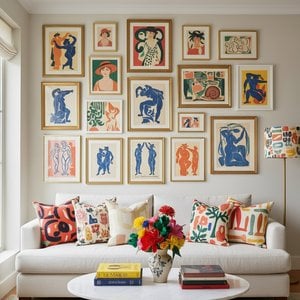
Fedezze fel Henri Matisse 25 legikonikusabb művét! Ismerje meg a fauvizmus színeit, az expresszionizmus formáit és a modern művészet mesterének életművét. Vászonképek, nyomatok – inspiráció otthonába a WahooArt.com-on!
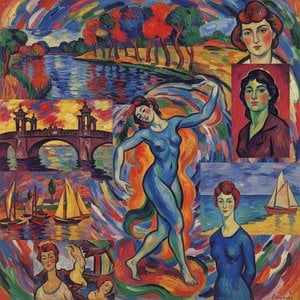
Fedezze fel a fauvizmus 10 legikonikusabb műalkotását! Matisse, Derain és más mesterek intenzív színeivel teli festményeinek története. Vásároljon minőségi art reprodukciókat a WahooArt.com-on, és hozza el az expresszionizmus vibráló világát otthonába! Fedezze fel teljes kollekciónkat online.
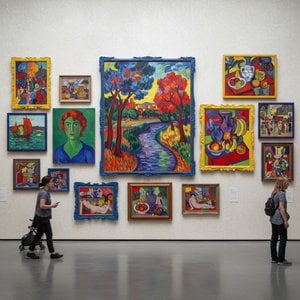
Fedezze fel a Fauvizmus 10 legikonikusabb műalkotását! Matisse, Derain és más festők színes világa várja Önt. Ismerje meg a modern művészet történetét és inspirálódjon otthona dekorációjához. WahooArt.com - Múzeumi minőségű reprodukciók online!

Fedezze fel a 10 legikonikusabb festményt, melyeket a Slate Blue szín ural! Monet, Renoir és más mesterek művei inspirálnak. Vászonképek eladás, otthon dekoráció tippek a WahooArt.com-on. Explore the full collection online!
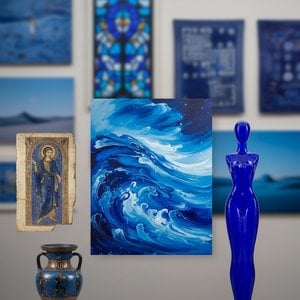
Explore the rich history of blue in art! Discover its symbolism, from ancient pigments to modern masterpieces by Kandinsky & Seurat. Uncover the psychological impact and cultural meanings behind this captivating hue.

 Megtekintés
 Küldés
 Megosztás
 Részletek

 Letöltés
 Hasonló darabok
 X-ray felvétel
 Diavetítés
 Összes részlet megjelenítése







 Az üvegkeretes opció csak 110 cm alatti méretben érhető el


