


 Olajfestmény vászononFalfeliratok és faldekorációSzellemzőművészlét
 1946Modern kor
 116.0 x 81.0 cm
Múzeumi minőségű giclée vagy vászonnyomat, gyors gyártással és rugalmas finomítási lehetőségekkel. ( Kézzel festett másolat rendelése Kép letöltése)





























Válasszon előre meghatározott méreteink közül, amelyek megfelelnek a műalkotás eredeti arányainak.

Megadhat saját méreteket is egy konkrét kerethez vagy helyszínhez igazítva. Amennyiben a kiválasztott méret nem egyezik az eredeti kép arányokkal, a műalkotást le fogjuk vágni, vagy kiegészítjük a képet tükrözött vagy egyszínű szélekkel. A gyártás megkezdése előtt egy digitális tervezetet küldünk jóváhagyásra.
Kérjük, vegye figyelembe, hogy a képernyőn látható előnézet nem tükrözi a tényleges levágást vagy kiegészítést. Csak a tervezet mutatja pontosan a végső kompozíciót.
Bár az egyedi méretek is elérhetőek, az eredeti arányok megőrzése érdekében azt javasoljuk, hogy válasszon a előre meghatározott listából származó méretet.
Világszerte történő kiszállítás területére mindössze 2 hét alatt, a szokásos 4-5 hét helyett. (6 szeptember)


Ázsia
Reprodukció mérete
Henri Matisse's “Asia,” painted in 1946, isn’t merely a depiction of a woman; it’s an immersion into a world of vibrant color, fluid form, and profound contemplation. This late masterpiece, residing within the hallowed halls of the Kimbell Art Museum in Fort Worth, Texas, represents a culmination of Matisse's lifelong exploration of the female figure – a subject he approached with both reverence and audacious experimentation. The painting immediately captivates with its bold palette: a fiery red dominates the background, not as a simple hue but as an active force, pulsating with warmth and inviting the eye to wander across its textured surface. This intense crimson is juxtaposed against the cool blues and purples of the woman’s gown, creating a dynamic tension that speaks volumes about Matisse's masterful control over color relationships.
At first glance, “Asia” appears deceptively simple – a seated figure draped in luxurious fabrics, adorned with pearls and beads. However, closer inspection reveals layers of intricate detail and subtle shifts in tone. The woman’s pose is relaxed yet dignified, her gaze directed towards an unseen point beyond the canvas. Her features are rendered with remarkable economy, relying on carefully placed lines and shadows to convey a sense of serenity and inner strength. Matisse's technique here isn’t about meticulous realism; it’s about capturing the *essence* of his subject – her spirit, her mood, her presence. The brushstrokes themselves are loose and expressive, contributing to the painting’s overall feeling of spontaneity and movement.
“Asia” firmly anchors itself within the legacy of Fauvism, an artistic movement that Matisse himself pioneered in the early 20th century. Fauves – meaning “wild beasts” – rejected the muted tones and academic conventions of their predecessors, embracing instead a riot of color and a disregard for traditional perspective. Matisse’s use of intense reds, blues, and greens is a direct descendant of this revolutionary approach. Yet, unlike some of his Fauvist contemporaries, Matisse tempered his bold palette with a deep understanding of composition and form. “Asia” demonstrates this balance perfectly – the vibrant colors are not jarring or chaotic but harmoniously integrated into a carefully constructed whole.
The painting’s genesis is intertwined with Matisse's relocation to Vence, on the French Riviera, in 1943. This idyllic setting profoundly influenced his work during those final years of his career. The light, the colors, and the atmosphere of the Mediterranean landscape permeated his paintings, imbuing them with a sense of warmth, tranquility, and timelessness. “Asia” embodies this Vence spirit – it’s a painting that feels both intensely personal and universally resonant.
The title itself, "Asia," invites speculation about its symbolic meaning. While Matisse never explicitly addressed the painting's symbolism, art historians have proposed several interpretations. Some suggest that “Asia” represents a longing for exotic lands and cultures – a desire to escape the constraints of European society. Others see it as a meditation on femininity, beauty, and spirituality. The woman’s attire—a rich purple gown adorned with pearls and beads—evokes images of royalty, luxury, and ancient civilizations. These details contribute to the painting's aura of mystery and allure.
The scattered pearls throughout the composition are particularly significant. They represent not only wealth and status but also purity, innocence, and spiritual enlightenment. Their placement within the painting creates a subtle visual rhythm, drawing the eye across the canvas and adding another layer of complexity to its meaning. The overall effect is one of quiet contemplation—a suggestion that “Asia” invites us to pause, reflect, and consider the deeper questions of life.
“Asia” by Henri Matisse transcends mere representation; it’s a profound exploration of color, form, and human emotion. Its vibrant palette, fluid brushstrokes, and evocative symbolism combine to create a painting that is both visually stunning and deeply moving. It stands as a testament to Matisse's genius – his ability to capture the essence of beauty in all its forms. Whether you’re an art enthusiast, a collector seeking a statement piece, or simply someone looking for a work of art that can uplift the soul, “Asia” is a masterpiece well worth experiencing.


1869 - 1954 , Franciaország

Discover the breathtaking allure of Art Deco. Explore the era's iconic geometry, legendary designers like Erté, and timeless glamour. Perfect for discerning collectors seeking to infuse their spaces with sophisticated modernist elegance and historical prestige.
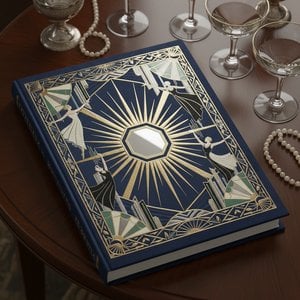
Discover the allure of Art Deco through a curated guide to its most iconic masterpieces. Explore the elegance of Erté and the innovation of Jean Dunand, perfect for collectors seeking timeless glamour and sophisticated design inspiration.
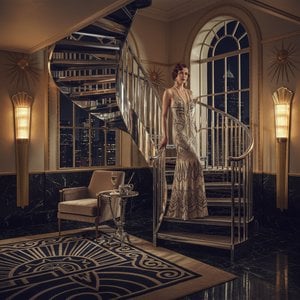
Discover the allure of Art Deco style with our expert guide to luxury interiors. Explore iconic influences from Erté to Jean Dunand and learn to curate a sophisticated space filled with timeless glamour and geometric elegance.

Explore the vibrant revolution of Fauvism. Discover how masters like Matisse liberated color to redefine modern art. Dive into an expert-led journey through the 'Wild Beasts' movement and learn how to bring this bold, expressive energy into your personal collection.
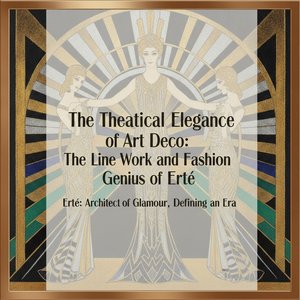
Discover the unparalleled elegance of Art Deco through the lens of Erté. Explore a masterclass in linear precision, theatrical costume design, and high-fashion illustration that continues to define modern luxury and sophisticated interior aesthetics.

 Megtekintés
 Küldés
 Megosztás
 Részletek

 Letöltés
 Hasonló darabok
 X-ray felvétel
 Diavetítés
 Összes részlet megjelenítése







 Az üvegkeretes opció csak 110 cm alatti méretben érhető el


