Megtekintés AR előnézet Váltás nyomtatványra Kézzel festett másolat rendelése Küldés
Részletek Útmutató Kedvencekhez ad Letöltés Hasonló darabok X-ray felvétel Diavetítés Q&A Statisztika

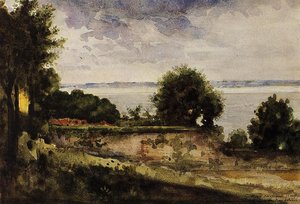
La Chimère

Discover Gustave Moreau’s ‘La Chimère,’ a haunting Romantic landscape featuring a nude figure in a rocky stream. Explore oil on canvas beauty, classical influence & timeless symbolism.

Fedezd fel Gustave Moreau szimbolikus világát! A 19. századi francia festő, aki mitológiai és vallási témákkal alkotott, a képzelet és az álom mestere. Érdemes megnézni a 'Salomé táncol előtted Hérodé' művét!

Szerezzen be nyomtatásra kész fájlt, amely messze túlmutat a webes előnézeten. Minden általunk értékesített digitális kép az adatbázisunkban található nagy felbontású mesterfájlból származik – általában 5 000 és 15 000 pixel szélességű –, így magabiztosan nyomtathat nagy méretben, sokat vághat a képen, vagy reprodukálhatja a legfinomabb részleteket is.

Stúdiómból egyetlen fájl sem távozik feltartózkodás nélkül. Egy digitális szakértő az eredeti festménnyel összehasonlítja a színeket, és szükség esetén korrigálja azokat, majd professzionális retusználó eszközökkel javítja a tisztaságot és a részletgazdagságot — miközben mindig hű marad a művész vonalvezetéséhez és stílusához. Az eredmény egy olyan kép, amely úgy néz ki, mint egy festmény, és nem úgy, mint egy szűrőzött szkenn.

A végső munka befejezése előtt jóvá kell hagynia a képet: szakértőnk 72 órán belül elküldi azt e-mailben ellenőrzésre. Nem tetszett? Kérhet javításokat vagy korrekciókat, illetve visszatérítést kérhet, amennyiben a minőség nem felel meg az elvárásoknak.

Ez az a minőség, amelyre a kiadók, a design stúdiók, a galériák és a nyomdaték megbízhatnak.

Digitális kép

Töltsön le nagy felbontású fájlt személyes kiállításokhoz, nyomtatáshoz és kreatív projektekhez. ( Váltás nyomtatványra Kézzel festett másolat rendelése)

Összesített ár

Ft 8154,05

Minden digitális kép rendeléséhez tartozó extrák

Szakértői digitális kézbesítés, garantáltan

Amikor a WahooArt.com szolgáltatást választja, nem csupán egy képet kap – professzionálisan felmagasított digitális műalkotást kap, amely precizitással készült, és amelyet megelégsedési gwarancia tesz biztoslássá. Az alábbiakban automatikusan minden benne 】

Gyors e-mail teslimítés

A nagy felbontású digitális képmásolatát a megrendelést követő 72 órán belül e-mailben elküldjük Önnek – azonnal használható formátumban.

MI-alapú digitális fájljavítás

Műve professzionális módon kerül optimalizálásra fejlett mesterséges intelligencia eszközök és manuális szerkesztés segítségével, biztosítva a maximális részletességet, tisztaságot és színpontosságot.

Örök életű ingyenes újradelivery

Véletlenül törölted vagy elvesztetted a fájlodat? Ne aggódj – bármikor ingyen újra megküldjük neked.

Nincs importköltség – soha

Élvezze műalkotásait azonnal, vám, illeték vagy szállítási költség nélkül – a digitális letöltések mindig adamentesek.

Színpontosság garantálása

Professzionális eszközök és színkezelés segítségével garantáljuk, hogy digitális képe a lehető legpontosabban tükrözze az eredeti színeket.

100 napos elégedettségi garancia

Ha nemມີ elégedett a digitális képével, 100 napon belül felülvizsgáljuk vagy 100% visszatérítjük az amountot – kérdés बिना.

100% Pénzvisszatérítési garancia

Nem tetszett a vásárlás? 100 napon belül teljes visszatérítést garantálunk a digitális fájl megvételétől számítva – kérdés nélkül.

Tömegrendelési kedvezmények

Vásároljon 3 képet, spóroljon 10%-et - Vásároljon 5-öt, spóroljon 15%-et - Vásároljon 10+ képet, spóroljon 20%-at. Kiváló kreatív projektekhez, galériákhoz és ügynökségekhez.

Gyors információk

  • Title: La Chimère
  • Location: Musée national Gustave Moreau
  • Influences: Matisse
  • Artistic style: Romanticism
  • Movement: Symbolism

Művészeti kvíz

Minden kérdésre csak egy helyes válasz létezik.

Kérdés 1:
What artistic movement is Gustave Moreau’s ‘La Chimère’ primarily associated with?
Kérdés 2:
The painting utilizes a technique characterized by visible brushstrokes, contributing to what visual quality?
Kérdés 3:
What is the dominant color palette employed in ‘La Chimère’?
Kérdés 4:
The composition emphasizes the central figure and surrounding landscape elements. What is the primary purpose of this arrangement?
Kérdés 5:
Symbolically, ‘La Chimère’ explores themes related to which of the following concepts?

A Dreamscape of Symbolism: The Enigma of La Chimère

In the quiet, evocative depths of Gustave Moreau’s La Chimère, the boundaries between the tangible world and the subconscious dissolve into a breathtaking vision of Romanticism. This masterpiece is far more than a mere landscape; it is an invitation to wander through a psychological dreamscape where myth and reality intertwining. At its heart lies a reclining nude figure, poised with a grace that feels both eternal and fragile, nestled within a rugged, primordial setting of rocky streams and shadowed pools. The composition draws the viewer into a state of profound introspection, as if we have stumbled upon a sacred, hidden sanctuary untouched by the passage of time. For the discerning collector or interior designer, this piece offers an unparalleled sense of mystery, acting as a focal point that commands attention through its quiet, melancholic beauty.

The technical mastery displayed in this work is nothing short of extraordinary, showcasing Moreau’s ability to manipulate oil on canvas to achieve a tactile, luminous quality. The artist employs thick, impasto brushstrokes that lend a sculptural depth to the terrain, making the jagged edges of the rocks and the soft curves of the female form feel palpably real. This textured approach creates a dynamic interplay of light and shadow, known as chiaroscuro, which bathes the scene in a dramatic, atmospheric glow. The color palette is masterfully restrained, relying on earthy tones of ochre, deep brown, and slate gray, punctuated by muted reds that suggest a pulse of life beneath the surface. Such richness in texture and tone ensures that a high-quality reproduction retains the soul of the original, bringing a sophisticated, classical weight to any curated space.

Symbolism and the Soul of the Romantic Era

To understand La Chimère is to understand the heart of the Symbolist movement. Moreau, often hailed as the "painter par excellence" of Symbolism, sought to move beyond the objective realism of his contemporaries to capture the unseen—the spiritual, the mythological, and the emotional. The title itself evokes the legendary creature of myth, representing a fusion of disparate elements, much like the painting’s own blend of classical beauty and turbulent Romantic energy. The central figure serves as a vessel for themes of mortality, solitude, and the profound connection between humanity and the untamed natural world. There is a palpable sense of solitude in the work, yet it is not a lonely silence; rather, it is a fertile, contemplative stillness that invites the viewer to reflect on their own inner landscapes.

For those looking to integrate fine art into a modern or classical interior, this painting provides a bridge between eras. Its ability to evoke a sense of timelessness makes it an ideal choice for spaces designed for relaxation and thought, such as libraries, study alcoves, or master suites. The artwork does not merely decorate a wall; it transforms the atmosphere of a room, infusing it with a sense of historical depth and intellectual intrigue. By bringing La Chimère into a home, one acquires more than a beautiful image—one invites a piece of the nineteenth-century's most profound spiritual inquiry into the sanctuary of the everyday.

Kérdések és válaszok

Mely korszakban készült a „La Chimère”, Gustáv Moreau alkotása?

A "La Chimère" a 19th Century korszak alkotása.

Szabadon reprodukálható-e a/az „La Chimère”, Gustáv Moreau alkotása képe?

A szerzői jogokkal kapcsolatban a "La Chimère" mű közösségi tulajdon – a szerzői jog lejártt.

A Gustáv Moreau alkotása, a "La Chimère", a jogi szabadhasználatban (public domain) áll-e, és miért?

Gustáv Moreau alkotása, a "La Chimère", közösségi tulajdon – a szerzői jog lejártt státuszban van. A szerzői jogi védelem a művész halálától számítod, Gustáv Moreau pedig 1898 évben hunyt meg.


Művész életrajza

A Dream Weaver of Symbolism: The Life and Art of Gustave Moreau

Gustave Moreau, a name inextricably linked to the ethereal beauty and profound mysteries of Symbolist painting, emerged from 19th-century Paris as an artist utterly distinct in his vision. Born in 1826 into a comfortable bourgeois family—his father a respected architect and archivist—Moreau’s early life was steeped not just in material comfort, but also in a deep appreciation for art and intellectual curiosity. From a remarkably young age, he displayed a prodigious talent for drawing, nurtured initially through traditional academic training at the École des Beaux-Arts under the guidance of figures like François-Édouard Picot. However, Moreau’s artistic trajectory swiftly diverged from the prevailing Realist and Impressionist currents dominating his time; he possessed little interest in capturing fleeting moments or rendering objective reality. Instead, he was driven by a profound desire to unlock the hidden realms of myth, religion, and the intricate workings of the human psyche – translating these inner landscapes onto canvas through a meticulously detailed and intensely colored visual language. His artistic journey became an inward exploration, a process of distilling subjective emotions and spiritual yearnings into tangible forms, employing an obsessive attention to detail and a palette often rich with opulent hues.

The Forge of Imagination: Influences and Artistic Development

Moreau’s artistic development wasn't forged in isolation; rather, it blossomed from a confluence of diverse influences. While consciously rejecting the dominant trends of his era, he drew inspiration from a remarkably broad range of sources. The dramatic use of color and exotic subject matter found in the works of Eugène Delacroix ignited within him a passionate fascination with narrative painting imbued with intense emotional resonance. He held Renaissance masters—Michelangelo and Leonardo da Vinci, in particular—in the highest esteem, deeply admiring their mastery of composition, anatomical precision, and their remarkable ability to penetrate the complexities of human psychology. Yet, Moreau’s genius lay not merely in imitation; he skillfully synthesized these influences – the dynamism of Delacroix, the anatomical rigor of the Renaissance giants – into something entirely new and uniquely his own. His pivotal journey to Italy during the 1850s proved transformative, immersing him completely within the art of antiquity and the Italian Renaissance. This experience provided a veritable treasure trove of motifs, stylistic cues, and artistic precedents that would subsequently populate his future works. Moreau meticulously copied Old Master paintings – not as mere reproductions, but as a deliberate process of absorbing their techniques, understanding their compositional strategies, and unlocking the secrets behind their enduring power. He sought to distill the essence of these masterpieces, translating them into his own distinctive visual vocabulary.

A World of Symbols: Themes and Techniques

Moreau’s paintings are not simply illustrations of myths or biblical stories; they are complex allegories designed to provoke contemplation and invite multiple interpretations. He didn't approach narratives like those of Salome, Orpheus, Jupiter and Semele, or countless others, with a desire to retell them literally. Instead, he delved into their underlying psychological and spiritual truths – exploring themes of temptation, loss, redemption, beauty, and the eternal struggle between good and evil. His canvases are often teeming with symbolic imagery: serpents representing deceitful desires, jewels embodying earthly vanities, and figures embodying abstract concepts such as grief, longing, or divine grace. Moreau masterfully created an atmosphere of dreamlike enchantment through intricate detail, rich textures, and a frequently unsettling juxtaposition of light and shadow. His technique was characterized by a painstaking layering of paint—a deliberate process that built up surfaces shimmering with iridescent colors and evoking a profound sense of otherworldliness. The strategic use of gold leaf further amplified this effect, lending his works a Byzantine quality that underscored their spiritual dimension. Crucially, Moreau wasn’t primarily concerned with capturing realistic textures or perspectives; instead, he prioritized the expressive power of color and form to convey mood, emotion, and deeper meaning.

Legacy and Influence: The Enduring Power of Symbolism

Though initially met with mixed reactions from the Parisian art establishment, Gustave Moreau gradually gained recognition as a central figure in the burgeoning Symbolist movement during the 1890s. Unlike some of his contemporaries who actively sought public acclaim, he remained largely reclusive, preferring to dedicate himself entirely to his artistic practice within the confines of his studio and home. However, his influence was undeniable. In 1893, he accepted a prestigious professorship at the École des Beaux-Arts, where he profoundly impacted generations of aspiring artists – including Henri Matisse and Georges Rouault – encouraging them to embrace imagination, symbolism, and individual expression, urging them to break free from conventional artistic constraints. Moreau’s legacy extends far beyond his own lifetime. His paintings continue to resonate with audiences today, offering glimpses into the hidden depths of the human soul and reminding us of the transformative power of art to transcend the boundaries of reality. The Musée Gustave Moreau, housed within his former studio and home in Paris, stands as a poignant testament to his enduring artistic vision—a sanctuary where visitors can immerse themselves fully in the captivating world of this extraordinary artist.

Notable Works

  • Salome Dancing before Herod: Perhaps his most iconic work, this painting exemplifies Moreau’s opulent style and his fascination with biblical narratives, capturing a moment of both beauty and impending doom.
  • Jupiter and Semele: A dramatic depiction of the Greek myth, showcasing Moreau's exceptional skill in composition, color orchestration, and conveying a sense of overwhelming power.
  • Orpheus: Several paintings by Moreau explore the myth of Orpheus, reflecting themes of loss, grief, artistic inspiration, and the bittersweet nature of beauty.
  • The Apparition: Demonstrates his ability to create ethereal and otherworldly scenes, often imbued with a sense of mystery and melancholy.
  • Desdemona: A poignant portrayal of Shakespeare’s tragic heroine, capturing her despair and vulnerability with remarkable sensitivity.
Gustáv Moreau

Gustáv Moreau

1826 - 1898 , Francia

Érmeradatok

  • Artistic Movement Or Style: Szimbolizmus
  • Artists Or Movements Influenced By This Artist:
    • Matisse
    • Rouault
  • Artists Who Influenced This Artist:
    • Delacroix
    • Michelangelo
    • Da Vinci
  • Date Of Birth: 1826. április 6.
  • Date Of Death: 1898. április 18.
  • Full Name: Gustave Moreau
  • Nationality: Francia
  • Notable Artworks:
    • Salomé táncol
    • Jupiter és Semele
    • Orfeusz
    • A megjelenés
    • Desdemona
  • Place Of Birth: Párizs, Franciaország