

Múzeumi minőségű giclée vagy vászonnyomat, gyors gyártással és rugalmas finomítási lehetőségekkel. ( Kézzel festett másolat rendelése Áttérés digitális képre)





























Válasszon előre meghatározott méreteink közül, amelyek megfelelnek a műalkotás eredeti arányainak.

Írja be a keretének vagy a falának megfelelő szélességet és magasságot. A nyomatot csak le lehet vágni, soha nem tehető nagyobbá, mint az eredeti kép, így egy eltérő alakú méretnél a kép egy része elveszik. Mielőtt bármit kinyatintanánk, küldünk egy digitális próbamodellt jóváhagyásra. Az oldalon látható kép nem tartalmazza a valós levágást — ezt csak a próbamodell mutatja meg.
Világszerte történő kiszállítás területére mindössze 2 hét alatt, a szokásos 4-5 hét helyett. (1 november)
Youth
Reprodukció mérete
Gustav Klimt’s “Youth,” completed in 1882, stands as a cornerstone of Viennese Secessionist art—a movement that irrevocably challenged the conventions of academic painting and ushered in an era of bold experimentation. This striking monochrome drawing captures a moment frozen in time: two women positioned before a monumental statue, embodying idealized femininity and intellectual contemplation.
“Youth” emerged during a period of profound intellectual ferment in Vienna—the Austro-Hungarian Empire was grappling with rapid industrialization and social change. Klimt’s Secessionists rejected the rigid hierarchies of academic art, advocating for artistic freedom and embracing influences from Byzantine mosaics and Celtic ornamentation. This stylistic rebellion signaled a decisive break from tradition, establishing Klimt as a pivotal figure in shaping the visual landscape of the late nineteenth century.
The pervasive use of floral motifs throughout “Youth” speaks volumes about Klimt’s preoccupation with symbolism. Flowers represent rebirth, purity, and divine grace—concepts deeply rooted in Christian iconography but reimagined through a distinctly pagan lens. The statue before which the women stand symbolizes strength and permanence, juxtaposed against the vulnerability embodied by the infant child. This deliberate contrast underscores Klimt's exploration of duality—the interplay between masculine and feminine energies, earthly existence and spiritual aspiration.
"Youth" transcends mere representation; it aspires to capture a state of profound emotional depth. Klimt’s masterful draughtsmanship conveys an aura of serenity and contemplation, inviting viewers to contemplate the beauty of innocence and the promise of artistic creativity. The drawing's understated elegance—its deliberate avoidance of flamboyant ornamentation—further enhances its impact, leaving behind a lasting impression of timeless grace and intellectual curiosity.
A "Youth" alkotásban egy Statement kontraszt párosul egy Unified Palette harmóniával.
Gustáv Klimt a következő más néven is ismert: Gustav Klimt.
A „Youth” nyomtatvány ajánlott felhasználása: Accent.


1862 - 1918 , Ausztria

Explore the profound impact of the Vienna Secession movement. Discover how visionaries like Gustav Klimt revolutionized modern art through symbolism, gold leaf, and bold ornamentation in this deep dive into the aesthetic revolution that redefined the visual landscape of Europe.
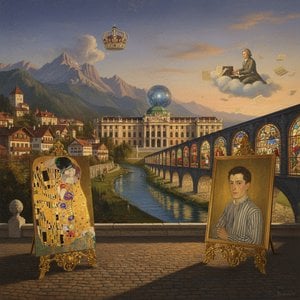
Embark on a sophisticated journey through Austrian art history. Explore the golden brilliance of Gustav Klimt and the elegance of the Vienna Secession through an expert lens, celebrating the enduring soul of Central European masterpieces.

Discover the exquisite world of Art Nouveau. Explore the elegant fusion of nature and design through architectural masterpieces, organic forms, and the legendary masters of the Belle Époque. Immerse yourself in a journey of timeless sophistication and ornamental beauty.

Embark on a sophisticated journey through the splendor of Austrian art. From Gustav Klimt’s golden masterpieces to the elegance of the Viennese Secession, discover the history and symbolism behind Europe's most iconic works for the discerning collector.
 Megtekintés
 Küldés
 Megosztás
 Részletek
 Útmutató

 Letöltés
 Hasonló darabok
 X-ray felvétel
 Diavetítés
 Q&A
Q&A Statisztika


 Összes részlet megjelenítése









 Az üvegkeretes opció csak 110 cm alatti méretben érhető el


