


Kézzel festett olajvastú vászon, az Ön által választott méretben és keretben, művészeink készítik meglévőre. ( Nyomat rendelése Kép letöltése)





























Válasszon előre meghatározott méreteink közül, amelyek megfelelnek a műalkotás eredeti arányainak.

Ön megadhat saját méreteket egy adott kerethez vagy térhez igazításhoz. Ha a kiválasztott méret nem egyezik az eredeti kép arányával, akkor a műalkotást levágjuk, vagy további kézzel festett elemekkel meghosszabbítjuk a festményt. A gyártás megkezdése előtt küldünk Önnek egy digitális előnézetet jóváhagyásra.
Kérjük, vegye figyelembe, hogy a képernyőn megjelenő előnézet nem tükrözi a tényleges vágást vagy kiterjesztést. Csak az előnézet fog pontosan mutatni a végső kompozíciót.
Bár egyedi méretek állnak rendelkezésre, javasoljuk, hogy válasszon egy méretet az előre meghatározott listából az eredeti arányok megőrzése érdekében.
Világszerte elérhető szállítás () 3-4 hét alatt a szokásos 5 hét helyett. (6 szeptember). A minőség nem kérdőjelezhető.


Nature studies (8)
Reprodukció mérete
Giuseppe Arcimboldo (1527 – 1593), Milanese artist, stands apart from his contemporaries not merely for his innovative technique but for the sheer audacity of his artistic vision. While celebrated for grand frescoes adorning churches and stately portraits reflecting aristocratic patronage, Arcimboldo’s fame rests primarily on a series of astonishing composite heads—remarkable sculptures crafted entirely from meticulously arranged fruits, vegetables, flowers, books, and musical instruments.
These weren't frivolous conceits; they were profound meditations on the relationship between humanity and nature, executed within the intellectual framework of the Renaissance. Arcimboldo’s approach challenged conventional artistic conventions by prioritizing observation and symbolic representation over idealized beauty—a deliberate departure from the prevailing Mannerist style that favored stylized forms and exaggerated poses.
Considered a pioneer in trompe-l’œil—the art of illusion—Arcimboldo achieved an unparalleled feat of artistic deception. By transforming disparate elements into a unified whole, he demonstrated the transformative power of imagination and challenged viewers to reconsider their perceptions of reality. The resulting images possess an undeniable emotional resonance – conveying not just visual splendor but also a deep appreciation for the interconnectedness of all living things.
More than simply decorative artworks, Arcimboldo’s portraits are enduring reminders of the Renaissance spirit—a testament to human ingenuity and a celebration of the beauty inherent in the natural world. They continue to inspire artists and collectors alike, securing their place as icons of artistic innovation and intellectual enlightenment.


1527 - 1593 , Olaszország

Discover the ethereal beauty of watercolor through an art-historical lens. Master the delicate balance of light, fluidity, and pigment to capture the luminous essence of nature, inspired by the legendary techniques of the Old Masters and Impressionist greats.
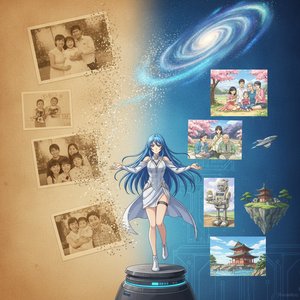
Step into the spotlight with WahooArt's AI-driven transformation. Turn your photos into stunning, hand-painted anime oil masterpieces. Experience the perfect fusion of cutting-edge technology and museum-grade craftsmanship to create a timeless pop-culture legacy for your home.
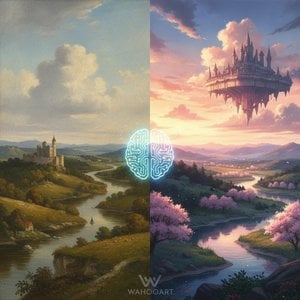
Transform your photos into high-octane action anime masterpieces with WahooArt. Our expert artists blend AI innovation with traditional oil painting to create premium, hand-painted pop culture legacies for your home. Experience museum-quality craftsmanship and a 100% satisfaction guarantee.

Discover the ethereal beauty of premium watercolor reproductions and bespoke commissions at WahooArt. From museum-quality landscapes to custom AI-enhanced portraits, our master artists deliver unparalleled craftsmanship and white-glove service for discerning collectors worldwide.

 Megtekintés
 Küldés
 Megosztás
 Részletek

 Letöltés
 Hasonló darabok
 X-ray felvétel
 Diavetítés

 Összes részlet megjelenítése







 Az üvegkeretes opció csak 110 cm alatti méretben érhető el


