x
MegtekintésMegtekintés Műalkotás AR előnézeteMűalkotás AR előnézete Kézzel festett másolat rendelése Kézzel festett másolat rendeléseKép letöltése Kép letöltése KüldésKüldés

RészletekRészletek Kedvencekhez ad Kedvencekhez ad LetöltésLetöltés Hasonló darabokHasonló darabok X-ray felvételX-ray felvétel DiavetítésDiavetítés

Perspective View (Stage design)

Discover Canaletto's 'Perspective View (Stage design)': A captivating capriccio depicting a fantastical Roman Capitol stage set, showcasing intricate details and masterful perspective.

"Hungarian Meta Description": "Canaletto, a híres velencei festő, a 18. század egyik legkiemelkedőbb képviselője. A városlátkések, veduták műfaját árasztó részletességgel és precizséggel alkototta meg, a kamera obscura használatával."

Giclée / Műnyomat

Múzeumi minőségű giclée vagy vászonnyomat, gyors gyártással és rugalmas finomítási lehetőségekkel. (Kézzel festett másolat rendelése Kézzel festett másolat rendeléseKép letöltése Kép letöltése)

P118B $10
P118H $10
P118W $10
P438Z $10
P508JH $12
P508YH $12
P805H $10
P805Z $10
P919BZ $10
P919G $10
P919XJ $10
P959ZH $10
P968JZ $12
W106C $8
W218G $10
W218JH $8
W218Y $10
W307PJ $10
W316G $10
W316PJ $8
W316Y $10
W398PJ $8
W4111J $10
W500HY $15
W500JH $15
W692G $12
W849H $8
W940BG $15
W953PJ $8

Standard méret
egyedi méretű
CM
INCH

Válasszon előre meghatározott méreteink közül, amelyek megfelelnek a műalkotás eredeti arányainak.

szélesség
magasság

Megadhat saját méreteket is egy konkrét kerethez vagy helyszínhez igazítva. Amennyiben a kiválasztott méret nem egyezik az eredeti kép arányokkal, a műalkotást le fogjuk vágni, vagy kiegészítjük a képet tükrözött vagy egyszínű szélekkel. A gyártás megkezdése előtt egy digitális tervezetet küldünk jóváhagyásra.
Kérjük, vegye figyelembe, hogy a képernyőn látható előnézet nem tükrözi a tényleges levágást vagy kiegészítést. Csak a tervezet mutatja pontosan a végső kompozíciót.
Bár az egyedi méretek is elérhetőek, az eredeti arányok megőrzése érdekében azt javasoljuk, hogy válasszon a előre meghatározott listából származó méretet.

Világszerte történő kiszállítás területére mindössze 2 hét alatt, a szokásos 4-5 hét helyett. (5 szeptember)

why_choose_icon
Ingyenes globális expressz szállítás
why_choose_icon
Prémium minőségű len vászon
why_choose_icon
Teljes körű szállítási biztosítás
why_choose_icon
Vámvisszatérítési Garancia
why_choose_icon
Hiteles színpontosság garancia
why_choose_icon
60 napos visszaküldési lehetőség (csak hibás termékek esetén)
why_choose_icon
100% pénzvisszatérítési garancia
why_choose_icon
Több darab vásárlása esetén kedvezmény

Összesített ár

$ 68

reproduction

Perspective View (Stage design)

Giclée / Műnyomat

Reprodukció mérete

-

Összesített ár

$ 68

Gyors információk

  • Movement: Venetian School
  • Title: Perspective View (Stage design)
  • Medium: Oil on canvas
  • Notable elements or techniques: Perspective, foreshortening
  • Artistic style: Veduta, Capriccio
  • Artist: giovanni antonio canal

Művészeti kvíz

Minden kérdésre csak egy helyes válasz létezik.

Kérdés 1:
What is the primary subject depicted in ‘Perspective View (Stage design)’?
Kérdés 2:
The description mentions that the painting may have been created shortly after Canaletto’s stay in Rome. What does this suggest about its style?
Kérdés 3:
The painting features a prominent equestrian monument. What historical figure does it resemble?
Kérdés 4:
According to the description, what is a key characteristic of Canaletto’s style that has been debated by scholars?
Kérdés 5:
What type of perspective is prominently featured in ‘Perspective View (Stage design)’?

A Captivating Vision of Venetian Theatre

Canaletto’s “Perspective View (Stage Design)” is more than just a depiction of a bustling scene; it's a window into the vibrant theatrical culture of 18th-century Venice. Painted likely in the early 1720s, this capriccio – a term Canaletto himself employed for imaginary or idealized views – transports us to a fantastical Capitol, glimpsed through a grand loggia adorned with Corinthian columns and shimmering with golden ornamentation. The composition is anchored by an equestrian monument, reminiscent of Marcus Aurelius, rising majestically from the steps of a triumphal arch, creating a powerful sense of grandeur and historical resonance.

The painting’s genius lies not merely in its technical precision but also in its evocative atmosphere. Canaletto masterfully employs linear perspective to draw the viewer into this meticulously rendered space. The receding lines of the loggia, the diminishing scale of the statues, and the subtle shifts in light create a convincing illusion of depth, inviting us to step through the painted world and become part of the scene. Notice how he uses atmospheric perspective – distant elements are paler and less defined, contributing to the overall sense of vastness and theatrical spectacle.

The Artist’s Context: Canaletto and Venetian Topography

Giovanni Antonio Canal, known as Canaletto, was a pivotal figure in the development of topographical painting. Born in Venice in 1697, he initially trained under his father, Bernardo Canal, a stage designer for theatrical productions. This early experience instilled in him a deep understanding of perspective and spatial relationships – skills that would later define his remarkable career. Canaletto’s work was profoundly shaped by the bustling commercial activity of Venice, a city renowned for its trade and artistic patronage. He meticulously documented the city's canals, palaces, markets, and everyday life, creating a vast archive of visual records.

His approach differed significantly from earlier Venetian painters who focused primarily on religious or mythological subjects. Canaletto’s interest lay in capturing the tangible reality of Venice – its architecture, its people, and its atmosphere. This shift towards secular subject matter reflected a broader cultural trend during the 18th century, as artists increasingly sought to depict the world around them with greater accuracy and detail. The painting's attribution has been debated by scholars, but Stefano Susinno recognized it as a unique example in Canaletto’s oeuvre due to its drawing, points of light, and similarities to other capricci.

Symbolism and Theatrical Allusion

Beyond its technical brilliance, “Perspective View (Stage Design)” is rich in symbolic meaning. The equestrian monument, a reference to Roman emperors, suggests an ideal of leadership and power. The triumphal arch evokes the grandeur of ancient Rome, while the golden ornaments symbolize wealth and prestige. The inclusion of figures engaged in various activities – musicians, spectators, and performers – underscores the importance of theatre as a central element of Venetian society. It’s a scene brimming with life, energy, and the allure of entertainment.

Interestingly, scholars believe this painting may have been created shortly after Canaletto's stay in Rome (1718-1720), possibly inspired by the city’s ancient ruins and theatrical traditions. The presence of numerous architectural elements reminiscent of Roman antiquity suggests a deliberate attempt to evoke the spirit of the classical world.

A Legacy of Precision and Vision

“Perspective View (Stage Design)” stands as a testament to Canaletto's exceptional skill and artistic vision. It’s a captivating blend of realism, imagination, and theatricality – a painting that continues to delight and intrigue viewers centuries after its creation. Reproductions of this work offer a remarkable opportunity to experience the beauty and detail of Canaletto’s artistry in your own home or office, bringing a touch of Venetian elegance and historical grandeur to any space.


A művész életrajza

Early Life and Artistic Beginnings

Giovanni Antonio Canal, better known as Canaletto, was born on October 18, 1697, in the heart of Venice – a city that would forever shape his artistic vision. His early life unfolded within a family deeply rooted in the world of theatrical design; his father, Bernardo Canal, was a skilled painter specializing in creating elaborate backdrops and scenery for Venetian stage productions. This environment instilled in young Giovanni an appreciation for visual storytelling and the meticulous detail required to bring scenes to life. Artemisia Barbieri, his mother, further nurtured his artistic sensibilities, providing him with a foundation in the fundamentals of painting. Canaletto’s initial training wasn't solely focused on landscape; he began as a painter of theatrical sets, learning the importance of perspective, composition, and color theory through this practical experience. This early exposure to stage design would later inform his approach to capturing the bustling streets and grand buildings of Venice – transforming them into captivating scenes for viewers.

The Roman Years: Influences and Development

In 1718, a pivotal moment arrived in Canaletto’s artistic journey: he traveled to Rome. This move marked a significant shift, as he sought to broaden his understanding of art beyond the confines of Venetian tradition. He immersed himself in the works of masters like Luca Carlevaris and Giovanni Paolo Pannini, both renowned veduta painters – artists specializing in capturing cityscapes with remarkable accuracy and detail. Pannini’s technique of “elképzelt látás” (imagined vision), which involved creating detailed preparatory drawings before embarking on a painting, profoundly influenced Canaletto's own approach to topographical art. During his Roman years, he honed his skills in etching, mastering the intricate process of transferring images onto metal plates – a skill that would prove invaluable later in his career. The vibrant atmosphere and architectural grandeur of Rome undoubtedly fueled his artistic development, shaping his eye for composition and his ability to render light and shadow with exceptional realism.

Venetian Master: Capturing the City’s Essence

Upon returning to Venice in 1725, Canaletto quickly established himself as a leading artist specializing in vedute – panoramic views of the city. He didn't merely document Venice; he transformed it into a series of captivating scenes that captured its unique character and atmosphere. His paintings are characterized by an extraordinary level of detail, meticulously rendered buildings, bustling streets, and lively figures. Canaletto’s use of perspective is remarkably precise, creating a sense of depth and realism that draws the viewer into the scene. He employed a systematic approach to his work, often beginning with detailed preparatory drawings – sometimes incorporating notes about the location, time of day, and even the activities taking place within the depicted space. His most famous works include “The Stonemason’s Yard” (c. 1725), a vibrant depiction of Venetian daily life, and "Regatta on the Grand Canal," which immortalizes a lively public ceremony.

Collaborations and International Recognition

Canaletto's artistic career was not solely defined by his independent work; he also engaged in significant collaborations. Notably, he worked closely with his nephew, Bernardo Bellotto, who became an accomplished landscape painter in his own right. Their styles were remarkably similar, often depicting the same scenes from slightly different perspectives – a testament to their shared artistic sensibilities and techniques. Canaletto’s fame extended beyond Venice; he gained recognition throughout Europe, particularly in England, where his paintings were highly sought after by wealthy collectors and patrons. He spent several years in London, capturing iconic views of the city, including Eton College and various sections of the River Thames. His work was admired for its realism, clarity, and ability to convey a sense of place. Canaletto’s legacy is intertwined with that of other artists who influenced him, such as Giovanni Battista Piranesi, whose intricate etchings of Roman ruins similarly explored themes of perspective and spatial representation.

A Lasting Legacy

Giovanni Antonio Canal, or Canaletto, passed away on April 19, 1768, in Venice – the city that had been his lifelong muse. His paintings remain a vital part of the Venetian artistic heritage, offering invaluable insights into the history and culture of the Republic. His meticulous attention to detail, combined with his masterful use of perspective and color, has cemented his place as one of the most important veduta painters in European art history. Canaletto’s work is displayed in prestigious museums around the world, including the National Gallery in London, where it continues to captivate viewers with its beauty and realism. His influence can be seen in countless artists who followed him, demonstrating the enduring power of his artistic vision.
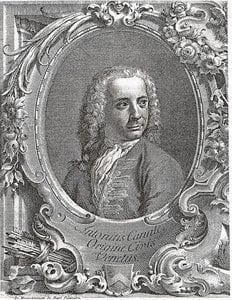
Canaletto

Canaletto

1697 - 1768 , Olaszország

A művészről röviden

  • Artistic Movement Or Style: Veduta Velence
  • Artists Or Movements Influenced By This Artist: ['Bernardo Bellotto']
  • Artists Who Influenced This Artist:
    • Luca Carlevaris
    • Giovanni Paolo Pannini
  • Date Of Birth: 1697. okt. 18.
  • Date Of Death: 1768. ápr. 19.
  • Full Name: Giovanni Antonio Canal
  • Nationality: Olasz
  • Notable Artworks:
    • A kőműves udvar
    • A nagúri vitorlás regatta
    • Eton College
  • Place Of Birth: Velence, Olaszország
Fedezze fel a műalkotásokat témák, stílusok és jellemzők szerint csoportosítva.