


Kézzel festett olajvastú vászon, az Ön által választott méretben és keretben, művészeink készítik meglévőre. ( Nyomat rendelése Kép letöltése)





























Válasszon előre meghatározott méreteink közül, amelyek megfelelnek a műalkotás eredeti arányainak.

Ön megadhat saját méreteket egy adott kerethez vagy térhez igazításhoz. Ha a kiválasztott méret nem egyezik az eredeti kép arányával, akkor a műalkotást levágjuk, vagy további kézzel festett elemekkel meghosszabbítjuk a festményt. A gyártás megkezdése előtt küldünk Önnek egy digitális előnézetet jóváhagyásra.
Kérjük, vegye figyelembe, hogy a képernyőn megjelenő előnézet nem tükrözi a tényleges vágást vagy kiterjesztést. Csak az előnézet fog pontosan mutatni a végső kompozíciót.
Bár egyedi méretek állnak rendelkezésre, javasoljuk, hogy válasszon egy méretet az előre meghatározott listából az eredeti arányok megőrzése érdekében.
Világszerte elérhető szállítás () 3-4 hét alatt a szokásos 5 hét helyett. (7 szeptember). A minőség nem kérdőjelezhető.


Cavallo 1
Reprodukció mérete
Giorgio de Chirico's “Cavallo 1,” a pencil sketch executed with remarkable precision, embodies the core tenets of Metaphysical Art—a movement that profoundly influenced Surrealism and continues to fascinate art historians today. More than just a depiction of a horse, it’s an exploration of form itself, capturing fleeting moments of dynamism within a carefully constructed composition.
The artwork immediately draws the eye with its stark simplicity: a solitary horse rendered in profile against a muted grey-brown paper texture that speaks to the artist's fascination with aged materials and textures. This deliberate restraint serves not to diminish the image’s impact but rather to heighten it, forcing viewers to focus on the fundamental elements of visual representation—line and shadow.
De Chirico’s masterful technique relies heavily on hatching and cross-hatching – meticulous lines interwoven to build tonal depth and contour. Graphite pencil was chosen for its ability to convey subtle nuances of shading, allowing the artist to simulate the texture of fur and muscle with impressive accuracy. The careful layering of graphite creates a palpable sense of materiality, mirroring the artist’s desire to capture essence rather than photographic realism.
The positioning of light—presumably originating from above—further enhances the sketch's expressive qualities, casting delicate shadows that delineate the horse’s musculature and contribute to its overall sculptural presence. Perspective is simplified, prioritizing a dynamic representation over strict spatial accuracy; this stylistic choice aligns perfectly with the movement’s preoccupation with subconscious imagery.
Beyond its formal considerations, “Cavallo 1” resonates with deeper symbolic meanings rooted in Nietzschean philosophy. The horse itself—often associated with strength, nobility, and primal instinct—becomes a conduit for exploring themes of existential anxiety and the confrontation with irrational forces. Its stillness juxtaposed against implied movement suggests an internal struggle, mirroring the artist’s own intellectual journey.
The artwork's muted palette and textural surface evoke a mood of contemplative melancholy, inviting viewers to contemplate the complexities of perception and the elusive nature of reality—characteristics that define Metaphysical Art’s enduring legacy. It stands as a testament to de Chirico’s ability to distill profound ideas into deceptively simple visual forms.
Records indicate that “Cavallo 1” was donated to the Metropolitan Museum of Art as part of Florene Schoen’s bequest, highlighting its significance within the broader context of Surrealist art history. De Chirico's influence extended far beyond his immediate peers; he paved the way for artists like René Magritte and Yves Klein to explore similar dreamlike landscapes and psychological investigations.

1888 - 1978 , Görögország

Explore the profound mystery of Metaphysical Art. Delve into the philosophical depths of Giorgio de Chirico’s dreamscapes and discover how this enigmatic movement redefined reality through unsettling beauty and classical symbolism.

Explore the profound artistry of graphite drawing. Discover professional techniques for mastering depth, texture, and detail through a lens of art history, from classical sketches to modern masterpieces. Elevate your understanding of the pencil medium with our expert guide.

Elevate your artistic practice with this expert guide to mastering the line. Discover advanced techniques in graphite, charcoal, and contour drawing designed for art students seeking technical precision and expressive depth in their fine art studies.

Explore the profound beauty of the sketch. Discover how masters use charcoal and graphite to capture raw emotion, anatomical precision, and fluid movement, bridging the gap between ephemeral marks and eternal oil masterpieces.
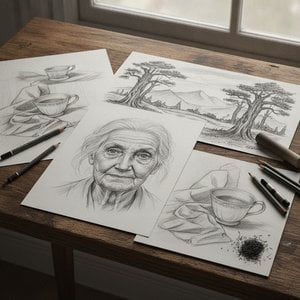
Explore the profound elegance of pencil and charcoal sketching. Discover how masters use line, shadow, and chiaroscuro to capture light and texture, bridging the gap between preparatory studies and timeless fine art masterpieces.

 Megtekintés
 Küldés
 Megosztás
 Részletek

 Letöltés
 Hasonló darabok
 X-ray felvétel
 Diavetítés
 Összes részlet megjelenítése







 Az üvegkeretes opció csak 110 cm alatti méretben érhető el


