

Az ezen az oldalon megjelenített műalkotások szerzői jogi védelem alatt állnak, ami azt jelenti, hogy törvényileg nem készíthetünk és nem adhatunk el belőlük pontos másolatokat. Ez a védelem olyan nemzetközi megállapodások alapján érvényesül, mint például a Berni Egyezmény és a nemzeti jogszabályok által, beleértve azokat is, amelyeket meghatározott Az USA szerzői jogi törvénye – 17. cím.
Ez a módszer teljes mértékben megfelel a szerzői jogi szabályozásnak, mivel nem tartalmazza a védett műalkotás másolását vagy duplikálását. Ehelyett ez egy kreatív újinterpretáció – egy új festmény, amely az eredetivel való összefüggései miatt hatással van rá, de nem az az.
Múzeumi minőségű giclée vagy vászonnyomat, gyors gyártással és rugalmas finomítási lehetőségekkel. ( Kézzel festett másolat rendelése Áttérés digitális képre)





























Válasszon előre meghatározott méreteink közül, amelyek megfelelnek a műalkotás eredeti arányainak.

Írja be a keretének vagy a falának megfelelő szélességet és magasságot. A nyomatot csak le lehet vágni, soha nem tehető nagyobbá, mint az eredeti kép, így egy eltérő alakú méretnél a kép egy része elveszik. Mielőtt bármit kinyatintanánk, küldünk egy digitális próbamodellt jóváhagyásra. Az oldalon látható kép nem tartalmazza a valós levágást — ezt csak a próbamodell mutatja meg.
Világszerte történő kiszállítás területére mindössze 2 hét alatt, a szokásos 4-5 hét helyett. (10 november)
Bring your death out!
Reprodukció mérete
In the hauntingly profound charcoal drawing "Bring Your Death Out!", Georges Rouault invites the viewer into a somber realm where the boundaries between life and decay dissolve. Created in 1946, as the shadows of World War II were only just beginning to recede, this work serves as a visceral embodiment of existential dread and spiritual reckoning. The scene is dominated by skeletal figures, their forms etched with an unsettling energy that transcends mere anatomical study. Rather than presenting a clinical view of death, Rouault captures the psychological weight of mortality, using the starkness of the medium to mirror the profound anxiety and loss felt by a world recovering from unprecedented conflict. It is not merely a depiction of the end of life, but an immersive experience into the artist’s deeply felt spiritual convictions and his unflinching gaze upon human suffering.
The composition is masterfully orchestrated through a pyramidal arrangement, a classical technique that Rouault subverts to create a sense of rising tension. The viewer's eye is drawn upward, following the jagged, expressive lines of the skeletal forms toward a central figure that commands the space with dramatic gesture. There is no stillness here; instead, there is a rhythmic, unsettling dynamism created by the overlapping limbs and the diagonal thrust of bones and ribs. This structural complexity ensures that the gaze never rests, mirroring the restless, searching nature of the human soul when confronted with the inevitable. For the collector or designer, this piece offers a powerful focal point—a work that demands attention through its sheer emotional gravity and sophisticated structural balance.
Rouault’s technical prowess is most evident in his command over light and shadow, a skill likely honed during his early years as an apprentice in stained glass restoration. In this work, he employs meticulous hatching and cross-hatching to sculpt the skeletal figures out of the darkness. The lines are not merely outlines; they are thick, bold, and pulsating with life, acting as heavy contours that delineate the fragility of the bones against a muted, atmospheric background. This dramatic use of chiaroscuro creates deep, engulfing shadows that swallow portions of the figures, emphasizing their vulnerability and suggesting that the confrontation with darkness is an unavoidable facet of the human condition.
The monochromatic palette—a disciplined range of blacks, grays, and whites—strips away the distractions of color to focus entirely on texture and form. The rough, tactile quality of the charcoal creates a surface that feels as weathered and ancient as the subject matter itself. This emphasis on texture adds a layer of visceral impact, making the decay feel tangible to the observer. For those seeking to incorporate fine art into a sophisticated interior, the monochromatic elegance of this piece provides a versatile yet profound aesthetic, capable of anchoring a room with its intense, brooding presence and timeless artistic merit.
Beyond its striking visual impact, "Bring Your Century Out!" is steeped in symbolic resonance. The skeletal figures serve as universal symbols of mortality, yet within Rouault’s specific theological framework, they also represent a form of spiritual purification. The presence of figures in clerical garb suggests a critique or perhaps a profound commentary on the role of organized religion amidst human catastrophe. There is an inherent tension between the grotesque nature of the decay and the underlying search for compassion and faith that characterized Rouault's entire oeuvre.
To possess a reproduction of this work is to hold a piece of history that speaks to the resilience of the human spirit in the face of despair. It is a work that resonates with anyone moved by the themes of empathy, suffering, and the eternal struggle between light and dark. As an investment in fine art, it offers more than just decoration; it provides a window into the soul of one of the 20th century's most poignant Expressionists, making it an invaluable addition to any collection dedicated to works of deep emotional and historical significance.
A „Bring your death out!”, Georges Rouault alkotása domináns színe a Green to Violet Spectrum. Ez a szín a paletta alapvető tónusa.
A „Bring your death out!”, Georges Rouault alkotása Dramatic hangulatot áraszt, és egy Living Room helyiségbe ajánlott. A hangulat az az érzés, amelyet a mű közvetít a környezetében lévő tér felé.
A "Bring your death out!" egy WallArt alkotás.


1871 - 1958 , Franciaország
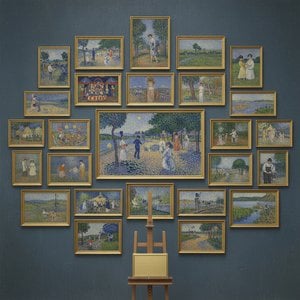
Fedezze fel Georges Seurat 25 legikonikusabb művét! Ismerje meg a pontillizmus zsenialitását, az impresszionizmus forradalmát és a színek lenyűgöző játékát. Prémium minőségű reprodukciók és inspiráló otthoni dekorációk a WahooArt.com-on. Fedezze fel a teljes gyűjteményt online!

Delve into the profound legacy of Saint George through art history. Explore iconic masterpieces by Raphael and Dürer, decoding the iconography of the dragon legend. Discover scholarly insights and bring these timeless tales to life with our museum-quality, hand-painted oil reproductions.
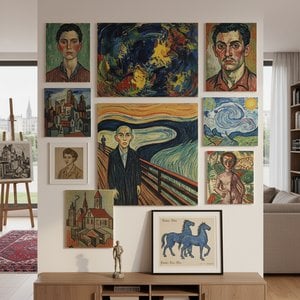
Fedezze fel a kifejezésművészet 10 legmeghatározóbb remekművét! Munch, Kirchner és Kandinsky alkotásainak története. Vászonképek otthonra – magas minőségű műalkotások a WahooArt-tól. Explore the full collection online!

Discover the raw emotion of Symbolic Expressionism. Our expert guide explores how masters like Munch use color and form to convey inner feelings, offering inspiration for collectors looking to bring powerful, soulful art into their modern homes.

Fedezze fel Georges Braque 25 legikonikusabb műalkotását! Ismerje meg a kubizmus történetét, Picasso hatását és a francia művész lenyűgöző festményeit. Múzeumi minőségű reprodukciók és inspiráló dekorációs ötletek a WahooArt.com-on.
 Megtekintés
 Küldés
 Megosztás
 Részletek
 Útmutató

 Letöltés
 Hasonló darabok
 X-ray felvétel
 Diavetítés
 Kérdések és válaszok
 Statisztika

 Összes részlet megjelenítése









 Az üvegkeretes opció csak 110 cm alatti méretben érhető el


