


Az ezen az oldalon megjelenített műalkotások szerzői jogi védelem alatt állnak, ami azt jelenti, hogy törvényileg nem készíthetünk és nem adhatunk el belőlük pontos másolatokat. Ez a védelem olyan nemzetközi megállapodások alapján érvényesül, mint például a Berni Egyezmény és a nemzeti jogszabályok által, beleértve azokat is, amelyeket meghatározott Az USA szerzői jogi törvénye – 17. cím.
Ez a módszer teljes mértékben megfelel a szerzői jogi szabályozásnak, mivel nem tartalmazza a védett műalkotás másolását vagy duplikálását. Ehelyett ez egy kreatív újinterpretáció – egy új festmény, amely az eredetivel való összefüggései miatt hatással van rá, de nem az az.
Múzeumi minőségű giclée vagy vászonnyomat, gyors gyártással és rugalmas finomítási lehetőségekkel. ( Kézzel festett másolat rendelése Áttérés digitális képre)





























Válasszon előre meghatározott méreteink közül, amelyek megfelelnek a műalkotás eredeti arányainak.

Írja be a keretének vagy a falának megfelelő szélességet és magasságot. A nyomatot csak le lehet vágni, soha nem tehető nagyobbá, mint az eredeti kép, így egy eltérő alakú méretnél a kép egy része elveszik. Mielőtt bármit kinyatintanánk, küldünk egy digitális próbamodellt jóváhagyásra. Az oldalon látható kép nem tartalmazza a valós levágást — ezt csak a próbamodell mutatja meg.
Világszerte történő kiszállítás területére mindössze 2 hét alatt, a szokásos 4-5 hét helyett. (14 november)
Peonies
Reprodukció mérete
“Peonies,” painted in 1926 by Georges Braque, stands as a testament to the burgeoning artistic fervor of the early Surrealist era. More than just a depiction of flowers—a recurring motif in Braque’s oeuvre—it embodies a profound exploration of form and perception, firmly rooted in the groundbreaking principles of Cubism.
Braque's approach wasn't merely about breaking down forms; it was about reconstructing them in a new order. He meticulously considered how the viewer would perceive the artwork, prioritizing intellectual engagement over mere visual imitation. The fragmented planes aren’t random; they are strategically positioned to create an illusion of depth and volume—a paradoxical achievement considering the absence of conventional shading.
While aesthetically striking, “Peonies” transcends mere visual pleasure. Flowers have long held symbolic significance across cultures, representing purity, beauty, and resilience—themes that resonate powerfully within Braque’s artistic framework. The inclusion of fruits adds another layer of interpretation, referencing abundance and fertility.
"Peonies" exemplifies Braque's unwavering commitment to artistic experimentation. It stands as a cornerstone of Cubist theory, demonstrating how artists can redefine visual reality through geometric abstraction. Its enduring appeal lies in its ability to inspire viewers with its harmonious blend of form and color—a timeless masterpiece that continues to captivate audiences worldwide.
A „Peonies”, Georges Braque alkotása Landscape formátumú alkotása egy Living Room számára ajánlott. A formátum és a tér együtt segítik a reprodukció elhelyezését.
A „Peonies”, Georges Braque alkotása reprodukciójának megtekintéséhez nyissa meg a mű Előnézet oldalát.
A „Peonies”, Georges Braque alkotása Hasonló alkotások oldala kapcsolódó műalkotásokat mutat be.

Georges Braque 1882-ben született Argenteuil-ben, Franciaországban. Korai éveket Le Havre-ban töltötte, egy olyan háztartásban, amelyet a dekoráció és a színek gyakorlatias világága határozott meg. Egy házfestőből és dekoratőrből származó család tagjaként már fiatal korától fogva a szakmája haptikus valóságában merült el. Ez a nevelés olyan technikai tudás alapját feleltette meg, amely később meghatározta megközelítését a vászon felé.
Mielőtt a finomművészetek felé fordult volna, családtagai etabblált útját követte, és házfestőként és dekoratőrként szakképzést fogadott magát. Ez a fizikai munka olyan anyagokról és a felületek fizikai tulajdonságairakról kialakított speciális megértést impartált bele, amely később meghatározóvá vált. Ez a gyakorlati tapasztalat megalapozott nézetet adott arról, hogyan lépnek kapcsolatba a pigmentek a különböző textúrákkal, egy olyan érzékenység, amely végül megkülönböztette későbbi, anyaghasználatukra fókuszált kísérleteit.
A szakmából a formális tanulmányok felé való átmenet 1902-ben vitte őt Párizsba. Itt folytatta tanulmányait az Académie Humbert-en, ahol az akadémiai fegyelem révén törekedett veleszületett művészi ösztöneinek finomítására. Ez a hivatalos oktatás szükséges keretet biztosított fejlődő látásmódjához, áthidalva a különbságot a festék manuális alkalmazása és a kompozíció intellektuális megvalósítása között.
Georges Braque pályájának korai éveit még az impresszionizmus és a posztimpresszionizmus lenyugvó árnyékai formálták. Első kísérletei még a fény és a légkör vergényes pillanatainak megörökítésére irányultak, ám egy időn belül egy mélyebb, strukturális éhség kezdett megnyilvánulni művészetében. 1905-re Gérez Braque már a fauvizmus alapelvei felé fordult, és az érzelmek kifejezésére az intenzívebb, nem természetbarát színek használatáta fogadott be. Ez a korszak a puszta megfigyelésről való távozását jelente, mivel a művész a színek kifejezző erejét kezdte előtérbe helyezni a tárgyak szó szerinti ábrázolása helyett.
Ez az új, színes szabadság egy elengedhetetlen támaszt talált Paul Cézanne művészetében. Georges Braque megvonzotta őt az a módszer, ahogyan Cézanne szilárd struktúrákat és tudatos színelméletet alkalmazott a vizuális mező rendszerezésére. Pont az a találkozás a fauvista színhasználat és a Cézanne-i geometria között, amely meghatározta a művész radikálisabb látásmódjába való átmenetelét. Georges Braque a színei érzelmi intenzitását egyfajta építészeti állandossággal próbálta összehangolni.
Ennek a szintézisnek a gyümölcsei láthatóak az 1908-as alkotásában, a Houses at L'Estaque című festményben. Ebben a műben a táj már nem a lágy impressziók gyűjteménye, hanem színes, eltolt sílaki és geometrikus formák sorozata. Cézanne hatása itt megkérdésezhetetlen, hiszen a tereget az esszenciális volumentek reduzálja. Georges Braque elkezdte lebontani a táj festészetének hagyományos perspektíváját, és helyébe egy fragmentált, strukturált valóságot helyezett, amely a világ zugtalan formáját helyezte a középpontba.
1907 és 1914 között Paris a vizuális átalakulás színtere lett, amelyet Georges Braque és Pablo Picasso együttműködése határozott meg. Ez a partnerség a fauvizmus érzelmi intenzitásáról a formák inkább szellemi, gondolkodásmódos vizsgálata felé mozdult el. Kidolgozták az analitikus kubizmust, egy olyan módszert, amely a tárgyakat fragmentált, geometrikus formákra dissektálta. Ahelyett, hogy a háromdimenziós tér illúzióját próbálták volna megmásolni, a tárgy totalitását akarták ábrázolni azáltal, hogy egyszerre több nézetpontot is bemutatnak. Ez a megközelítés leromolta a hagyományos perspektíva szabályait, és helyébe egy síkokból és vonalakból álló, összetett rendszert helyezett.
Az 1912-es évek körül a mozgalom jelentős átalakuláson ment keresztül, a szimbolikus szintű átmenet a szimbolikus kubizmus felé irányult. Ez a fázis már nem a formák felbontására, hanem az új képek felépítésére összpontosított a különböző elemek összeillesztésén keresztül. Georges Braque kulcsfontosságú innovátora volt ennek a váltásnak, hiszen ő alkotta meg az első papier collé technikát, amikor tapétát ragasztott egy rajz felé. A fizikai anyagok felületre való ragasztása kihívást állított a vászon határainak, megertebbítve a festményt egy önálló objektumként, nem pedig egy másik világba néző ablakként. Ebben az időszakban művészete a reprezentáció és a használt anyagok haptikus, megfogasztható valósága közötti kapcsolatra összpontosított.
Georges Braque a vászonhoz való viszonyulása a művei fizikai tulajdonságai iránti nyugtalanító kíváncsialomból fakadt. Az olajfestészet hagyományos határai túlra lépve olyan elemeket vezetett be, amelyek kihívták a mélység illúzióját. A valóságos világ tárgyait, például újságdarabokat, tapétákat és textíliákat integrálva felborította a képplapon állló egyértelmű perspektíva-rendszert. Ez az kísérletezés vezetett a papier collé technika kialakulásához, amely lehetővé tette számára, hogy a mindennapi élet textúráit közvetlenül a kompozíciói részeként alkalmazza. Célja az volt, hogy áthidalja a szakadékot a festett kép és a megfogható, hús-vér tárgy között.
Technikai repertoárját egy taktilistus, szinte szobrászakti érzékiség jellemezte. Gyakran keverte a pigmenteket homokkal, hogy megváltoztassa a felület textúráját, olyan szemcsézettséget hozva létre, amely váratlan módon fogta vissza a fényt. Annak érdekében, hogy még inkább manipulálja a néző térbeli és anyagbeli érzékelését, kísérletezni kezdte a faerezet és a mármor vizuális mintáinak utánzó stílusával. Ez nem csupán dekoratív választás volt, hanem egy olyan módszer a különböző felületek fény és forma közötti interakciójának felfedezésére. Emellett stencillelt betűket is alkalmazott művein, egy olyan technika, amely grafikus dimenziót adott a kompozíciónak, és segített azt egy modern, olvasható valóságba ágyazni.
A 1914-es első világháború kitörése hirtelen, erőszakos megszakítást hozott a kubizmus intellektuális szigorúságában. Georges Braque katonai szolgálatba vonulták, egy olyan időszak, amely alapjaiban változtatta meg mind fizikai jóllétét, mind alkotói temperamentumát. 1915-ben súlyos fejsérülést szenvedett a lövészárokban, egy olyan sérülés, amely ideiglenes kebutoltsággal jár, és amelyhez trepanációra volt szüksége a látásának visszaszerzéséhez. Ez a találkozás a sötétséggel kényszerű átalakulásra tervelte a perceptícióját. Az a merev, analitikus struktúra, amely korábbi éveit meghatározta, elkezdte lágyulni, az alkotási témáihoz való viszonyulása pedig személyesebb és líraisabb irányba veda el.
A háborúból való visszatérés után a korábbi, Picassóval folytatott együttműködésből fakadó szigorú geometriai korlátok már nem jelentették egyedüli foglalkozási tárgyát. Stílusa fejlődve integrálta a klasszikus kompozíció elemeit, egy olyan egyensúly és harmónia érzetét keresve, amely jobban a fizikai világ talaján nyugszik. Elszállt a formák tisztán intellektuális felbontásától, és egy árnyaltabb, kontemplatív látásmódot fogadott el. Művészete már nem a tér felbontásáról szólott, hanem maguk a tárgyak csendes, békés atmoszférájáról.
Georges Braque pályafutatása olyan specifikus kompozíciók vonalán húzódik végig, amelyek a gondolkodásmódja és technikája folyamatos változását jelzik. 1908-ban született meg az Houses at L'Estaque, amely színes, domboros, eltolt síkokból és geometrikus formákból építkezett, tükrözve a hagyományos perspektíva elhagyását. Az eksperimentalizmus ez időszaka 1910-ben folytatódott az Violin and Palette című művel, amely a papír és a mixed media használatával vizsgálta, hogyan lép interakcióba a szín a formával. 1911-re az irányfoka a tér felbontására irányult a Man with a Guitar című alkotásban, amely a kortársaival együtt kifejlesztett analitikus megközelítés tökéletes példája.
Ahogy módszerei fejlődtek, az új anyagok bevezetése alapjaiban változtatta meg vásznal látható textúráját. A 1912-es Fruit Dish and Glass című alkotás megmutatta azt a transzíciót, amelyben a kolzáz technika révén a felismerhető tárgyak ismét bekerültek a kompozícióba. Még a háború okozta zűrzavarok után is alkotásai megtartották kapcsolatot korábbi kutatásaival. A 1918-ban megalkotott The Musician a személyes átalakulás egy idejét tükrözi, míg a jóval későbbi, 1955-ös festménye, az Two Birds, a választott témái alapvető tulajdonságai iránti folyamatos érdeledet mutatja.
Amikor Georges Braque 1963. augusztus 31-én elhunyt, alapjaiban változtatott meg minden olyan felfogást, amely szerint a világot érzékeljük és ábrázoljuk. A kubizmus egyik megalakítójaként segített lebontani a hagyományos perspektíva hosszú távú dominanciáját, helyébe állítva egy fragmentált, többdimenziós valóságot. Művészete túlmutatott a természet egyszerű utánzásán; inkább az objektumok esszenciáját akarta megörökíteni a forma és a tér szigorú tanulmányozásán keresztül. Ez a paradigmaváltás végérintetleg átalakította a XX. század vizuális nyelvét.
Hatása a művészet következő generációira mérhetetlen marad. A papier collé technika bevezetésével és a hétköznapi anyagok integrálásával a vászon és a hús-vér, megfogtouchatós világ közötti szakadékot gyógyította meg. Ez az innováció kihívást akadt a festészet határainak meglévő értelmezésére, utat nyitva a textúra és a materialitás későbbi felfedezéseinek. Még akkor is, amikor későbbi éveiben stílusát líraisabb és nyugodtabb témák felé mozdította el, a kubista alapok szerkezeti integritása folyamatosan jelen volt alkotásai mögött.

1882 - 1963 , Franciaország

Master the complexities of Cubism with our expert guide. Explore the revolutionary fragmentation of Picasso and Braque, from Analytic to Synthetic styles, and learn how to evaluate these profound modernist masterpieces for your private collection.
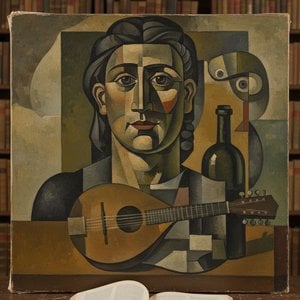
Master the complexities of Analytical Cubism with our expert guide. Explore how Picasso and Braque revolutionized art through fragmented perspective, geometric abstraction, and muted palettes—essential knowledge for every discerning art collector.

Discover the profound legacy of Georges Braque. Our expert guide explores the evolution of Cubism, from Analytic deconstruction to Synthetic innovation, offering deep insights for discerning art collectors and connoisseurs of modern masterpieces.

Explore the profound evolution of Cubist still life, from Cézanne's structural foundations to the fragmented brilliance of Braque and Léger. Discover how geometric abstraction redefined reality through a sophisticated lens of form, color, and modern artistic mastery.

Explore the profound evolution of Cubist landscapes. Discover how masters like Braque and Picasso redefined perspective through geometric mastery, transforming nature into an intellectual mosaic of form and light for the discerning modern art collector.
 Megtekintés
 Küldés
 Megosztás
 Részletek
 Útmutató

 Letöltés
 Hasonló darabok
 X-ray felvétel
 Diavetítés
 Kérdések és válaszok
 Statisztika

 Összes részlet megjelenítése









 Az üvegkeretes opció csak 110 cm alatti méretben érhető el


