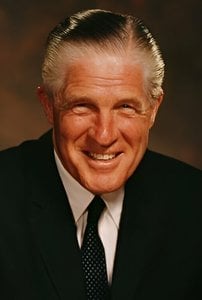
James Clitherow (1731–1805) (1780) George Romney alkotása, egy mesteralkotó által készített kézzel festett olajfestmény reprodukció
Megtekintés AR előnézet Váltás nyomtatványra Áttérés digitális képre Küldés
Részletek Útmutató Kedvencekhez ad Letöltés Hasonló darabok X-ray felvétel Diavetítés Kérdések és válaszok Presentation Statisztika

James Clitherow (1731–1805) Kézzel festett olajfestmény reprodukció

Méretek
73.0 x 61.0 cm

George Romney’s ‘James Clitherow’ (1780) – a captivating 18th-century portrait showcasing classical British style & refined detail. Explore this elegant oil painting's nuanced beauty.

Fedezze fel George Romney (1734-1802) ikonikus portréfestőit! Elegáns stílusa, Emma Hamilton múzája. Kézzel festett reprodukcióinkkal éljen meg a 18. századi brit társadalmat!

Kézzel készített olajfestmény reprodukció

Kézzel festett olajvastú vászon, az Ön által választott méretben és keretben, művészeink készítik meglévőre. ( Váltás nyomtatványra Áttérés digitális képre)

Corner sample of the P118B picture frame: formázott polisztirol, 5 cm wide and 3 cm thick
P118B Ft10
Corner sample of the P118H picture frame: formázott polisztirol, 5 cm wide and 3 cm thick
P118H Ft10
Corner sample of the P118W picture frame: formázott polisztirol, 5 cm wide and 3 cm thick
P118W Ft10
Corner sample of the P438Z picture frame: formázott polisztirol, 5.5 cm wide and 3.5 cm thick
P438Z Ft10
Corner sample of the P508JH picture frame: formázott polisztirol, 7 cm wide and 3.5 cm thick
P508JH Ft12
Corner sample of the P508YH picture frame: formázott polisztirol, 7 cm wide and 3.5 cm thick
P508YH Ft12
Corner sample of the P805H picture frame: formázott polisztirol, 5 cm wide and 3.5 cm thick
P805H Ft10
Corner sample of the P805Z picture frame: formázott polisztirol, 5 cm wide and 3.5 cm thick
P805Z Ft10
Corner sample of the P919BZ picture frame: formázott polisztirol, 7 cm wide and 3.5 cm thick
P919BZ Ft10
Corner sample of the P919G picture frame: formázott polisztirol, 7 cm wide and 3.5 cm thick
P919G Ft10
Corner sample of the P919XJ picture frame: formázott polisztirol, 7 cm wide and 3.5 cm thick
P919XJ Ft10
Corner sample of the P959ZH picture frame: formázott polisztirol, 5 cm wide and 3 cm thick
P959ZH Ft10
Corner sample of the P968JZ picture frame: formázott polisztirol, 6 cm wide and 4 cm thick
P968JZ Ft12
Corner sample of the W106C picture frame: tömörfa, 5 cm wide and 3 cm thick
W106C Ft8
Corner sample of the W218G picture frame: tömörfa, 5 cm wide and 3 cm thick
W218G Ft10
Corner sample of the W218JH picture frame: tömörfa, 5 cm wide and 3 cm thick
W218JH Ft8
Corner sample of the W218Y picture frame: tömörfa, 5 cm wide and 3 cm thick
W218Y Ft10
Corner sample of the W307PJ picture frame: tömörfa, 6 cm wide and 3 cm thick
W307PJ Ft10
Corner sample of the W316G picture frame: tömörfa, 6 cm wide and 3 cm thick
W316G Ft10
Corner sample of the W316PJ picture frame: tömörfa, 6 cm wide and 3 cm thick
W316PJ Ft8
Corner sample of the W316Y picture frame: tömörfa, 6 cm wide and 3 cm thick
W316Y Ft10
Corner sample of the W398PJ picture frame: tömörfa, 5 cm wide and 3 cm thick
W398PJ Ft8
Corner sample of the W4111J picture frame: tömörfa, 6.5 cm wide and 3.5 cm thick
W4111J Ft10
Corner sample of the W500HY picture frame: tömörfa, 7 cm wide and 5 cm thick
W500HY Ft15
Corner sample of the W500JH picture frame: tömörfa, 7 cm wide and 5 cm thick
W500JH Ft15
Corner sample of the W692G picture frame: tömörfa, 8 cm wide and 4 cm thick
W692G Ft12
Corner sample of the W849H picture frame: tömörfa, 5 cm wide and 3 cm thick
W849H Ft8
Corner sample of the W940BG picture frame: tömörfa, 7.5 cm wide and 4.5 cm thick
W940BG Ft15
Corner sample of the W953PJ picture frame: tömörfa, 6 cm wide and 3.5 cm thick
W953PJ Ft8

Standard méret
egyedi méretű
CM
INCH

Válasszon előre meghatározott méreteink közül, amelyek megfelelnek a műalkotás eredeti arányainak.

szélesség
magasság

Írja be a kívánt szélességet és magasságot, hogy illeszkedjen a keretéhez vagy a falához. Mivel ez kézzel festett alkotás, egy eltérő formájú méret esetén a művész akár festhet is valamivel többet a kép körül, vagy korolathat is belőle — az Ön döntésének megfelelően. A festés megkezdése előtt küldünk egy digitális tervezetet jóváhagyásra. Az oldalon látható kép nem tartalmazza a végeredményt — csak a tervezet mutatja meg a valódi eredményt.

Példák arra, mit lehet módosítani: az arc kicserélése az ügyfél fotójára; háziállat hozzáadása (pl. macska helyett kutya); rejtett üzenet elhelyezése a háttérben; a háttér tájának vagy elemeinek megváltoztatása.
A rendelést követően a WahooArt.com csapata e-mailt küld az ügyfélnek az instrukciókért, és biztosít egy előnézeti képet (mockup).

Világszerte elérhető szállítás () 3-4 hét alatt a szokásos 5 hét helyett. (6 november). A minőség nem kérdőjelezhető.

Ingyenes globális expressz szállítás
Prémium minőségű len vászon
Teljes körű szállítási biztosítás
Vámvisszatérítési Garancia
Hiteles színarányosság garancia
100 napos visszaküldési lehetőség (csak hibás termékek esetén)
100% pénzvisszatérítési garancia
Több darab vásárlásakor kedvezmény

Összesített ár

Ft 88854

James Clitherow (1731–1805)

Reprodukciós technika

Reprodukció mérete

-

Összesített ár

Ft 88854

Gyors információk

  • Location: Boston Manor House
  • Movement: Rococo
  • Dimensions: 73 x 61 cm
  • Medium: Oil on canvas
  • Influences: European artistic traditions
  • Year: 1780

Művészeti kvíz

Minden kérdésre csak egy helyes válasz létezik.

Kérdés 1:
What artistic movement is George Romney’s ‘James Clitherow’ primarily associated with?
Kérdés 2:
Describe the dominant lighting technique employed in the portrait.
Kérdés 3:
What material was George Romney primarily known for using in his paintings?
Kérdés 4:
The portrait depicts a gentleman named James Clitherow. What is the significance of his gaze?
Kérdés 5:
What stylistic element contributes to the portrait's sense of elegance and refinement?

A Glimpse into Georgian Elegance

In the quiet, commanding presence of George Romney’s “James Clitherow” (1780), we find more than just a mere likeness; we encounter the very soul of eighteenth-century British high society. This exquisite portrait serves as a window into an era defined by refined grace and social distinction. As the viewer’s eye meets the subject, there is an immediate sense of being transported to a time of candlelight and ceremony. Clitherow, a respected barrister and landowner, is captured not merely as a man of status, but as a figure of profound dignity. The painting breathes with a certain psychological intimacy, where the subtle tilt of his head and a gaze directed slightly off-canvas suggest a mind engaged in deep, quiet contemplation.

The mastery of Romney lies in his ability to balance the formal requirements of a commissioned portrait with an almost tender humanity. While the painting serves to commemorate Clitherow’s accomplishments, it avoids the stiffness often found in contemporary works. Instead, there is a soft, luminous quality to the skin and fabric that invites the observer to linger, making it an ideal centerpiece for those seeking to infuse a room with a sense of historical weight and sophisticated calm.

The Artistry of Light and Line

Technically, “James Clitherow” is a triumph of the Rococo style, blended seamlessly with the emerging sensibilities of classical British portraiture. Romney employs a masterful one-point perspective, a deliberate compositional choice that pulls the viewer’s focus directly toward the subject's face and upper torso. The artist utilizes a subdued, sophisticated palette—dominated by deep blacks, rich browns, and creamy whites—to create an atmosphere of understated luxury. This tonal restraint allows the play of light to become the true protagonist of the work.

Upon closer inspection, the brilliance of Romney’s technique becomes even more apparent. The artist uses delicate yet confident brushstrokes to layer oil paints on canvas, achieving a surface finish that seems to glow from within. There is a beautiful tension between the linear precision used to define the crisp edges of the wig, collar, and buttons, and the organic, flowing curves found in the drapery. This interplay of geometric structure and soft, atmospheric shading creates a remarkable sense of three-dimensional depth, lending the portrait a realism that feels both timeless and tactile.

A Legacy for the Discerning Collector

For the art lover or interior designer, this piece offers much more than aesthetic beauty; it offers a narrative of permanence. To hang a reproduction of such a work is to introduce an element of historical prestige into a modern space. The painting’s emotional impact—a blend of seriousness tempered by a hint of a smile—provides a balanced energy that can anchor a room, whether in a formal study, a grand hallway, or a curated gallery wall.

Owning a piece that evokes the era of George Romney is an invitation to celebrate the virtues of intellect and composure. As we look upon Clitherow, we are reminded of the enduring power of portraiture to capture the essence of character. This artwork remains a profound testament to the skill of one of England's most fashionable painters, making it a timeless acquisition for any collection dedicated to the elegance of the classical tradition.

Kérdések és válaszok

Melyik országból származik a Neoclassicism irányzat James Clitherow (1731–1805) című műve?

A Neoclassicism korszak alkotása, a "James Clitherow (1731–1805)", egy Egyesült Királyság-ban született művész munkája.

Mennyire intenzívek a „James Clitherow (1731–1805)”, George Romney alkotása színei?

A „James Clitherow (1731–1805)”, George Romney alkotása Monochromatic szín intenzitással rendelkezik.

Elérhető-e a "James Clitherow (1731–1805)" minőségi nyomtatványként?

A „James Clitherow (1731–1805)”, George Romney alkotása nyomata közvetlenül a következő oldalon rendelhető meg: Művészeti nyomtatvány: minőségi giclée nyomat pamutvászonon vagy archiváló vászonpapíron.


A művész életrajza

A Life in Portraiture: The World of George Romney

Born in the picturesque landscape of Dalton-in-Furness, Lancashire, on December 15th, 1734, George Romney ascended to become one of the most sought-after portrait painters of his era. His journey from a cabinet maker’s son to the favored artist of British high society is a compelling narrative of innate talent and unwavering ambition. Early life offered little indication of the artistic path he would forge; initially apprenticed to his father, it was an inherent inclination towards drawing and craftsmanship that led him to Christopher Steele, a local portraitist who had studied in Paris. This apprenticeship proved pivotal, providing Romney with foundational skills and an introduction to European artistic traditions. He quickly surpassed his master, however, demonstrating a precocious talent demanding further cultivation. A brief, unhappy marriage and subsequent separation propelled him towards London in 1762, a city brimming with opportunity but also fierce competition.

Establishing a Reputation: Style and Technique

London proved to be a crucible for Romney’s artistic development. He swiftly established himself as a formidable portraitist, challenging the dominance of artists like Thomas Gainsborough and Sir Joshua Reynolds. While he never sought membership in the Royal Academy – a decision that perhaps limited his access to certain patronage – his success was undeniable. Romney's style evolved over time, initially reflecting the influence of Steele and his Parisian training, but soon blossomed into something distinctly his own. He possessed an exceptional ability to capture not merely the likeness, but also the personality and social standing of his sitters. His portraits are characterized by elegant poses, a refined use of light and shadow, and a subtle psychological insight that set him apart. Romney’s technique was marked by a delicate touch and a preference for flowing lines, often drawing inspiration from classical sculpture. He skillfully employed color to convey texture and depth, creating portraits that were both visually striking and emotionally resonant. His ability to flatter his subjects while maintaining artistic integrity earned him the loyalty of an elite clientele. He understood the power of suggestion, hinting at character rather than explicitly defining it, a quality that appealed to those who valued discretion and refinement.

The Muse and Her Influence: Emma Hamilton

Romney’s life took a dramatic turn with his encounter with Emma Hart, later known as Lady Hamilton, in 1782. She became not only his most celebrated model but also his muse, profoundly influencing his artistic output. Emma's beauty, intelligence, and theatrical flair captivated Romney, inspiring a series of portraits that explored themes of classical mythology, dramatic narrative, and feminine grace. He depicted her in various roles – as a spinner, as the tragic Miranda from Shakespeare’s *The Tempest*, and in numerous allegorical scenes that showcased her expressive range. These works demonstrate Romney's willingness to experiment with composition and symbolism, moving beyond conventional portraiture into more imaginative territory. The Tempest series, in particular, reveals a Romantic sensibility at play, anticipating the emotional intensity of later artists. The relationship was intense and all-consuming for Romney, though ultimately unfulfilled romantically; Emma eventually became the mistress of Lord Nelson, a union that cemented her place in history. Nevertheless, their artistic collaboration left an indelible mark on both their lives and produced some of Romney’s most enduring masterpieces. It is said he painted over 80 portraits of her, each revealing a different facet of her captivating personality.

Notable Works and Artistic Development

Romney's oeuvre encompasses a diverse range of subjects, reflecting his versatility as an artist. Among his most celebrated works are *Peter and James Romney* (a touching portrait of his brothers), *Portrait of G. Cowper*, and the dramatic *The Death of General Wolfe*, which secured him a prestigious award from the Royal Society of Arts in 1799. These paintings showcase his evolving style, moving from more formal, classical compositions to increasingly dynamic and emotionally charged scenes. His later portraits often display a heightened sense of intimacy and psychological depth, indicative of his growing mastery of capturing the inner lives of his subjects. Romney’s artistic development can be traced through his exploration of light, color, and composition—elements that he skillfully employed to create works of enduring beauty and significance.

Legacy and Historical Significance

George Romney's impact on British portraiture is undeniable. He helped shape the aesthetic sensibilities of the late 18th century, contributing to a style that emphasized elegance, psychological depth, and artistic flair. His portraits offer invaluable insights into the lives and tastes of the British elite during his time, providing a visual record of their social customs, fashion, and intellectual pursuits. While he faced periods of self-doubt and struggled with mental health issues in later life – leading to a decline in productivity before his death in Kendal in 1802 – his legacy endures through the hundreds of paintings and drawings that remain as testaments to his skill. His work continues to be admired for its technical brilliance and emotional resonance. Romney’s influence can be seen in the portraits of subsequent generations of British artists. The enduring fascination with his relationship with Emma Hamilton adds another layer of intrigue to his story. He remains a significant figure in the history of art, a master portraitist who captured the spirit of an age and left behind a body of work that continues to captivate and inspire. Romney’s portraits are not merely representations of individuals; they are windows into a vanished world.
George Romney

George Romney

1734 - 1802 , Egyesült Királyság

Rövid információk

  • Artistic Movement Or Style: Portréfestészet, Romantika
  • Artists Or Movements Influenced By This Artist: ['Angol festők']
  • Artists Who Influenced This Artist:
    • Steele
    • Vanloo
    • Raffael
    • Tiziano
  • Date Of Birth: Dec 15, 1734
  • Date Of Death: Nov 15, 1802
  • Full Name: George Romney
  • Nationality: Angol
  • Notable Artworks:
    • Peter Romney
    • Cowper portréja
    • Wolfe halála
  • Place Of Birth: Dalton-in-Furness, UK
Fedezze fel a műalkotásokat témák, stílusok és jellemzők szerint csoportosítva.