**early life and education**
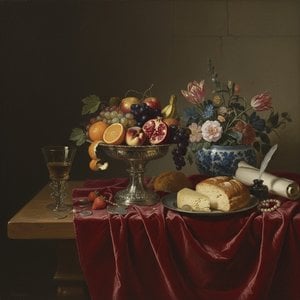
frans david oerder, a renowned dutch-born south african landscape, still-life, and portrait painter, etcher, and lithographer, was born in rotterdam, netherlands in 1867. he was the youngest of seven children to johannes carolus oerder, a municipal employee. from 1880 to 1885, oerder studied art at the
rotterdam academy, where he won the prestigious king william iii gold medal and bursary.
**artistic career in south africa**
in 1890, oerder emigrated to the south african republic, initially working as a house painter and decorator. he later painted poles along the delagoa bay railway line. during the 1890s, oerder was one of only three artists in south africa with recognized professional training. he took up the position of art teacher at the staatsmeisjesskool and rented a studio in church street east. * **war artist**: with the outbreak of the anglo-boer war in 1899, oerder was appointed official war artist by president paul kruger. * **sketches and paintings**: his sketches and paintings from this period are held at the
war museum in bloemfontein, the
africana museum in johannesburg, and the art collection of the
university of pretoria.
**later life and return to netherlands**
* **post-war period**: after the war, oerder traveled and painted along the east african coast, contracting malaria during the trip. * **return to netherlands**: in 1908, he returned to the netherlands via italy, settling in brabant before moving to amsterdam, where he married a fellow painter,
gerda pitlo, in 1910.
**legacy and notable works**
* **magnolias**: oerder's painting "magnolias" was sold to the new york graphic society, becoming one of the most popular images ever and achieving record sales for the society. * **portrait of jan smuts**: he received several important commissions, including painting the portrait of
jan smuts.
**conclusion**
frans david oerder, a dutch-born south african master of landscape, still-life, and portrait painting, left an indelible mark on the art world. his life, marked by periods of war and travel, is a testament to his resilience and artistic genius. through his works, available for viewing and purchase on WahooArt.com, oerder's legacy continues to inspire and captivate art lovers worldwide.



 Megtekintés
 Kézzel festett másolat rendelése
 Küldés
 Megosztás
 Részletek

 Letöltés
 Hasonló darabok
 X-ray felvétel
 Diavetítés
 Statisztika


 Összes részlet megjelenítése






































 Az üvegkeretes opció csak 110 cm alatti méretben érhető el