Múzeumi minőségű giclée vagy vászonnyomat, gyors gyártással és rugalmas finomítási lehetőségekkel. ( Kézzel festett másolat rendelése Áttérés digitális képre)





























Válasszon előre meghatározott méreteink közül, amelyek megfelelnek a műalkotás eredeti arányainak.

Írja be a keretének vagy a falának megfelelő szélességet és magasságot. A nyomatot csak le lehet vágni, soha nem tehető nagyobbá, mint az eredeti kép, így egy eltérő alakú méretnél a kép egy része elveszik. Mielőtt bármit kinyatintanánk, küldünk egy digitális próbamodellt jóváhagyásra. Az oldalon látható kép nem tartalmazza a valós levágást — ezt csak a próbamodell mutatja meg.
Világszerte történő kiszállítás területére mindössze 2 hét alatt, a szokásos 4-5 hét helyett. (9 november)
'The album ''Circus'''
Reprodukció mérete
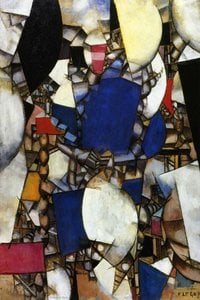
In the vibrant landscape of post-war European art, few works capture the pulse of a changing era as vividly as Fernand Léger’s 1950 masterpiece, ‘The Album “Circus”’. This painting is far more than a mere snapshot of leisure; it is a profound visual manifesto of optimism and technological fascination. As the world emerged from the shadows of conflict, Léger utilized his unique artistic vocabulary to celebrate the burgeoning energy of the mid-century. The composition immediately arrests the viewer with its striking blue background, a choice that provides an expansive, atmospheric depth, allowing the subject to breathe within a space that feels both intimate and infinitely vast. It is a work that invites the eye to wander through a carefully constructed world where the boundaries between human grace and mechanical precision begin to blur.
Léger’s technique in this piece serves as a bridge between the structured discipline of Constructivism and the dreamlike fluidity of Surrealism. Eschewing the fleeting, light-drenched spontaneity of the Impressionists, Léger instead focused on the underlying architecture of his subject. He employed simplified geometric forms—circles, squares, and triangles—to build a sense of rhythm and movement that mimics the relentless pace of urban life. Through the application of thick, impasto strokes, he imbued the canvas with a tactile quality, creating surfaces that possess a sculptural solidity. This textural richness ensures that the painting is not just seen, but felt, offering a physical presence that makes it an extraordinary centerpiece for any sophisticated interior.
At the heart of the composition lies a woman on a bicycle, a figure that embodies the spirit of modern freedom. The artist meticulously integrates patterns that speak to the repetitive, rhythmic nature of the machine age; notice specifically the polka dot motifs adorning the bicycle seat and the woman’s attire. These dots are not merely decorative but act as symbols of repetition and the mechanical heartbeat of progress. There is a deliberate harmony in how the organic curves of the figure interact with the rigid geometry of the bicycle, suggesting a seamless integration of humanity within a technological landscape. This interplay creates a sense of dynamic equilibrium, where the joy of a simple moment—a ride through the afternoon—is elevated to a grander allegory of societal advancement.
For the discerning collector or interior designer, ‘The Album “Circus”’ offers an unparalleled emotional resonance. It radiates a sense of purposeful activity and a belief in a bright, reconstructed future. The bold color palette and structured composition make it a versatile choice for modern spaces, providing a focal point that is both intellectually stimulating and aesthetically soothing. Whether placed in a minimalist gallery setting or a richly textured living space, this reproduction brings with it the enduring legacy of Léger’s vision: a world where beauty is found in the strength of form, the clarity of line, and the unyielding optimism of the human spirit.
A "'The album ''Circus'''" 1950-ben készült, a Geometric Abstraction irányzat részeként.
A "'The album ''Circus'''" alkotása 1950-ben készült, Watercolor technikával.
A „'The album ''Circus'''”, Léger Ferenc alkotása színek identitása: egy Neutrals paletta, amelyet Midnight Blue (#071e72) dominál.


1881 - 1955 , Franciaország

Explore the vibrant world of Fernand Léger. Discover how his 'Tubism' and Machine Age aesthetics redefined modern art, offering profound inspiration for discerning collectors seeking geometric beauty and industrial dynamism.

Explore the profound spiritual depth of geometric abstraction. From Malevich's Suprematism to modern masters, our expert guide reveals how pure form and color command presence in fine art collections.

Dive into the vibrant world of Ben-Day dots. Explore how Roy Lichtenstein transformed mass media imagery into high art, redefining modern aesthetics through the iconic textures of Pop Art and its enduring impact on contemporary visual culture.
 Megtekintés
 Küldés
 Megosztás
 Részletek
 Útmutató

 Letöltés
 Hasonló darabok
 X-ray felvétel
 Diavetítés
 Kérdések és válaszok
 Statisztika

 Összes részlet megjelenítése









 Az üvegkeretes opció csak 110 cm alatti méretben érhető el