Múzeumi minőségű giclée vagy vászonnyomat, gyors gyártással és rugalmas finomítási lehetőségekkel. ( Kézzel festett másolat rendelése Áttérés digitális képre)





























Válasszon előre meghatározott méreteink közül, amelyek megfelelnek a műalkotás eredeti arányainak.

Írja be a keretének vagy a falának megfelelő szélességet és magasságot. A nyomatot csak le lehet vágni, soha nem tehető nagyobbá, mint az eredeti kép, így egy eltérő alakú méretnél a kép egy része elveszik. Mielőtt bármit kinyatintanánk, küldünk egy digitális próbamodellt jóváhagyásra. Az oldalon látható kép nem tartalmazza a valós levágást — ezt csak a próbamodell mutatja meg.
Világszerte történő kiszállítás területére mindössze 2 hét alatt, a szokásos 4-5 hét helyett. (1 november)
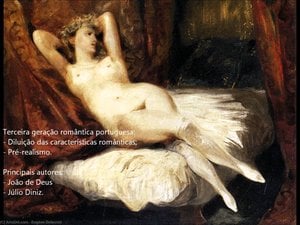
eugene winter juno and aeolus
Reprodukció mérete
To stand before Winter - Juno and Aeolus is to be swept away by a maelstrom of color and emotion. Eugène Delacroix, the quintessential voice of French Romanticism, did not merely paint a scene; he captured a moment of sublime, elemental power. Created in 1856, this oil on canvas pulsates with the very energy of the mythological forces it depicts. It is a departure from the cool rationality of Neoclassicism, instead embracing the passionate, dramatic sweep of human and divine experience. The air itself seems thick with narrative tension, inviting the viewer to lose themselves in its vibrant chaos.
At the heart of this dramatic tableau are figures steeped in classical myth. We see the majestic presence of Juno, the goddess, whose spread wings suggest both divine power and a sense of being caught within a grand natural force. Beside her, or perhaps amidst the swirling backdrop, is Aeolus, the god who commands the winds. The composition masterfully balances these powerful entities against a dramatic landscape—a rocky precipice battered by unseen gales. Delacroix’s genius lies in making the mythological feel immediate and visceral. One can almost hear the roar of the wind and feel the spray of the sea against the cliff face, transforming ancient lore into a palpable, living drama.
Technically, the painting is a breathtaking display of Delacroix’s unparalleled command over color. He employs contrasting hues not just for visual appeal, but to build emotional resonance; the deep blues of the sky clash thrillingly with warmer tones suggesting struggle or divine radiance. Observe the brushstrokes: they are anything but delicate. They are bold, expressive, and visible, conveying the very force and agitation of the scene. This technique allows the emotion—the sublime terror mixed with awe—to become as much a subject as the figures themselves. It is art that demands to be felt, not just observed.
For those who wish to incorporate this potent vision into their own space, acquiring a high-quality reproduction of Winter - Juno and Aeolus offers an unparalleled connection to the Romantic spirit. It serves as more than mere decoration; it is a focal point of dramatic contemplation. Whether placed in a grand hall or a richly decorated study, its energy will infuse any room with a sense of elevated drama and intellectual depth. Owning this piece allows one to possess a tangible echo of Delacroix’s revolutionary vision—a testament to the enduring power of myth when filtered through the passionate brush of genius.
Eugène Delacroix dokumentált témái – rubens inspiration, exotic narrative, dramatic tension, mythological symbolism, romantic legacy – között a „eugene winter juno and aeolus” különös hangsúlyt fektet mythology, landscape, wind, goddess, figures, drama, color-ra.
A „eugene winter juno and aeolus”, Eugène Delacroix alkotása Dark színei tökéletesen illeszkednek a javasolt helyiséghez: egy Living Room.
A „eugene winter juno and aeolus”, Eugène Delacroix alkotása népszerűségi szintje Iconic. Ez a besorolás azt tükrözi, mennyire ismert és elismert ez a mű.

Ferdinand Victor Eugène Delacroix, 1798-ban született Charenton-Saint-Maurice-ban Párizs közelében, nem csupán festő volt; a romantika lánglelkét testesítette meg. A francia művészet egyik vezető alakjaként emelkedett ki társadalmi viharok és változó esztétikai ideálok korában. Delacroix elutasította a neoklasszicizmus szigorú formalizmusát, ehelyett a drámát, az érzelmeket és egy vibráló palettát ölelt, ami örökre megváltoztatta a festészet útját. Élete, bár személyes tragédiákkal terhelt, elválaszthatatlanul összefonódott művészi látásával – a szublim felfogásának, egzotikus tájak feltárásának és az emberi tapasztalat nyers erejének megörökítésének törekvésével.
Delacroix korai éveit bonyolult családi történet és kissé törékeny egészség alakította. Tizenhat évesen Charles-Maurice de Talleyrand-Périgord befolyásos személyiség nyújtott neki útmutatást, akit sokan igazi apjának tartottak. Ez a kapcsolat kulcsfontosságú pártfogást és hozzáférést biztosított a párizsi művészvilághoz. Kezdetben Pierre-Narcisse Guérin tiszteletreméltő akadémiai festőnél tanult, de Théodore Géricault munkája – különösen monumentális *A Medúza tutaja* című alkotása – ébresztette fel igazán Delacroix művészi szenvedélyét. Még Géricault számára is pózolt, elnyelve az idősebb művész realizmus iránti elkötelezettségét és érzelmi intenzitását.
Delacroix 1822-ben robbant be a Szalon színpadára *Dante és Vergilius a pokolban* című művével, amely azonnal jelezte eltérését a megszokott normáktól. Dante Alighieri *Inferno*-jából merítve a festmény báldag színekkel, dinamikus kompozícióval és kézzelfogható pszichológiai nyugtalansággal tündökölt. Ez egy karrier kezdetét jelentette, amely a szenvedély, a konfliktus és az emberi létezés témáinak felfedezésére szenteltetett. Bár eleinte vegyes reakciókat kapott – egyes kritikusok dicsérték eredetiségét, mások pedig kaotikusnak és klasszikus finomság hiányosnak tartották a munkáját –, Delacroix kitartott, és egyedi stílust alakított ki, amelyet laza ecsetkezelés, gazdag textúrák és a mozgás hangsúlyozása jellemezett.
Érdeklődése túlmutatott a történelmi és irodalmi témákon. 1832-ben tett egy sorsfordító utazást Észak-Afrikába, ami mélyen befolyásolta művészi pályáját. Elmerülve Marokkó vibráló kultúrájában Delacroix lenyűgözte az egzotikus tájakat, az arab törzsek nomád életmódját és hagyományaik intenzitását. Ez a tapasztalat újfajta színt, fényt és energiát öltött festményeibe, mint például *Harcoló arab lovak* című művében és számos algériai élet tanulmányában. Nem csupán dokumentálta ezeket a jeleneteket; arra törekedett, hogy megértse egy kultúra mélyebb lényegét, amely nagymértékben eltér az övétől.
Delacroix színek mestersége talán a legmaradandóbb öröksége. A barokk exuberanciából merítve Rubens-től és a velencei reneszánszi mesterektől, a kromatikus intenzitást részesítette előnyben a pontos rajzolással szemben. Megértette, hogy a szín érzelmeket ébreszthet, hangulatot teremthet és olyan jelentést közvetíthet, amelyet egyedül a vonal nem tud. Ez az innovatív megközelítés mélyen befolyásolta a következő generációk művészeit, utat nyitva az impresszionizmus és a posztimpresszionizmus számára.
Esztétikai újításai mellett Delacroix politikai elkötelezett művész volt. Leghíresebb alkotása, *A szabadság vezeti a népet* (1830) nem csupán a júliusi forradalom ábrázolása; a szabadság és a lázadás erőteljes allegóriája. A festmény dinamikus kompozíciója, allegorikus alakjai és nyers érzelmi ereje biztosította helyét a művészettörténetben a francia nemzeti identitás és forradalmi ideálok szimbólumaként. Nem csupán egy esemény dokumentálásáról szólt; az ország szabadságért küzdő lelkének megragadásáról.
Delacroix élete során továbbra is termékenyen festett, sokféle témát felfedezve a shakespeare-i tragédiáktól kezdve a bibliai narratívákig. Jelentős hozzájárulást tett a litográfia területén is, William Scott és Johann Wolfgang von Goethe műveit illusztrálva. Stúdiója művészi csere központjává vált, ambiciózus festőket vonzva, akik rajongtak szokatlan megközelítéséért.
1863-ban bekövetkezett halálakor Delacroix Franciaország egyik legnagyobb művészének bizonyult. Hatása messze túlmutatott a romantikus mozgalmon, formálva a modern festészet fejlődését és számtalan művészt inspirálva báldag színekkel, dinamikus kompozíciókkal és az érzelmi kifejezés iránti töretlen elkötelezettségével. Továbbra is kulcsfontosságú alak marad a művészettörténetben – tanúságtevő az egyéni látás erejéről és a szublim örök vonzerejéről.

1798 - 1863 , Franciaország

Discover the profound emotional depth of Romanticism art. Explore the dramatic mastery of Delacroix and the sublime landscapes that defined an era. A sophisticated guide for classic art enthusiasts seeking to understand the power of movement, light, and untamed nature.

Explore the breathtaking world of the Pre-Raphaelite Brotherhood. Discover how this movement redefined Victorian art through vivid detail, mythological depth, and romanticism. An expert guide for classic art enthusiasts seeking to rediscover these timeless masterpieces.

Explore the profound beauty of mythological figures through the lens of art history. From Renaissance masterpieces to custom oil reproductions, discover how legendary tales of heroism and divinity are immortalized in fine art for discerning collectors.

Explore the profound tension between Neoclassicism's rational order and Romanticism's emotional depth. An expert journey through the masters of art history, from David to Delacroix, perfect for collectors and enthusiasts seeking a deeper understanding of artistic evolution.

Embark on a sophisticated journey through the eternal allure of mythological art. Discover how master painters breathe life into ancient legends, from Greek deities to Baroque masterpieces, and learn to curate these timeless narratives within your own exquisite art collection.
 Megtekintés
 Küldés
 Megosztás
 Részletek
 Útmutató

 Letöltés
 Hasonló darabok
 X-ray felvétel
 Diavetítés
 Q&A
Q&A Statisztika

 Összes részlet megjelenítése









 Az üvegkeretes opció csak 110 cm alatti méretben érhető el