Megtekintés AR előnézet Kézzel festett másolat rendelése Áttérés digitális képre Küldés
Részletek Útmutató Kedvencekhez ad Letöltés Hasonló darabok X-ray felvétel Diavetítés Statisztika

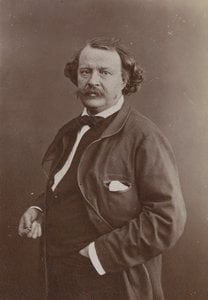
Sarah Bernhardt

Experience the captivating portrait of Sarah Bernhardt by Félix Nadar. This iconic 1864 daguerreotype captures her dramatic intensity and timeless beauty, showcasing a pivotal moment in theatrical history.

Félix Nadar (1820-1910): francia fotóművész és a légfotózás úttörője, aki Baudelaire, Hugo lenyűgöző portréiról és a fény innovatív felhasználásáról ismert.

Giclée / Műnyomat

Múzeumi minőségű giclée vagy vászonnyomat, gyors gyártással és rugalmas finomítási lehetőségekkel. ( Kézzel festett másolat rendelése Áttérés digitális képre)

Corner sample of the P118B picture frame: formázott polisztirol, 5 cm wide and 3 cm thick
P118B Ft10
Corner sample of the P118H picture frame: formázott polisztirol, 5 cm wide and 3 cm thick
P118H Ft10
Corner sample of the P118W picture frame: formázott polisztirol, 5 cm wide and 3 cm thick
P118W Ft10
Corner sample of the P438Z picture frame: formázott polisztirol, 5.5 cm wide and 3.5 cm thick
P438Z Ft10
Corner sample of the P508JH picture frame: formázott polisztirol, 7 cm wide and 3.5 cm thick
P508JH Ft12
Corner sample of the P508YH picture frame: formázott polisztirol, 7 cm wide and 3.5 cm thick
P508YH Ft12
Corner sample of the P805H picture frame: formázott polisztirol, 5 cm wide and 3.5 cm thick
P805H Ft10
Corner sample of the P805Z picture frame: formázott polisztirol, 5 cm wide and 3.5 cm thick
P805Z Ft10
Corner sample of the P919BZ picture frame: formázott polisztirol, 7 cm wide and 3.5 cm thick
P919BZ Ft10
Corner sample of the P919G picture frame: formázott polisztirol, 7 cm wide and 3.5 cm thick
P919G Ft10
Corner sample of the P919XJ picture frame: formázott polisztirol, 7 cm wide and 3.5 cm thick
P919XJ Ft10
Corner sample of the P959ZH picture frame: formázott polisztirol, 5 cm wide and 3 cm thick
P959ZH Ft10
Corner sample of the P968JZ picture frame: formázott polisztirol, 6 cm wide and 4 cm thick
P968JZ Ft12
Corner sample of the W106C picture frame: tömörfa, 5 cm wide and 3 cm thick
W106C Ft8
Corner sample of the W218G picture frame: tömörfa, 5 cm wide and 3 cm thick
W218G Ft10
Corner sample of the W218JH picture frame: tömörfa, 5 cm wide and 3 cm thick
W218JH Ft8
Corner sample of the W218Y picture frame: tömörfa, 5 cm wide and 3 cm thick
W218Y Ft10
Corner sample of the W307PJ picture frame: tömörfa, 6 cm wide and 3 cm thick
W307PJ Ft10
Corner sample of the W316G picture frame: tömörfa, 6 cm wide and 3 cm thick
W316G Ft10
Corner sample of the W316PJ picture frame: tömörfa, 6 cm wide and 3 cm thick
W316PJ Ft8
Corner sample of the W316Y picture frame: tömörfa, 6 cm wide and 3 cm thick
W316Y Ft10
Corner sample of the W398PJ picture frame: tömörfa, 5 cm wide and 3 cm thick
W398PJ Ft8
Corner sample of the W4111J picture frame: tömörfa, 6.5 cm wide and 3.5 cm thick
W4111J Ft10
Corner sample of the W500HY picture frame: tömörfa, 7 cm wide and 5 cm thick
W500HY Ft15
Corner sample of the W500JH picture frame: tömörfa, 7 cm wide and 5 cm thick
W500JH Ft15
Corner sample of the W692G picture frame: tömörfa, 8 cm wide and 4 cm thick
W692G Ft12
Corner sample of the W849H picture frame: tömörfa, 5 cm wide and 3 cm thick
W849H Ft8
Corner sample of the W940BG picture frame: tömörfa, 7.5 cm wide and 4.5 cm thick
W940BG Ft15
Corner sample of the W953PJ picture frame: tömörfa, 6 cm wide and 3.5 cm thick
W953PJ Ft8

Standard méret
egyedi méretű
CM
INCH

Válasszon előre meghatározott méreteink közül, amelyek megfelelnek a műalkotás eredeti arányainak.

szélesség
magasság

Írja be a keretének vagy a falának megfelelő szélességet és magasságot. A nyomatot csak le lehet vágni, soha nem tehető nagyobbá, mint az eredeti kép, így egy eltérő alakú méretnél a kép egy része elveszik. Mielőtt bármit kinyatintanánk, küldünk egy digitális próbamodellt jóváhagyásra. Az oldalon látható kép nem tartalmazza a valós levágást — ezt csak a próbamodell mutatja meg.

Világszerte történő kiszállítás területére mindössze 2 hét alatt, a szokásos 4-5 hét helyett. (27 október)

Ingyenes globális expressz szállítás
Prémium minőségű len vászon
Teljes körű szállítási biztosítás
Vámvisszatérítési Garancia
Hiteles színarányosság garancia
100 napos visszaküldési lehetőség (csak hibás termékek esetén)
100% pénzvisszatérítési garancia
Több darab vásárlásakor kedvezmény

Összesített ár

Ft 21953

Sarah Bernhardt

Giclée / Műnyomat

Reprodukció mérete

-

Összesített ár

Ft 21953

Gyors információk

  • Dimensions: 21 x 16 cm
  • Artist: Félix Nadar
  • Year: 1864
  • Subject or theme: Actress Sarah Bernhardt
  • Location: Getty Museum, Los Angeles

Művészeti kvíz

Minden kérdésre csak egy helyes válasz létezik.

Kérdés 1:
What is the primary subject of Félix Nadar’s photograph, ‘Sarah Bernhardt’?
Kérdés 2:
The photograph ‘Sarah Bernhardt’ was taken in which year?
Kérdés 3:
Which photographic process is most likely used in Félix Nadar’s ‘Sarah Bernhardt’?
Kérdés 4:
What is the significance of the lighting in ‘Sarah Bernhardt’?
Kérdés 5:
Félix Nadar was known for his pioneering work in which area of photography?

A Portrait of Timeless Grace: Sarah Bernhardt by Félix Nadar

Félix Nadar’s “Sarah Bernhardt,” captured in 1864, transcends the conventional portrait and becomes a profound study of presence—a frozen moment of theatrical intensity. More than simply a likeness, it's an intimate revelation of the legendary actress herself, radiating both vulnerability and formidable strength. The photograph, executed with the meticulous precision characteristic of Nadar’s work, offers a rare glimpse into Bernhardt’s carefully constructed stage persona, yet simultaneously hints at the woman beneath the glittering facade.

The image is dominated by a striking monochrome palette—a symphony of grays ranging from deep charcoal to delicate silver. This deliberate absence of color forces the viewer to focus entirely on form and texture, highlighting the intricate details of Bernhardt’s face, the luxurious drape of her shawl, and the subtle play of light and shadow across her features. Nadar masterfully employs chiaroscuro—the dramatic contrast between light and dark—to sculpt Bernhardt's figure, emphasizing her cheekbones, the delicate curve of her lips, and the downward tilt of her head, a gesture that simultaneously conveys melancholy and quiet contemplation.

The Language of Photography: Technique and Process

Nadar’s choice of wet collodion process is crucial to understanding the photograph's unique character. This demanding technique required immediate development—the plate had to be prepared, exposed, and processed within minutes, creating a remarkable immediacy in the image. The slight imperfections inherent in this method – subtle shifts in tone, minute variations in sharpness – contribute to the photograph’s authentic feel, imbuing it with a sense of captured time rather than a polished, idealized representation.

The composition itself is remarkably restrained. Nadar eschews elaborate backgrounds or distracting props, focusing entirely on Bernhardt and her immediate surroundings. The shallow depth of field further isolates the subject, drawing the viewer’s attention to her face and creating an intimate sense of connection. Note the subtle vignette effect around the edges – a darkening that frames the subject and directs the eye inward, mirroring the theatrical spotlight she commanded on stage.

A Star is Born: Context and Symbolism

“Sarah Bernhardt” was taken at a pivotal moment in the actress’s career. Just twenty years old, she was already establishing herself as one of France's most celebrated performers, captivating audiences with her dramatic range and magnetic stage presence. The photograph captures this burgeoning fame—the poised confidence, the hint of vulnerability—and foreshadows the legendary status she would eventually achieve.

The shawl draped around Bernhardt’s shoulders is more than just a garment; it's a symbol of both protection and concealment. It frames her face, drawing attention to her expressive eyes and carefully controlled expression, while simultaneously hinting at the layers beneath—the private emotions and personal struggles that fueled her performances. The downward gaze, often interpreted as sadness or introspection, adds a layer of complexity to the portrait, suggesting a depth beyond mere theatricality.

A Legacy in Silver: Nadar’s Vision

Félix Nadar's “Sarah Bernhardt” stands as a testament to his pioneering spirit and artistic vision. He wasn’t simply documenting a celebrity; he was attempting to capture the essence of a personality, revealing the inner life behind the public persona. This photograph exemplifies Nadar’s approach to portraiture—a willingness to challenge conventions, embrace imperfection, and delve into the psychological complexities of his subjects. It remains a powerful and enduring image, offering a captivating glimpse into the world of 19th-century theater and the remarkable woman who dominated it.

Kérdések és válaszok

A "Sarah Bernhardt" Félix Nadar egyik legnépszerűbb műve?

A „Sarah Bernhardt”, Félix Nadar alkotása népszerűségi szintje: Iconic.

Milyen tónus felé hajlik a "Sarah Bernhardt"?

A „Sarah Bernhardt” egy Green to Violet Spectrum tónus felé hajlik.

Letölthető-e a(z) "Sarah Bernhardt"?

A „Sarah Bernhardt”, Félix Nadar alkotása képe letölthető a mű Letöltés oldaláról: magas felbontású digitális kép letöltése.


A művész életrajza

Félix Nadar: A fotográfia úttörője

Kora és kezdetek

  • Született: Gaspard-Félix Tournachon, 1820. április 5-én, Párizsban (bár egyes források Lyonra is utalnak).
  • Apja, Victor Tournachon, nyomdafogadó és könyveskeresked volt.
  • Eredetileg orvoslás studált, de apja halála után bekövetkező anyagi nehézségek miatt kénytelen volt feladni tanulmányait.
  • Nadar néven híresült művész karrierjét karikaturistaként és regényíróként kezdte, számos újságszerzőként alkotva.

A karikatúrától a fotográfiáig

  • Az 1853 körül kezdett kísérletezni a fotográfia világával.
  • Első fotózó stúdióját 1854-ben nyitotta meg a 113 rue St. Lazare szalonban, majd 1860-ban a Boulevard des Capucines 35. számú helyre költözött.
  • Gyorsan elnyerte hírnevét lenyűgöző és pszichológiai mélységű portréival.
  • A konvenciók megtörése: Nadar kerülni kezdte a portrézésben akkoriban megszokott pompás, díszes háttérket; helyette a természetes fényt és az alany személyiségének megörökítését részesítette előnyben.

A légfényképezés úttörője

  • 1858-ban Nadar volt az első ember, aki ballon segítségével légfényképeket készített.
  • Megoldotta a magassági fényképezéssel kapcsolatos technikai nehézségeket is, például a fényhordozó táblák fejlesztését a nagy ketingyen, egy gáztűrő pamutvédőt találva ki a ballonkosarak számára.

  • A fotográfia területén a mesterséges világítás egyik piontere volt, különösen a párizsi katakombák sötét labirintusaiban.
  • Le Géant: 1863-ban egy hatalmas, „Le Géant” (A Óriás) nevű ballon építését rendelte meg, amely közvetlenül inspirálta Jules Verne *Five Weeks in a Balloon* című művét is.

Főbb eredmények és hatások

  • Portrézás: Számos neves személyt fotózott meg, köztük Victor Hugót, Charles Baudelaire-t, Sarah Bernhardtot és Gustave Courbetet.
  • A párizsi ostrom idején (1870-71) ballonos repülések segítségével létrehozta a világ első légpostai rendszerét.
  • Saját stúdiójában rendezte meg az első impresszionista kiállítást 1874-ben, ezzel döntő platformot biztosítva a feltörekvő művészek számára.
  • 1886-ban publikálta, amit az első fotóinterjúnak tekintenek, amelyben Michel Eugène Chevreul vegyész szerepelt.

Késő évek és örökség

  • Stúdióját 1895 és 1909 között Marseille-be költötte.
  • 1910. március 20-án, Párizsban hunyt el, és a Père Lachaise temetőmis gyászolt.
  • Fia, Paul Nadar, halála után folytatta a stúdió működését.
  • Quand j’étais photographe: Megírta emlékíróját, amely visszatekintésre nyújt az életére és munkásságára, értékes betekintést nyitva a 19. századi fotográfiába.
  • Történelmi jelentőség: Nadar innovatív technikái és művészi látásmódja mélyrehatóan befolyásolták a fotográfia fejlődését, mint autonóm művészetforma. Portréi ma is a párizsi intellektuális és művészeti körök ikonikus ábrázolásai maradnak.
Félix Nadar

Félix Nadar

1820 - 1910 , Franciaország

Rövid információk

  • Birth Date: 1820. április 5.
  • Death Date: 1910. március 20.
  • Influenced: ['Jules Verne']
  • Movement:
    • Fotográfia
    • Karikatúra
    • Impresszionizmus (összefüggés)
  • Name: Félix Nadar
  • Nationality: Francia
  • Notable Works:
    • Baudelaire, Hugo, Delacroix portréi
    • Légifotózás
    • Fotóinterjú Chevreullal