MegtekintésMegtekintés Műalkotás AR előnézeteMűalkotás AR előnézete Áttérés Nyomtatványra Áttérés NyomtatványraKézzel festett másolat rendelése Kézzel festett másolat rendelése KüldésKüldés
RészletekRészletek Kedvencekhez ad Kedvencekhez ad LetöltésLetöltés Hasonló darabokHasonló darabok X-ray felvételX-ray felvétel DiavetítésDiavetítés StatisztikaStatisztika

Willows

Paul Gauguin’s "Willows" captures a serene scene of a woman and child amidst animals, showcasing the artist's vibrant Post-Impressionist style. Explore this iconic work and its rich history – perfect for art lovers.

Paul Gauguin: A révolution francia festő, aki a merész színeivel és egzotikus témáival definiálta a modern művészetet. Fedezd fel a gazdag életét és alkotásait!

Vásároljon nagy felbontású, javított digitális képet, amely minőségében messze felülmúlja az online előnézetet.

Minden fájlt szakembereink a legmodernebb eszközök és precíz, kézi retusálás segítségével készítenek el aprólékosan. Gondoskodunk arról, hogy minden kép kivételes tisztasággal, pontos színhelyességgel és részletgazdag finomsággal rendelkezzen.

A végleges fájl 72 órán belül e-mailben megérkezik, professzionális, szerkesztői és nyomtatási környezetbe optimalizálva az azonnali használathoz. Ez ugyanaz a minőség, amelyben a legmeghatározóbb tervezőstúdiók, kiadók és galériák is megbízhatnak.

Digitális kép

Töltsön le nagy felbontású fájlt személyes kiállításokhoz, nyomtatáshoz és kreatív projektekhez. (Áttérés Nyomtatványra Áttérés NyomtatványraKézzel festett másolat rendelése Kézzel festett másolat rendelése)

Összesített ár

$ 24,90

Minden digitális kép rendeléséhez tartozó extrák

Szakértői digitális kézbesítés, garantáltan

Amikor a WahooArt.com szolgáltatást választja, nem csupán egy képet kap – professzionálisan felmagasított digitális műalkotást kap, amely precizitással készült, és amelyet megelégsedési gwarancia tesz biztoslássá. Az alábbiakban automatikusan minden benne 】

shipping_icon
Gyors e-mail teslimítés

A nagy felbontású digitális képmásolatát a megrendelést követő 72 órán belül e-mailben elküldjük Önnek – azonnal használható formátumban.

canvas_icon
MI-alapú digitális fejlesztésű fájl

Műve professzionális módon kerül optimalizálásra fejlett mesterséges intelligencia eszközök és manuális szerkesztés segítségével, biztosítva a maximális részletességet, tisztaságot és színpontosságot.

insurance_icon
Örök életű ingyenes újradelivery

Véletlenül törölted vagy elvesztetted a fájlodat? Ne aggódj – bármikor ingyen újra megküldjük neked.

tax_icon
Nincs importköltség – soha

Élvezze műalkotásait azonnal, vám, illeték vagy szállítási költség nélkül – a digitális letöltések mindig adamentesek.

color_icon
Színpontosság garantálása

Professzionális eszközök és színkezelés segítségével garantáljuk, hogy digitális képe a lehető legpontosabban tükrözze az eredeti színeket.

return_icon
100 napos elégedettségi garancia

Ha nemມີ elégedett a digitális képével, 100 napon belül felülvizsgáljuk vagy 100% visszatérítjük az amountot – kérdés बिना.

guarantee_icon
100% Pénzvisszatérítési garancia

Nem tetszett a vásárlás? 100 napon belül teljes visszatérítést garantálunk a digitális fájl megvételétől számítva – kérdés बिना.

discount_icon
Tömegrendelési kedvezmények

Vásároljon 3 képet, spóroljon 10%-et - Vásároljon 5-öt, spóroljon 15%-et - Vásároljon 10+ képet, spóroljon 20%-at. Kiváló kreatív projektekhez, galériákhoz és ügynökségekhez.

Gyors információk

  • Movement: Post-Impressionism
  • Influences:
    • Van Gogh
    • Émile Bernard
  • Notable elements: Animals, woman, baby
  • Artist: Paul Gauguin
  • Title: Willows
  • Year: 1889
  • Medium: Oil on canvas

Paul Gauguin's "Willows": A Serene Vision of Rural Life

Paul Gauguin’s “Willows,” painted in 1889 during his time at the asylum in Saint-Rémy-de-Provence, is more than just a depiction of a pastoral scene; it’s a profound meditation on humanity's connection to nature and the quiet rhythms of rural existence. The painting immediately draws the viewer into a world of tranquil beauty, dominated by the warm hues of earth and sky, punctuated by the vibrant colors of the animals and figures within. Gauguin masterfully employs his signature style – bold brushstrokes and a deliberate flattening of perspective – to create an almost tactile quality, inviting us to step directly into this intimate moment.

Composition and Symbolism

The composition is remarkably balanced, centered around a woman seated on the ground, tenderly feeding her infant. This maternal scene, rendered with remarkable sensitivity, speaks to themes of nurturing, life, and continuity. The presence of the two cows and three sheep further reinforces this connection to the land, symbolizing fertility and abundance. Notably, one cow is positioned closer to the viewer, creating a sense of immediacy and inviting us into the narrative. Gauguin’s deliberate use of color – rich ochres, deep blues, and vibrant greens – isn't merely decorative; it carries symbolic weight, reflecting the earth’s bounty and the spiritual resonance he sought in his art. The trees forming the backdrop aren't just a setting; they represent stability, wisdom, and the enduring power of nature.

Contextualizing "Willows": Gauguin's Post-Impressionist Vision

"Willows" firmly establishes Gauguin within the burgeoning movement of Post-Impressionism. Influenced by artists like Vincent van Gogh and shaped by the theories of Émile Bernard’s exploration of Synthetism, Gauguin sought to move beyond the fleeting impressions of Impressionism towards a more subjective and emotionally charged representation of reality. His friendship with Van Gogh, though tragically short, undoubtedly impacted his artistic trajectory, as evidenced by shared thematic concerns regarding capturing natural beauty and human experience. The painting's creation during his time at Saint-Rémy reflects Gauguin’s ongoing struggle with mental illness, yet paradoxically, it reveals a profound yearning for peace and harmony – a desire that permeates much of his work.

A Legacy of Color and Emotion

“Willows” stands as a testament to Gauguin's revolutionary approach to art. It’s a painting that invites contemplation, prompting us to consider our own relationship with the natural world and the enduring human need for connection and solace. Reproductions of this iconic work capture not only its visual beauty but also the emotional depth and artistic innovation that defined Gauguin’s legacy. A hand-painted reproduction offers an unparalleled opportunity to bring this masterpiece into your home, allowing you to experience firsthand the power and serenity of Gauguin's vision.


A művész életrajza

A Life Painted in Bold Strokes: The World of Paul Gauguin

Eugène Henri Paul Gauguin, a name that resonates with vibrant color and rebellious spirit, stands as a pivotal figure in the transition from Impressionism to modern art. Born in Paris in 1848, his life was anything but conventional. His early years were shaped by an unusual upbringing; his father a journalist, and his mother descended from Peruvian aristocracy—her grandmother, Flora Tristan, a pioneering feminist and socialist writer whose ideals undoubtedly resonated within the family. This heritage would profoundly shape Gauguin’s artistic vision, instilling in him a fascination with cultures beyond Europe. A formative period spent in Peru as a child, following his family's relocation in 1850, immersed him in a world vastly different from Parisian society, an experience that lingered and ultimately fueled his quest for authenticity in art. Returning to France after his father’s death, Gauguin received a formal education but found himself drawn not to academia, but to the burgeoning financial world, embarking on a career as a stockbroker—a path seemingly at odds with the artistic destiny that awaited him.

From Finance to Artistic Calling

For years, Gauguin led a double life, diligently pursuing his business ventures while secretly nurturing a passion for painting. Initially influenced by the Impressionists, he began experimenting with color and light in his spare time, but soon felt constrained by their dedication to capturing fleeting moments of reality. The financial crisis of 1882 proved a turning point, forcing him to abandon his lucrative career and wholeheartedly embrace his artistic calling. This wasn’t merely a change in profession; it was a fundamental shift in worldview. He sought guidance from Camille Pissarro, who encouraged his development and introduced him to the avant-garde circles of Paris. However, Gauguin quickly began to diverge from Impressionistic principles, yearning for something more expressive, more symbolic—a means of conveying not just what he *saw*, but what he *felt*. This desire led him on a journey of artistic exploration that would take him far beyond the Parisian salons and into the heart of “primitive” cultures. He wasn’t simply interested in depicting these cultures; he sought to absorb their essence, believing they held a purity lost in Western civilization.

The Call of Brittany and Tahiti

Gauguin’s artistic evolution was inextricably linked to his travels. He spent time in Brittany, captivated by the rugged landscapes and deeply rooted traditions of its people. This period saw him experimenting with flattened forms, bold outlines, and a simplification of composition—techniques that moved him further away from naturalism and closer to a more symbolic language. However, it was his journey to Tahiti in 1891 that truly unleashed his creative potential. Seeking refuge from what he perceived as the stifling constraints of European civilization, Gauguin hoped to find inspiration in Polynesian culture, believing it offered a purer, more authentic way of life. This wasn’t simply an artistic pursuit; it was a spiritual quest. He immersed himself in local customs and beliefs, depicting Polynesian women, landscapes, and religious practices through his unique lens. Iconic paintings like “Vahine no te miti” (Woman with Mango), “Manao Tupapau” (Watched by the Spirit of the Dead), and “The Day of Gods emerged from this period, solidifying his reputation as a visionary artist. His use of color became increasingly bold and non-naturalistic, serving not to replicate reality but to express emotion and spiritual meaning.

Key Influences & Artistic Characteristics

  • Impressionism: Early influence on color and light, later rejected for its focus on fleeting reality.
  • Japonisme: Inspired flattened perspectives, bold outlines, and decorative patterns.
  • Medieval Art: Influenced symbolic imagery and a rejection of strict realism.
  • Synthetism: A style developed by Gauguin emphasizing the creation of art based on subjective experience rather than objective observation.
  • Primitivism: Fascination with non-Western cultures, believing they offered a more authentic and spiritual way of life. This is reflected in his subject matter and stylistic choices.

Legacy and Controversy

Despite his artistic breakthroughs, Gauguin’s life was often marked by hardship. He struggled with financial difficulties and declining health during his time in Tahiti and later on the Marquesas Islands, where he eventually settled. Yet, he continued to paint prolifically, relentlessly exploring themes of life, death, and spirituality. He died in 1903 on Hiva Oa, a remote island in the Marquesas archipelago, largely unrecognized for his genius. It was only after his death that Gauguin’s work began to receive the acclaim it deserved. Today, he is celebrated as a pivotal figure in the development of modern art, bridging the gap between Impressionism and Symbolism, and paving the way for movements like Fauvism. His use of color, simplified forms, and symbolic imagery profoundly influenced artists such as Pablo Picasso, Henri Matisse, and countless others. However, Gauguin remains a controversial figure due to aspects of his personal life—particularly his relationships with young Polynesian women—which continue to be debated and reinterpreted in light of contemporary ethical considerations. Nevertheless, his artistic contributions are undeniable, and his legacy continues to inspire artists and art lovers around the world. He was a true innovator, a rebel who dared to challenge conventions and forge his own path, leaving behind a body of work that is as captivating and enigmatic as the man himself.

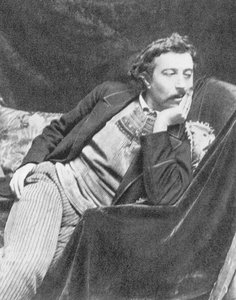
Gauguin

Gauguin

1848 - 1903 , Franciaország

Érdekességek

  • Artistic Movement Or Style: Posztimpresszionizmus, Szimbolizmus
  • Artists Or Movements Influenced By This Artist:
    • Picasso
    • Matisse
  • Artists Who Influenced This Artist: ['Camille Pissarro']
  • Date Of Birth: 1848. június 7.
  • Date Of Death: 1903. május 8.
  • Full Name: Eugène Henri Paul Gauguin
  • Nationality: Francia
  • Notable Artworks:
    • Vahine no te miti
    • Manao Tupapau
    • Aistenherceg napja
  • Place Of Birth: Párizs, Franciaország