Élet és kiképzés
Eugène Anatole Carrière, a híres francia szimbolista művész, 1849.január 16-án született Gournay-sur-Marne településen, Seine-Saint-Denis megyében. Édesapja egy biztosítótársaság munkása volt, és gyermekei nevelése a családi vállalkozás körül szerveződött. Carrière művészi pálya elindításához Strasbourgba költöztek, ahol alaposan tanulmányozta a művészetet az École Municipale de Dessin irodájában, ezzel is felkészülve a későbbi karrierjére. A Francia-PruSSIai háború idején, amikor Franciaország lerángózott a németeknek, Carrière egy foglalasztott börtönben töltött időt, ami mély nyomot hagyott rajta és inspirálta a művészete szellemi világát. A börtönélmény után, 1872-73-ban Párizsban dolgozott Jules Chéret grafikusnál, ahol elsajátította a litográfia technikáját. Az általa elért sikertelenség ellenére Carrière nem adta fel álmait, és 1878-ban bemutatta első műveit a Salonon, bár ezek nem vonzották az közönséget. A következő években, amikor a pénz szűkös volt, segített a Sèvres porcelángyárban, ahol találkozott Auguste Rodinnal, aki később nagyon jó barát lett.
Művészi stílus és befolyásolók
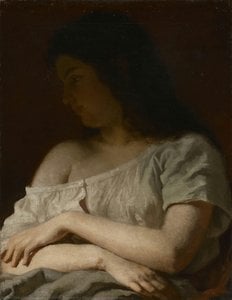
Carrière művészete leginkább a jellegzetes barna monokróm palettájáért ismert, ami sok művészeti kritikus és szerelmese számára vonzó színfolt volt. A művei nagyban inspirálódnak Peter Paul Rubens munkásságában, akinek képei a Louvre-ban tett látogatása során hatottak rá mélyen. E befolyás a korai festményeiben feltűnő ragyogó színekben nyilvánul meg. Carrière művészete nem csak a színeket, hanem a témát is meghatározta: gyakran ábrázolta otthoni élet jeleneteit, és rendszeresen beépítette feleségének arcképeit a képeibe. A monokróm stílus, amit Carrière fejlesztett ki, nagy hatással volt későbbi művészekre, különösen Pablo Picasso esetében, aki a kék periódusában vonzódott ehhez az egyedi megközelítéshez.
A „Fiatal anya” (1879) és más korai alkotások
„A fiatal anya” (1879), Carrière egyik legkorábbi és legismertebb műve, a Rouen megyei múzeumban található. Ez a festmény jelentősen meghatározta Carrière művészi stílusát, és bemutatta az otthoni élet témáját, amely később egyeduralkodóvá vált. A művész számos más fontos alkotást készített ebben időszakban, mint például „A beteg gyermek” (Montargis) és „Az első béke” (Toulon). Ezek a művek nagyra értékeltek voltak, és többször ki voltak állítva a Société Nationale des Beaux-Arts-ban, amelyet Carrière alapító tagja volt. A művész nem csak a festészet területén mutatkozott be, hanem befolyásolta is a fiatal művészeket az Académie de la Palette-en tanítván.
Fontosabb alkotások és kiállítások
Carrière művei számos múzeumban és magángyűjteményekben tekinthetők meg Franciaországban és külföldön egyaránt. A legfontosabb alkotásai közé tartozik:
- „A beteg gyermek” (Montargis)
- „Az első béke” (Toulon)
- „A fiatal anya” (1879) – Rouen megyei múzeum
- „Louis-Henri Devillez portréja” (1887)
Carrière művei ki voltak állítva a Société Nationale des Beaux-Arts-ban, ahol jelentős szerepet játszott a művészeti élet fejlesztésében. A művész munkássága nem csupán a festészet területén maradt hatással, hanem befolyásolta is a modern művészeket, különösen Pablo Picassót, aki a kék periódusában vonzódott a monokróm stílushoz.
Művi örökség és hatása a modern művészetre
Carrière monokróm stílusa nagyban befolyásolta Pablo Picasso munkásságát, különösen a kék periódusában. Ezt a befolyást tanúsítja Carrière tartós hatása a modern művészetre. A művészek és művészethez érdekelt emberek számára továbbra is ihletforrás marad Carrière munkássága.



 Megtekintés
 Áttérés Nyomtatványra
 Küldés
 Megosztás
 Részletek

 Letöltés
 Hasonló darabok
 X-ray felvétel
 Diavetítés
 Statisztika


 Összes részlet megjelenítése