Megtekintés AR előnézet Kézzel festett másolat rendelése Áttérés digitális képre Küldés
Részletek Útmutató Kedvencekhez ad Letöltés Hasonló darabok X-ray felvétel Diavetítés Kérdések és válaszok Letöltés Statisztika

The Risen Christ

El Greco’s haunting depiction of Christ embodies Baroque drama through ethereal figures and dramatic lighting—a poignant juxtaposition of faith and modern technology symbolized by a cell phone. Explore this iconic masterpiece and bring its timeless beauty into your home.

El Greco manierista stílusa a Count of Orgaz temetkezésében ragyog. Fedezze fel szellemi és drámai remekműveit még ma!

Giclée / Műnyomat

Múzeumi minőségű giclée vagy vászonnyomat, gyors gyártással és rugalmas finomítási lehetőségekkel. ( Kézzel festett másolat rendelése Áttérés digitális képre)

Corner sample of the P118B picture frame: formázott polisztirol, 5 cm wide and 3 cm thick
P118B Ft10
Corner sample of the P118H picture frame: formázott polisztirol, 5 cm wide and 3 cm thick
P118H Ft10
Corner sample of the P118W picture frame: formázott polisztirol, 5 cm wide and 3 cm thick
P118W Ft10
Corner sample of the P438Z picture frame: formázott polisztirol, 5.5 cm wide and 3.5 cm thick
P438Z Ft10
Corner sample of the P508JH picture frame: formázott polisztirol, 7 cm wide and 3.5 cm thick
P508JH Ft12
Corner sample of the P508YH picture frame: formázott polisztirol, 7 cm wide and 3.5 cm thick
P508YH Ft12
Corner sample of the P805H picture frame: formázott polisztirol, 5 cm wide and 3.5 cm thick
P805H Ft10
Corner sample of the P805Z picture frame: formázott polisztirol, 5 cm wide and 3.5 cm thick
P805Z Ft10
Corner sample of the P919BZ picture frame: formázott polisztirol, 7 cm wide and 3.5 cm thick
P919BZ Ft10
Corner sample of the P919G picture frame: formázott polisztirol, 7 cm wide and 3.5 cm thick
P919G Ft10
Corner sample of the P919XJ picture frame: formázott polisztirol, 7 cm wide and 3.5 cm thick
P919XJ Ft10
Corner sample of the P959ZH picture frame: formázott polisztirol, 5 cm wide and 3 cm thick
P959ZH Ft10
Corner sample of the P968JZ picture frame: formázott polisztirol, 6 cm wide and 4 cm thick
P968JZ Ft12
Corner sample of the W106C picture frame: tömörfa, 5 cm wide and 3 cm thick
W106C Ft8
Corner sample of the W218G picture frame: tömörfa, 5 cm wide and 3 cm thick
W218G Ft10
Corner sample of the W218JH picture frame: tömörfa, 5 cm wide and 3 cm thick
W218JH Ft8
Corner sample of the W218Y picture frame: tömörfa, 5 cm wide and 3 cm thick
W218Y Ft10
Corner sample of the W307PJ picture frame: tömörfa, 6 cm wide and 3 cm thick
W307PJ Ft10
Corner sample of the W316G picture frame: tömörfa, 6 cm wide and 3 cm thick
W316G Ft10
Corner sample of the W316PJ picture frame: tömörfa, 6 cm wide and 3 cm thick
W316PJ Ft8
Corner sample of the W316Y picture frame: tömörfa, 6 cm wide and 3 cm thick
W316Y Ft10
Corner sample of the W398PJ picture frame: tömörfa, 5 cm wide and 3 cm thick
W398PJ Ft8
Corner sample of the W4111J picture frame: tömörfa, 6.5 cm wide and 3.5 cm thick
W4111J Ft10
Corner sample of the W500HY picture frame: tömörfa, 7 cm wide and 5 cm thick
W500HY Ft15
Corner sample of the W500JH picture frame: tömörfa, 7 cm wide and 5 cm thick
W500JH Ft15
Corner sample of the W692G picture frame: tömörfa, 8 cm wide and 4 cm thick
W692G Ft12
Corner sample of the W849H picture frame: tömörfa, 5 cm wide and 3 cm thick
W849H Ft8
Corner sample of the W940BG picture frame: tömörfa, 7.5 cm wide and 4.5 cm thick
W940BG Ft15
Corner sample of the W953PJ picture frame: tömörfa, 6 cm wide and 3.5 cm thick
W953PJ Ft8

Standard méret
egyedi méretű
CM
INCH

Válasszon előre meghatározott méreteink közül, amelyek megfelelnek a műalkotás eredeti arányainak.

szélesség
magasság

Írja be a keretének vagy a falának megfelelő szélességet és magasságot. A nyomatot csak le lehet vágni, soha nem tehető nagyobbá, mint az eredeti kép, így egy eltérő alakú méretnél a kép egy része elveszik. Mielőtt bármit kinyatintanánk, küldünk egy digitális próbamodellt jóváhagyásra. Az oldalon látható kép nem tartalmazza a valós levágást — ezt csak a próbamodell mutatja meg.

Világszerte történő kiszállítás területére mindössze 2 hét alatt, a szokásos 4-5 hét helyett. (15 november)

Ingyenes globális expressz szállítás
Prémium minőségű len vászon
Teljes körű szállítási biztosítás
Vámvisszatérítési Garancia
Hiteles színarányosság garancia
100 napos visszaküldési lehetőség (csak hibás termékek esetén)
100% pénzvisszatérítési garancia
Több darab vásárlásakor kedvezmény

Összesített ár

Ft 22297

The Risen Christ

Giclée / Műnyomat

Reprodukció mérete

-

Összesített ár

Ft 22297

Gyors információk

  • Artistic style: Expressive; stylized
  • Medium: Painting
  • Artist: El Greco
  • Movement: Spanish Mannerism
  • Title: The Risen Christ

A Singular Vision: Exploring El Greco’s “The Risen Christ”

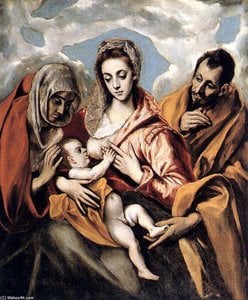
El Greco's "The Risen Christ," a striking monochrome depiction of Jesus ascending into heaven, transcends mere representation; it embodies a profound spiritual quest captured in an unprecedented artistic idiom. Captured in black and white photography, the image presents a statue or painting featuring a nude male figure holding aloft a cell phone – a juxtaposition that immediately compels contemplation about faith and modernity. Two smaller figures inhabit the background, yet their presence feels deliberately understated, serving primarily to frame the central narrative rather than distracting from it.
  • Subject Matter: The artwork centers on the iconic image of Jesus Christ resurrected, symbolizing divine triumph over death and ascension into eternal glory.
  • Style: El Greco’s style is undeniably distinctive—a fusion of Byzantine tradition with Mannerism that anticipates movements like Expressionism and Cubism. Characterized by elongated figures, distorted proportions, and dramatic lighting, it prioritizes emotional intensity over realistic depiction.

Technique and Material Considerations

The photograph itself highlights the meticulous craftsmanship involved in creating this monumental artwork. While the original sculpture or painting would have utilized pigments derived from minerals—likely tempera on wood—the photographic reproduction ensures exceptional clarity and detail, allowing viewers to appreciate the subtle nuances of texture and tonal variation achieved by El Greco’s hand. The artist's masterful manipulation of light contributes significantly to the piece's emotive power, emphasizing Christ’s radiant presence against a muted backdrop.

Historical Context: Toledo and Venetian Influence

Painted in Toledo during El Greco’s later years (approximately 1600-1614), “The Risen Christ” reflects the artist's relocation to Spain following a period spent in Venice. The Venetian influence is palpable in the use of atmospheric perspective—a technique borrowed from Renaissance painting—creating depth and conveying a sense of ethereal grandeur. Toledo, a city steeped in Catholic fervor during El Greco’s time, served as an incubator for artistic innovation driven by religious conviction. This environment fostered experimentation with form and color, pushing boundaries against established conventions.

Symbolism Beyond the Visible

Beyond its immediate depiction of Christ's ascension, “The Risen Christ” speaks to broader themes of spirituality and human aspiration. The inclusion of a cell phone – an emblem of contemporary communication – introduces a surprising element of dissonance, prompting viewers to consider how faith intersects with the technological landscape of our time. It invites reflection on whether we can reconcile spiritual contemplation with the demands of modern life.

Emotional Impact: A Legacy of Transcendence

Ultimately, El Greco’s “The Risen Christ” succeeds in conveying a profound sense of transcendence—a yearning for divine grace and an affirmation of humanity's capacity for faith. The photograph captures this essence beautifully, presenting the artwork as more than just an image; it is an invitation to contemplate the timeless questions of existence and to experience the transformative power of artistic vision.

Kérdések és válaszok

Mekkora a fényerke „The Risen Christ”, El Greco alkotása alkotásnak?

A "The Risen Christ" színei Dark fényerőt mutatnak.

Hogyan ötvöli a technika és a stílus magát a "The Risen Christ" alkotást?

A "The Risen Christ" alkotás Acrylic technikával készült, a Spanish Mannerism stílusban.

Milyen kontraszt jellemzi a „The Risen Christ”, El Greco alkotása alkotást?

A „The Risen Christ”, El Greco alkotása Statement kontrasztot mutat a világos és sötét részek között.


A művész életrajza

A krétai alapok

Doménikos Theotokópoulos, akit a történelem El Greco néven említ, 1541-ben született a Kréta szigetén. Abban az időben a sziget a Velencei Köztársaság birtokában volt, egy olyan tény, amely később lehetővé tette számára, hogy összekapcsolja a keleti és a nyugati hagyományokat. A bizánci hagyományban tanították ikonfestőként, egy olyan fegyelmezett művészetben, amely a részletek apró részleteire való odafigyelést és a tárgy spirituális esszenciájára való fókuszálást követelte a puszta fizikai hasonlóság helyett. Ez a korai elmerülés a krétai iskolában olyan szimbolikus precizitást imparted, amely folyamatosan jelen maradt művészetében, még akkor is, amikor stílusa radikális átalakulásokon ment keresztül.

Huszonhat éves korában Venedzset választott, hogy kibővítse a természet világáról alkotott képzetét. A Velencei Köztársaságban Titian és Tintoretto műveivel találkozott, elszívva a színek mesteri használatát és a formák meghatározáséhez alkalmazott fények művészetét. Megtanulta elmozdulni fiatatossága idejű, merev vonalaitól, egy fluidabb ecsettézés és a dinamizmus érzetét átvett. Ez a korszak nem a gyökerei elutasítása volt, hanem azok tágítása, mivel elkezdte ötvözni görög örökségének fegyelmezett ikonográfiáját az olasz reneszánsz atmoszférikus szenszualitásával.

A toledói átalakulás

Rómában töltött időszak után, ahol a manierizmus megnyúlt alakjaival és kifinomult kompozícióival találkozott, El Greco 1577-ben Toledo-ba költözött Spanyolországba. Ez a lépés döntőnek bizonyult. Toledo a motívációt és a vallási lelkesedést ötvöző központ volt a motíváció reformáció idején, olyan környezetet biztosítva, amely tökéletesen illeszkedett egyre misztikusabb látásmódjához. Itt érte el stílusa legjellegzetesebb szakaszát, amelyet olyan alakok jellemeztek, amelyek megnyúltnak és torzultnak tűntek, mintha egy láthatatlan spirituális erő nyújtaná őket. A színeket nem a valóság utánzójaiként használta, hanem az érzelmi hatás fokozására, gyakran alkalmazva a természetellenes árnyalatokat is a divine, az isteni lényeg ábrázolásához.

Spanyolországi művészete az földi és az éteri közötti feszültségben nyilvánult meg. A Count of Orgaz temetkezése (1586-1588) című művében a kortárs alakok valósághű ábrázolását megkombinálta a megnyúlt, mennyei formákkal, vizuális hidat építve a halandó és az isteni között. A fény és az árnyék manipulálásának képessége olyan drámai hatást keltett, amely egyszerre volt teatrális és mélyen személyes. Nem csupán jeleneteket festett; megpróbálta megörökíteni azokat az érzelmi és spirituális valóságokat, amelyek a fizikai világ felszínén túlélnek.

Forma és fény öröksége

Életének késő éveit még nagyobb absztrakció és miszticizmus irányult. Kompozíciói összetettebbé váltak, alakjai pedig torzultabbá, ami a hagyományos művészeti normáktól való egyre nagyobb elszárazodást tükrözte. Bár sikeres volt, és jelentős megajánlásokat kapott a toledói templomokból és kolostorokból, hatása nem érezhetőt tett ki a szélesebb művészeti világban a 1614-es halála után. Hosszú ideig az eccentricusnak tekintették, műveit pedig nagyjából figyelmen kívül hagyrta a művettörténelem főáramlata.

Csak a 20. században ismerték fel valódi fontosságát. A modernisták a műveiben a jövő expresszív és fragmentált stílusainak előképeit találták meg. A proporciók torzítására és a bőséges, érzelmeket közvetítő színek használatára való képessége olyanoknál vált résonhangúvá, akik a belső pszichológiai állapotok kifejezésére törekedtek. Ma májukat az emberi szellem ablakainak tekintjük, amelyek a hit intenzitásának és a transzcendencia iránti küzdelemnek egyedülálló képességével hívják meg tiszteletüket.

Neves művei közé tartozik:

El Greco

El Greco

1541 - 1614 , Görögország

Rövid információk

  • Artistic Movement Or Style: Mannerizmus, Barrokok
  • Artists Or Movements Influenced By This Artist:
    • Expressionizmus
    • Kubizmus
  • Artists Who Influenced This Artist:
    • Titian
    • Tintoretto
  • Date Of Birth: 1541 Cretében
  • Date Of Death: 1614 Toledoában
  • Full Name: Doménikos Theotokópoulos
  • Nationality: Görög-spanyol
  • Notable Artworks:
    • A Szűz Mária tiszteletére
    • Fray Hortensio Félix Paravicino
    • El Espolio
    • St. Sebastian
  • Place Of Birth: Creta Görögországban
Fedezze fel a műalkotásokat témák, stílusok és jellemzők szerint csoportosítva.