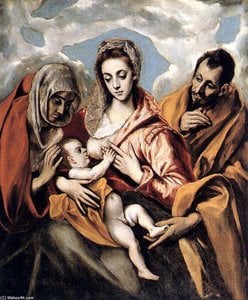
Retable and side altars (1577) El Greco alkotása, egy mesteralkotó által készített kézzel festett olajfestmény reprodukció
Megtekintés AR előnézet Váltás nyomtatványra Áttérés digitális képre Küldés
Részletek Útmutató Kedvencekhez ad Letöltés Hasonló darabok X-ray felvétel Diavetítés Kérdések és válaszok Letöltés Statisztika

Retable and side altars Kézzel festett olajfestmény reprodukció

Explore El Greco’s ‘Retable & Side Altars’ (1577). A stunning Baroque masterpiece featuring elongated figures, dramatic lighting & religious symbolism. Discover this iconic artwork!

El Greco manierista stílusa a Count of Orgaz temetkezésében ragyog. Fedezze fel szellemi és drámai remekműveit még ma!

Kézzel készített olajfestmény reprodukció

Kézzel festett olajvastú vászon, az Ön által választott méretben és keretben, művészeink készítik meglévőre. ( Váltás nyomtatványra Áttérés digitális képre)

Corner sample of the P118B picture frame: formázott polisztirol, 5 cm wide and 3 cm thick
P118B Ft10
Corner sample of the P118H picture frame: formázott polisztirol, 5 cm wide and 3 cm thick
P118H Ft10
Corner sample of the P118W picture frame: formázott polisztirol, 5 cm wide and 3 cm thick
P118W Ft10
Corner sample of the P438Z picture frame: formázott polisztirol, 5.5 cm wide and 3.5 cm thick
P438Z Ft10
Corner sample of the P508JH picture frame: formázott polisztirol, 7 cm wide and 3.5 cm thick
P508JH Ft12
Corner sample of the P508YH picture frame: formázott polisztirol, 7 cm wide and 3.5 cm thick
P508YH Ft12
Corner sample of the P805H picture frame: formázott polisztirol, 5 cm wide and 3.5 cm thick
P805H Ft10
Corner sample of the P805Z picture frame: formázott polisztirol, 5 cm wide and 3.5 cm thick
P805Z Ft10
Corner sample of the P919BZ picture frame: formázott polisztirol, 7 cm wide and 3.5 cm thick
P919BZ Ft10
Corner sample of the P919G picture frame: formázott polisztirol, 7 cm wide and 3.5 cm thick
P919G Ft10
Corner sample of the P919XJ picture frame: formázott polisztirol, 7 cm wide and 3.5 cm thick
P919XJ Ft10
Corner sample of the P959ZH picture frame: formázott polisztirol, 5 cm wide and 3 cm thick
P959ZH Ft10
Corner sample of the P968JZ picture frame: formázott polisztirol, 6 cm wide and 4 cm thick
P968JZ Ft12
Corner sample of the W106C picture frame: tömörfa, 5 cm wide and 3 cm thick
W106C Ft8
Corner sample of the W218G picture frame: tömörfa, 5 cm wide and 3 cm thick
W218G Ft10
Corner sample of the W218JH picture frame: tömörfa, 5 cm wide and 3 cm thick
W218JH Ft8
Corner sample of the W218Y picture frame: tömörfa, 5 cm wide and 3 cm thick
W218Y Ft10
Corner sample of the W307PJ picture frame: tömörfa, 6 cm wide and 3 cm thick
W307PJ Ft10
Corner sample of the W316G picture frame: tömörfa, 6 cm wide and 3 cm thick
W316G Ft10
Corner sample of the W316PJ picture frame: tömörfa, 6 cm wide and 3 cm thick
W316PJ Ft8
Corner sample of the W316Y picture frame: tömörfa, 6 cm wide and 3 cm thick
W316Y Ft10
Corner sample of the W398PJ picture frame: tömörfa, 5 cm wide and 3 cm thick
W398PJ Ft8
Corner sample of the W4111J picture frame: tömörfa, 6.5 cm wide and 3.5 cm thick
W4111J Ft10
Corner sample of the W500HY picture frame: tömörfa, 7 cm wide and 5 cm thick
W500HY Ft15
Corner sample of the W500JH picture frame: tömörfa, 7 cm wide and 5 cm thick
W500JH Ft15
Corner sample of the W692G picture frame: tömörfa, 8 cm wide and 4 cm thick
W692G Ft12
Corner sample of the W849H picture frame: tömörfa, 5 cm wide and 3 cm thick
W849H Ft8
Corner sample of the W940BG picture frame: tömörfa, 7.5 cm wide and 4.5 cm thick
W940BG Ft15
Corner sample of the W953PJ picture frame: tömörfa, 6 cm wide and 3.5 cm thick
W953PJ Ft8

Standard méret
egyedi méretű
CM
INCH

Válasszon előre meghatározott méreteink közül, amelyek megfelelnek a műalkotás eredeti arányainak.

szélesség
magasság

Írja be a kívánt szélességet és magasságot, hogy illeszkedjen a keretéhez vagy a falához. Mivel ez kézzel festett alkotás, egy eltérő formájú méret esetén a művész akár festhet is valamivel többet a kép körül, vagy korolathat is belőle — az Ön döntésének megfelelően. A festés megkezdése előtt küldünk egy digitális tervezetet jóváhagyásra. Az oldalon látható kép nem tartalmazza a végeredményt — csak a tervezet mutatja meg a valódi eredményt.

Példák arra, mit lehet módosítani: az arc kicserélése az ügyfél fotójára; háziállat hozzáadása (pl. macska helyett kutya); rejtett üzenet elhelyezése a háttérben; a háttér tájának vagy elemeinek megváltoztatása.
A rendelést követően a WahooArt.com csapata e-mailt küld az ügyfélnek az instrukciókért, és biztosít egy előnézeti képet (mockup).

Világszerte elérhető szállítás () 3-4 hét alatt a szokásos 5 hét helyett. (11 november). A minőség nem kérdőjelezhető.

Ingyenes globális expressz szállítás
Prémium minőségű len vászon
Teljes körű szállítási biztosítás
Vámvisszatérítési Garancia
Hiteles színarányosság garancia
100 napos visszaküldési lehetőség (csak hibás termékek esetén)
100% pénzvisszatérítési garancia
Több darab vásárlásakor kedvezmény

Összesített ár

Ft 88898

Retable and side altars

Reprodukciós technika

Reprodukció mérete

-

Összesített ár

Ft 88898

Gyors információk

  • Artistic style: Expressionism, Cubism
  • Title: Retable and side altars
  • Subject or theme: Religious devotion
  • Movement: Baroque
  • Artist: El Greco

The Retable and Side Altars of El Greco – A Window into Faith and Fire

El Greco’s “Retable and Side Altars,” painted in 1577 for the Cistercian convent of Santo Domingo el Antiguo in Toledo, Spain, isn't merely a religious depiction; it’s a profound exploration of faith, emotion, and the burgeoning artistic spirit of the late Renaissance. Commissioned during a pivotal moment in El Greco’s career – his arrival in Spain after years spent honing his craft in Italy and Greece – this monumental altarpiece reveals a synthesis of influences, forging a uniquely powerful style that would resonate through art history. The work stands as a testament to El Greco's ability to imbue religious iconography with an intensely personal and dramatic sensibility, pushing beyond the established conventions of the time.

The core of the altarpiece centers around “The Assumption of the Virgin,” a breathtaking vision of Mary ascending into heaven. El Greco masterfully employs a dynamic composition, eschewing the static serenity often associated with religious art. Figures are elongated and distorted, their bodies contorted in expressions of anguish and ecstasy. The use of color is equally arresting – deep reds, blues, and ochres dominate, creating an atmosphere of heightened drama and spiritual intensity. The architectural setting, rendered with a subtle yet effective perspective, anchors the scene within the confines of Toledo’s Santo Domingo convent, grounding the divine in the earthly realm.

A Synthesis of Styles: Flemish Influence Meets Spanish Soul

El Greco's artistic journey is crucial to understanding this masterpiece. His early training in Crete exposed him to Byzantine iconography, characterized by its stylized figures and rich symbolism. However, his time in Italy, particularly Venice, introduced him to the innovations of the Renaissance – a fascination with perspective, naturalism, and the use of oil paint. Crucially, he was deeply influenced by Flemish artists like Jan van Eyck and Dirk Bouts, whose meticulous detail, dramatic lighting, and emotional intensity found their way into his work. This confluence of influences is most evident in the altarpiece’s composition, its use of chiaroscuro (the contrast between light and dark), and the expressive faces of its figures.

Yet, El Greco didn't simply mimic these styles; he transformed them, imbuing them with his own distinctive vision. The elongated figures, the heightened emotionalism, and the unsettling use of color are distinctly *El Greco*. He wasn’t interested in creating a purely realistic representation of religious subjects; instead, he sought to convey their spiritual essence through powerful visual metaphors.

Symbolism and Narrative: Unpacking the Layers of Meaning

The “Retable and Side Altars” is rich with symbolic detail. The figures themselves are not merely portraits but embodiments of theological concepts. The placement of saints, the gestures they make, and their expressions all contribute to a complex narrative that speaks to themes of faith, devotion, and salvation. Note, for example, the prominent role of Saint John the Evangelist in one of the side panels – a figure often associated with divine revelation and prophecy. The inclusion of classical elements, such as the architectural framework and the references to Roman mythology, further enriches the work’s symbolic landscape.

The choice of Toledo itself is significant. As a city steeped in religious history and a center of Spanish culture, it provided El Greco with a fertile ground for his artistic explorations. The depiction of the city's skyline, subtly integrated into the background, connects the divine realm to the everyday world.

Emotional Resonance: A Window into the Soul

Ultimately, “Retable and Side Altars” is a profoundly moving work of art. It’s not simply a depiction of religious events; it's an exploration of human emotion – faith, doubt, joy, sorrow, and ultimately, hope. The elongated figures, the dramatic lighting, and the intense colors all contribute to a sense of heightened emotional intensity. The viewer is drawn into the scene, invited to contemplate the mysteries of faith and the complexities of the human experience. It’s a testament to El Greco's ability to transform religious iconography into a powerful expression of the soul—a legacy that continues to captivate audiences centuries later.

Consider commissioning a high-quality reproduction to bring this extraordinary artwork into your home or office, allowing its evocative power and spiritual depth to enrich your surroundings.

Kérdések és válaszok

Milyen méretet és vízszintes vagy függőleges elrendezést javasolnak a „Retable and side altars”, El Greco alkotása nyomtatványához?

Large méret, Portrait elrendezés: ez a(z) „Retable and side altars”, El Greco alkotása alkotáshoz javasolt nyomtatási beállítás.

Milyen hangulat és érzelem ötvöződik a "Retable and side altars" alkotásban?

A „Retable and side altars”, El Greco alkotása egy Spiritual érzést közvetít, egy összonosan Elegant hangulatban.

Hová sorolható a El Greco pályájának mely szakaszába a "Retable and side altars"?

A "Retable and side altars" El Greco pályájának a Mature Period szakaszába tartozik. Ez a besorolás összekapcsolja a művet a művész fejlődésével.


A művész életrajza

A krétai alapok

Doménikos Theotokópoulos, akit a történelem El Greco néven említ, 1541-ben született a Kréta szigetén. Abban az időben a sziget a Velencei Köztársaság birtokában volt, egy olyan tény, amely később lehetővé tette számára, hogy összekapcsolja a keleti és a nyugati hagyományokat. A bizánci hagyományban tanították ikonfestőként, egy olyan fegyelmezett művészetben, amely a részletek apró részleteire való odafigyelést és a tárgy spirituális esszenciájára való fókuszálást követelte a puszta fizikai hasonlóság helyett. Ez a korai elmerülés a krétai iskolában olyan szimbolikus precizitást imparted, amely folyamatosan jelen maradt művészetében, még akkor is, amikor stílusa radikális átalakulásokon ment keresztül.

Huszonhat éves korában Venedzset választott, hogy kibővítse a természet világáról alkotott képzetét. A Velencei Köztársaságban Titian és Tintoretto műveivel találkozott, elszívva a színek mesteri használatát és a formák meghatározáséhez alkalmazott fények művészetét. Megtanulta elmozdulni fiatatossága idejű, merev vonalaitól, egy fluidabb ecsettézés és a dinamizmus érzetét átvett. Ez a korszak nem a gyökerei elutasítása volt, hanem azok tágítása, mivel elkezdte ötvözni görög örökségének fegyelmezett ikonográfiáját az olasz reneszánsz atmoszférikus szenszualitásával.

A toledói átalakulás

Rómában töltött időszak után, ahol a manierizmus megnyúlt alakjaival és kifinomult kompozícióival találkozott, El Greco 1577-ben Toledo-ba költözött Spanyolországba. Ez a lépés döntőnek bizonyult. Toledo a motívációt és a vallási lelkesedést ötvöző központ volt a motíváció reformáció idején, olyan környezetet biztosítva, amely tökéletesen illeszkedett egyre misztikusabb látásmódjához. Itt érte el stílusa legjellegzetesebb szakaszát, amelyet olyan alakok jellemeztek, amelyek megnyúltnak és torzultnak tűntek, mintha egy láthatatlan spirituális erő nyújtaná őket. A színeket nem a valóság utánzójaiként használta, hanem az érzelmi hatás fokozására, gyakran alkalmazva a természetellenes árnyalatokat is a divine, az isteni lényeg ábrázolásához.

Spanyolországi művészete az földi és az éteri közötti feszültségben nyilvánult meg. A Count of Orgaz temetkezése (1586-1588) című művében a kortárs alakok valósághű ábrázolását megkombinálta a megnyúlt, mennyei formákkal, vizuális hidat építve a halandó és az isteni között. A fény és az árnyék manipulálásának képessége olyan drámai hatást keltett, amely egyszerre volt teatrális és mélyen személyes. Nem csupán jeleneteket festett; megpróbálta megörökíteni azokat az érzelmi és spirituális valóságokat, amelyek a fizikai világ felszínén túlélnek.

Forma és fény öröksége

Életének késő éveit még nagyobb absztrakció és miszticizmus irányult. Kompozíciói összetettebbé váltak, alakjai pedig torzultabbá, ami a hagyományos művészeti normáktól való egyre nagyobb elszárazodást tükrözte. Bár sikeres volt, és jelentős megajánlásokat kapott a toledói templomokból és kolostorokból, hatása nem érezhetőt tett ki a szélesebb művészeti világban a 1614-es halála után. Hosszú ideig az eccentricusnak tekintették, műveit pedig nagyjából figyelmen kívül hagyrta a művettörténelem főáramlata.

Csak a 20. században ismerték fel valódi fontosságát. A modernisták a műveiben a jövő expresszív és fragmentált stílusainak előképeit találták meg. A proporciók torzítására és a bőséges, érzelmeket közvetítő színek használatára való képessége olyanoknál vált résonhangúvá, akik a belső pszichológiai állapotok kifejezésére törekedtek. Ma májukat az emberi szellem ablakainak tekintjük, amelyek a hit intenzitásának és a transzcendencia iránti küzdelemnek egyedülálló képességével hívják meg tiszteletüket.

Neves művei közé tartozik:

El Greco

El Greco

1541 - 1614 , Görögország

Rövid információk

  • Artistic Movement Or Style: Mannerizmus, Barrokok
  • Artists Or Movements Influenced By This Artist:
    • Expressionizmus
    • Kubizmus
  • Artists Who Influenced This Artist:
    • Titian
    • Tintoretto
  • Date Of Birth: 1541 Cretében
  • Date Of Death: 1614 Toledoában
  • Full Name: Doménikos Theotokópoulos
  • Nationality: Görög-spanyol
  • Notable Artworks:
    • A Szűz Mária tiszteletére
    • Fray Hortensio Félix Paravicino
    • El Espolio
    • St. Sebastian
  • Place Of Birth: Creta Görögországban
Fedezze fel a műalkotásokat témák, stílusok és jellemzők szerint csoportosítva.