Megtekintés AR előnézet Kézzel festett másolat rendelése Áttérés digitális képre Küldés
Részletek Útmutató Kedvencekhez ad Letöltés Hasonló darabok X-ray felvétel Diavetítés Kérdések és válaszok Letöltés Statisztika

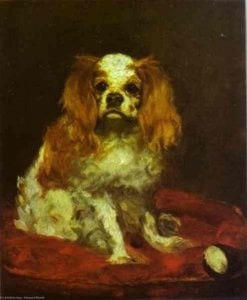
A King Charles Spaniel

Méretek
66.0 x 58.0 cm

Maurice Leclanché [1847-1921], Paris, by 1902 until 1910.[1] (Bernheim-Jeune, Paris), by 1910. Dr. Julius Elias [1861-1927], Berlin; by inheritance to his wife, Mrs. Julius [Julie] Elias, Berlin and Oslo[1866-1943]; [2] Eilif M

Édouard Manet (1832-1883): A realizmus és impresszionizmus határát jelentő francia festő, aki megújította a modern művészet fogalmát! Fedezze fel ikonikus alkotásait!

Giclée / Műnyomat

Múzeumi minőségű giclée vagy vászonnyomat, gyors gyártással és rugalmas finomítási lehetőségekkel. ( Kézzel festett másolat rendelése Áttérés digitális képre)

Corner sample of the P118B picture frame: formázott polisztirol, 5 cm wide and 3 cm thick
P118B Ft10
Corner sample of the P118H picture frame: formázott polisztirol, 5 cm wide and 3 cm thick
P118H Ft10
Corner sample of the P118W picture frame: formázott polisztirol, 5 cm wide and 3 cm thick
P118W Ft10
Corner sample of the P438Z picture frame: formázott polisztirol, 5.5 cm wide and 3.5 cm thick
P438Z Ft10
Corner sample of the P508JH picture frame: formázott polisztirol, 7 cm wide and 3.5 cm thick
P508JH Ft12
Corner sample of the P508YH picture frame: formázott polisztirol, 7 cm wide and 3.5 cm thick
P508YH Ft12
Corner sample of the P805H picture frame: formázott polisztirol, 5 cm wide and 3.5 cm thick
P805H Ft10
Corner sample of the P805Z picture frame: formázott polisztirol, 5 cm wide and 3.5 cm thick
P805Z Ft10
Corner sample of the P919BZ picture frame: formázott polisztirol, 7 cm wide and 3.5 cm thick
P919BZ Ft10
Corner sample of the P919G picture frame: formázott polisztirol, 7 cm wide and 3.5 cm thick
P919G Ft10
Corner sample of the P919XJ picture frame: formázott polisztirol, 7 cm wide and 3.5 cm thick
P919XJ Ft10
Corner sample of the P959ZH picture frame: formázott polisztirol, 5 cm wide and 3 cm thick
P959ZH Ft10
Corner sample of the P968JZ picture frame: formázott polisztirol, 6 cm wide and 4 cm thick
P968JZ Ft12
Corner sample of the W106C picture frame: tömörfa, 5 cm wide and 3 cm thick
W106C Ft8
Corner sample of the W218G picture frame: tömörfa, 5 cm wide and 3 cm thick
W218G Ft10
Corner sample of the W218JH picture frame: tömörfa, 5 cm wide and 3 cm thick
W218JH Ft8
Corner sample of the W218Y picture frame: tömörfa, 5 cm wide and 3 cm thick
W218Y Ft10
Corner sample of the W307PJ picture frame: tömörfa, 6 cm wide and 3 cm thick
W307PJ Ft10
Corner sample of the W316G picture frame: tömörfa, 6 cm wide and 3 cm thick
W316G Ft10
Corner sample of the W316PJ picture frame: tömörfa, 6 cm wide and 3 cm thick
W316PJ Ft8
Corner sample of the W316Y picture frame: tömörfa, 6 cm wide and 3 cm thick
W316Y Ft10
Corner sample of the W398PJ picture frame: tömörfa, 5 cm wide and 3 cm thick
W398PJ Ft8
Corner sample of the W4111J picture frame: tömörfa, 6.5 cm wide and 3.5 cm thick
W4111J Ft10
Corner sample of the W500HY picture frame: tömörfa, 7 cm wide and 5 cm thick
W500HY Ft15
Corner sample of the W500JH picture frame: tömörfa, 7 cm wide and 5 cm thick
W500JH Ft15
Corner sample of the W692G picture frame: tömörfa, 8 cm wide and 4 cm thick
W692G Ft12
Corner sample of the W849H picture frame: tömörfa, 5 cm wide and 3 cm thick
W849H Ft8
Corner sample of the W940BG picture frame: tömörfa, 7.5 cm wide and 4.5 cm thick
W940BG Ft15
Corner sample of the W953PJ picture frame: tömörfa, 6 cm wide and 3.5 cm thick
W953PJ Ft8

Standard méret
egyedi méretű
CM
INCH

Válasszon előre meghatározott méreteink közül, amelyek megfelelnek a műalkotás eredeti arányainak.

szélesség
magasság

Írja be a keretének vagy a falának megfelelő szélességet és magasságot. A nyomatot csak le lehet vágni, soha nem tehető nagyobbá, mint az eredeti kép, így egy eltérő alakú méretnél a kép egy része elveszik. Mielőtt bármit kinyatintanánk, küldünk egy digitális próbamodellt jóváhagyásra. Az oldalon látható kép nem tartalmazza a valós levágást — ezt csak a próbamodell mutatja meg.

Világszerte történő kiszállítás területére mindössze 2 hét alatt, a szokásos 4-5 hét helyett. (9 november)

Ingyenes globális expressz szállítás
Prémium minőségű len vászon
Teljes körű szállítási biztosítás
Vámvisszatérítési Garancia
Hiteles színarányosság garancia
100 napos visszaküldési lehetőség (csak hibás termékek esetén)
100% pénzvisszatérítési garancia
Több darab vásárlásakor kedvezmény

Összesített ár

Ft 22502

A King Charles Spaniel

Giclée / Műnyomat

Reprodukció mérete

-

Összesített ár

Ft 22502

Gyors információk

  • Dimensions: 66 x 58 cm
  • Title: A King Charles Spaniel
  • Artist: Édouard Manet
  • Artistic style: Realist
  • Notable elements or techniques: Loose brushstrokes; subtle tonal variations
  • Subject or theme: Domestic scene; canine portraiture

A Moment Frozen in Parisian Light: Examining Édouard Manet’s “A King Charles Spaniel”

Édouard Manet's "A King Charles Spaniel," painted in 1866, isn’t merely a depiction of a dog; it’s a carefully constructed snapshot of Impressionist ambition—a bold assertion against the academic conventions that dominated French art at the time. This unassuming canvas holds within it layers of artistic innovation and subtle psychological observation, reflecting Manet's fascination with capturing fleeting moments of everyday life alongside monumental references to artistic masters. The painting resides in the National Gallery of Art’s collection, having passed through several notable owners throughout its history, including Maurice Leclanché and Dr. Julius Elias.

The Style and Technique: Impressionistic Echoes

Manet consciously rejected the meticulous realism favored by his predecessors, opting instead for a technique that prioritized capturing light and color as perceived by the eye—a hallmark of Impressionism. Unlike traditional oil paintings where artists painstakingly blended pigments to achieve smooth tonal gradations, Manet employed loose brushstrokes and juxtaposed complementary colors to create an effect of shimmering vibrancy. Notice how the artist utilizes short, broken strokes to render the dog’s fur, avoiding any attempt at photographic accuracy. This deliberate disregard for detail isn't carelessness; it’s a calculated decision to convey atmosphere and emotion rather than precise representation. He studied Caravaggio and Velázquez intensely, absorbing their masterful use of chiaroscuro—the dramatic interplay between light and dark—to imbue his work with depth and intensity.

A Window into Parisian Life

“A King Charles Spaniel” captures a seemingly simple scene: a dog resting on a bed alongside two figures in the background. However, this domestic tableau serves as a deliberate provocation. Manet wasn’t interested in portraying idealized beauty or grand narratives; he wanted to depict the realities of modern urban existence—a preoccupation that resonated deeply with his contemporaries and cemented his position as a pioneer of Impressionism. The inclusion of the two people adds another layer of complexity, hinting at an unspoken relationship between dog and owner – perhaps companionship, affection, or even quiet contemplation. This subtle suggestion is powerfully reinforced by Manet’s masterful use of light; it illuminates the figures in the background, creating a visual contrast that draws attention away from the central subject.

Symbolism Beyond Appearance

While superficially appearing as a straightforward portrait, “A King Charles Spaniel” carries symbolic weight. The dog itself—a breed favored by Victorian aristocracy—represents loyalty and domestic tranquility, qualities Manet subtly juxtaposes with the dynamism of Parisian life. Furthermore, the tennis ball symbolizes playfulness and vitality, mirroring Manet’s desire to portray life as it truly is – unfiltered and brimming with energy. The artist's careful positioning of the figures contributes to this symbolic narrative, suggesting a harmonious balance between comfort and observation.

Emotional Resonance: Capturing Transient Beauty

Ultimately, “A King Charles Spaniel” succeeds in conveying a profound emotional resonance. It’s not an overtly sentimental piece; rather, it invites viewers to contemplate the beauty found in ordinary moments—the quiet intimacy of companionship and the fleeting splendor of natural light. Manet's masterful brushwork captures the essence of this experience, transporting us back to 1866 Paris and reminding us that art can illuminate the human condition with remarkable sensitivity. Its enduring appeal lies in its ability to evoke a feeling of warmth, serenity, and understated elegance—qualities that continue to inspire interior designers and collectors alike.

Kérdések és válaszok

Milyen közös tulajdonságokat oszt meg a "A King Charles Spaniel" Édouard Manet további alkotásaival?

A "A King Charles Spaniel" Édouard Manet Impressionistic Realism korszakának alkotása, melynek témakörében caravaggio’s shadow technique, modern parisian life”, "domestic tranquility reflection", "challenging academic norms", "exploring everyday subjects" is feltűlik.

Hogyan találhatok olyan műalkotásokat, amelyek stílusában hasonlítanak a(z) „A King Charles Spaniel”, Édouard Manet alkotása alkotásra?

A „A King Charles Spaniel”, Édouard Manet alkotása alkotással hasonló műalkotások a(z) Hasonló alkotások oldalon találhatók.

Milyen technikával készült a „A King Charles Spaniel”, Édouard Manet alkotása?

A „A King Charles Spaniel”, Édouard Manet alkotása technikája Acrylic On Canvas. A reprodukciók célja ezen technika megjelenítésének hiteles återadása.


A művész életrajza

Édouard Manet: A modern élet festője, a konvenciók megújítója

Édouard Manet 1832-ben született Párizsban, egy tehetős polgári családban. Apja, tiszteletreméltő bíró, biztonságos jövőt képzelt el fiának a jogi pályán vagy éppen a haditengerészetnél – méltó foglalkozásokat családjuk társadalmi helyzetéhez mérten. Mégis, már gyerekként Manet szívét a művészetért dobogott. Tizenegy évesen kezdett formalizált rajzórákat venni, és bár rövid ideig Thomas Couture akadémiai festő tanítványa volt, hamar elnyomónak találta mestere merev módszereit. Ez a korai ellenállás vetített előre egy olyan életet, amelyben állandóan kihívta a művészi konvenciókat. Manet nem egyszerűen a múltat akarta másolni; arra törekedett, hogy megragadja a modern párizsi élet vibrálását – és néha nyugtalanító valóságát is. Gyakran járt a Louvre-ban, nem csupán az Ómesterek másolgatására, hanem technikájuk feltárására, tanulva Caravaggiótól és Velázquez-től, hogyan formázhatják a fényt és az árnyékot, hogyan idézhetők elő érzelmek. Azonban a művészeti áramlatok eltolódása, különösen Gustave Courbet által képviselt realizmus felemelkedése élesztette igazán be Manet kreatív ösvényét. Courbet ragaszkodása a mindennapi élet ábrázolásához idealizálás nélkül mélyen rezonált Manettel, felszabadítva őt a történelmi vagy mitológiai témák kényszeréből.

A hagyományok megkerülése: botrány és innováció

Az 1860-as évek Párizsban a művészeti pezsgés időszaka volt, és Manet találta magát ennek középpontjában. A japán nyomatok – az *ukiyo-e* – mélyen hatottak esztétikai érzékenységére. Magával ragadta őket a lapos perspektívák, merész kompozíciók és feltűnő színek, amelyek saját stílusa jellegzetességeivé váltak. Ez a befolyás, akadémiai polír elutasításával kombinálva olyan alkotásokhoz vezetett, amelyek megdöbbentették és felháborították a párizsi művészeti világot. A Le Déjeuner sur l'herbe (A reggeli a szabadban), amelyet 1863-ban mutattak be a Salon des Refusés-n – egy kiállításon, amelyen az hivatalos Szalon által elutasított műveket állították ki – azonnali viták forrása lett. A festmény, amelyen egy meztelen nő piknikezik két teljesen öltözött férfival, nem a meztelenségről szólt; arról szólt, *hogyan* mutatták be ezt a meztelenséget. Manet alakjai hiányolták a hagyományos mezítelenek idealizált formáit és mitológiai kontextusát. Tagadhatatlanul modernnek számítottak, nyugtalanító közvetlenséggel szembesítve a nézőt. A Le Déjeuner körüli botrány még intenzívebb lett 1865-ös remekművével, az Olympiaval. Ez a festmény, Titian *Urbinói Vénuszá*nak szándékos újraalkotása, egy kortárs prostituáltat ábrázolt, amely merészen nézett szembe a nézővel. A könyörtelen realizmus és provokatív téma széles körű elítélést váltott ki. A kritikusok vulgárisággal és művészi inkompetenciával vádolták Manet-t, de a felháborodás alatt felismerés rejlett: alapvetően megváltoztatta a festészet nyelvét.

A realizmus és az impresszionizmus között: fény, ecsetkezelés és modern élet

Bár Manet sosem fogadta el teljes mértékben az „impresszionista” jelzőt, hatása a mozgalomra vitathatatlan volt. Megosztotta velük az akadémiai konvenciók elutasítását és a fény és atmoszféra változó hatásainak megragadásának elkötelezettségét. Kiállított Monet-val, Renoir-ral, Degas-val és másokkal az impresszionisták független kiállításain, megerősítve pozícióját az avantgárdban. Manet technikája lazább ecsetkezelés felé fejlődött, a forma benyomását részesítve előnyben a pontos részletekkel szemben. Kísérletezett a színnel, gyakran éles kontrasztokat használva drámai hatások elérése érdekében. A botrányos mezítelenek mellett Manet széles témakört fedezett fel: portrékat – beleértve felesége, Suzanne és társas festője, Émile Zola lenyűgöző ábrázolásait; párizsi éjszakai élet jeleneteit, mint például A Folies-Bergère bárja, amely mesterien rögzíti a modern városi élet elidegenedését és látványosságát; és meghitt házi jeleneteket. Nem csupán dokumentálta ezeket a témákat; megkérdőjelezte őket, társadalmi normákat vitatott és a szépség hagyományos fogalmait kihívta ki.

Öröksége és maradandó hatása

Édouard Manet 1883-ban bekövetkezett korai halála szifilisz következtében egy olyan karriert szakított félbe, amely máris megváltoztatta a művészettörténet menetét. Bár hírneve halálát követően jelentősen nőtt, hatása azonnal érezhető volt a fiatalabb művészeken, akik felszabadítónak ismerték fel őt. Lerombolt korlátokat, megkérdőjelezte a téma, technika és művészeti cél fogalmait.
  • A modern élet megragadásának hangsúlyozása előkészítette az impresszionizmus és a posztimpresszionizmus útját.
  • Innovatív ecsetkezelése és színhasználata generációk festőit inspirálta.
  • Készen állt szembeszállni a társadalom kényes igazságaival, arra kényszerítve a nézőket, hogy megkérdőjelezzék saját feltételezéseiket.
Manet festményei ma is rezonálnak, nemcsak esztétikai szépségük miatt, hanem tartós relevanciájuk miatt is. Továbbra is kulcsfontosságú alakja a realizmus és az impresszionizmus közötti átmenetnek, és joggal ünneplik őt a modern művészet alapító atyjaként – egy párizsi lázadóként, aki merte úgy festeni a világot, ahogy látta azt, minden bonyolultságával és ellentmondásával. Munkája erőteljes emlékeztető arra, hogy az igazi művészi innováció gyakran jár a bevált normák megkérdőjelezésével és korunk kényes igazságainak elfogadásával.
Édouard Manet

Édouard Manet

1832 - 1883 , Franciaország

Rövid információk

  • Artistic Movement Or Style: realizmus, impresszionizmus
  • Artists Or Movements Influenced By This Artist:
    • Monet
    • Renoir
  • Artists Who Influenced This Artist:
    • Caravaggio
    • Velázquez
    • Courbet
  • Date Of Birth: 1832. január 23.
  • Date Of Death: 1883
  • Full Name: Édouard Manet
  • Nationality: francia
  • Notable Artworks (List Of Titles):
    • Reggeli a szabadban
    • Olympia
  • Place Of Birth (City And Country): Párizs, Franciaország
Fedezze fel a műalkotásokat témák, stílusok és jellemzők szerint csoportosítva.