INGYENES MŰVÉSZETI TANÁCSADÁS

x
Készíttetnék festményként Készíttetnék festménykéntKép letöltése Kép letöltése MegosztásMegosztás

RészletekRészletek Kedvencekhez ad Kedvencekhez ad LetöltésLetöltés Hasonló alkotásokHasonló alkotások X-ray felvételX-ray felvétel DiavetítésDiavetítés

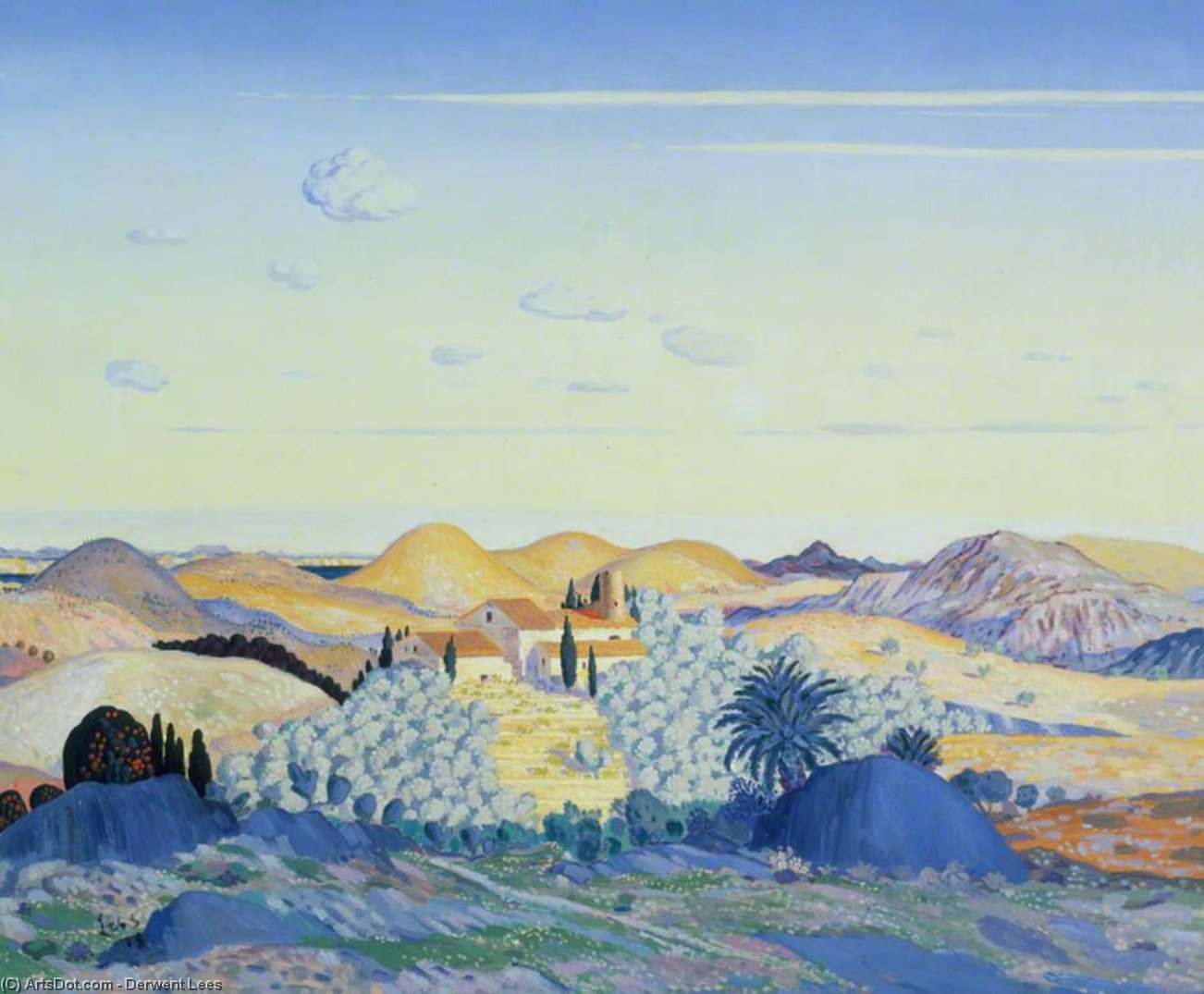
Banyuls

Discover Derwent Lees (1884-1931), Australian landscape painter & Slade School artist. Explore his Post-Impressionist style, Fauvist connections, and poignant story as the only Australian at the 1913 Armory Show. His career was tragically cut short b

Giclée / Műnyomat

Múzeumi minőségű giclée vagy vászonnyomat, gyors gyártással és rugalmas finomítási lehetőségekkel.

Standard
custom
CM
INCH

Válasszon előre meghatározott méreteink közül, amelyek megfelelnek a műalkotás eredeti arányainak.

szélesség
magasság

Megadhat saját méreteket is egy konkrét kerethez vagy helyszínhez igazítva. Amennyiben a kiválasztott méret nem egyezik az eredeti kép arányokkal, a műalkotást le fogjuk vágni, vagy kiegészítjük a képet tükrözött vagy egyszínű szélekkel. A gyártás megkezdése előtt egy digitális tervezetet küldünk jóváhagyásra.
Kérjük, vegye figyelembe, hogy a képernyőn látható előnézet nem tükrözi a tényleges levágást vagy kiegészítést. Csak a tervezet mutatja pontosan a végső kompozíciót.
Bár az egyedi méretek is elérhetőek, az eredeti arányok megőrzése érdekében azt javasoljuk, hogy válasszon a előre meghatározott listából származó méretet.

Világszerte történő kiszállítás területére 2 hét alatt, a szokásos 4-5 hét helyett. 3 július

why_choose_icon
Ingyenes globális expressz szállítás
why_choose_icon
Prémium minőségű len vászon
why_choose_icon
Teljes szállítási biztosítás
why_choose_icon
Vámvisszatérítési Garancia
why_choose_icon
Tökéletes színpontosság garancia
why_choose_icon
60 napos visszaküldési lehetőség (csak gyártási hibák esetén)
why_choose_icon
100%-os pénzvisszatérítési garancia
why_choose_icon
Kedvezmény több termény esetén

Összesen

-

reproduction

Banyuls

Giclée / Műnyomat

A reprodukció mérete

-

Összesített ár

-


A művész életrajza

Derwent Lees: A Painter Haunted by Light and Shadow

Derwent Lees (1884–1931) stands as a singular figure in Australian art history—a landscape painter whose prodigious talent was tragically curtailed by mental illness, leaving behind a legacy of evocative canvases imbued with both Impressionistic beauty and an unsettling glimpse into the artist’s inner turmoil. Born Desmond Lees in Hobart, Tasmania, Australia, he experienced early hardship when a riding accident resulted in amputation of his left foot at the age of nineteen. Despite this physical limitation, Lees pursued his artistic ambitions relentlessly, enrolling at Melbourne Grammar School before relocating to London in 1905 and immersing himself in the rigorous training offered by the Slade School of Fine Art. His time at Slade cemented his connection with fellow artists Augustus John and James Dickson Innes, fostering a collaborative spirit that would define much of his subsequent artistic life. The quartet spent summers together at Nant Ddu, Wales, capturing the dramatic Welsh landscape with bold brushstrokes and vibrant color palettes—a period marked by intense creative energy and intellectual exchange. Lees’s fascination with Impressionism is undeniable; he embraced the techniques pioneered by Monet and Sisley, prioritizing fleeting moments of light and atmosphere over meticulous detail. However, his work also possesses a Fauvist influence, evident in his use of jarring colors and expressive distortions—a stylistic choice that reflects both his artistic sensibilities and perhaps an unconscious desire to convey emotional intensity. The Armory Show of 1913 in New York City represented a pivotal moment for Lees’s career, marking him as the sole Australian artist participating in this groundbreaking exhibition showcasing avant-garde art from across Europe. This exposure solidified his reputation as a visionary painter and cemented his place within the burgeoning international artistic dialogue. Yet, despite his considerable achievements, Lees's life took an increasingly troubling turn following World War I. Diagnosed with schizophrenia, he voluntarily entered Ashworth Asylum in 1918 and remained there until his death in 1931, leaving behind a body of work that continues to fascinate scholars and art enthusiasts alike. His paintings—such as “Evening,” depicting a tranquil lake sunset bathed in golden light (“Along The Riverbank”), and “Lyndra, Sunset, Aldbourne”—are characterized by their luminous color harmonies and loose brushwork, capturing the essence of Australian landscapes with remarkable sensitivity. These works are not merely representations of scenery; they are imbued with an emotional depth that speaks to Lees’s profound engagement with the natural world and his struggle to reconcile beauty with inner darkness. The Lee Ungno Museum in South Korea houses a significant collection of Lees's paintings, offering visitors a chance to experience firsthand the artist’s distinctive vision. Furthermore, U.S. Department of Interior Museum showcases American landscapes and heritage, including New Deal-era murals and Ansel Adams' photography—a testament to Lees’s influence on artistic movements beyond Australia.
  • Notable Works: “Evening,” “Lyndra, Sunset, Aldbourne,” “Along The Riverbank”
  • Influences: Impressionism, Fauvism
  • Recognition: Armory Show 1913
Source: Lees, Derwent. Art UK. https://artuk.org/discover/artists/lees-derwent-18841931
Derwent Lees

Derwent Lees

1884 - 1931 , Australia

Rövid tények

  • Artistic Movement Or Style: Post-Impressionism
  • Artists Or Movements Influenced By This Artist: ['Fauvism']
  • Artists Who Influenced This Artist:
    • Augustus John
    • James Dickson Innes
  • Date Of Birth: 1884
  • Date Of Death: 1931
  • Full Name: Derwent Lees
  • Nationality: Australian
  • Notable Artworks:
    • Evening
    • Lyndra, Sunset, Aldbourne
  • Place Of Birth: Hobart, Australia