

Múzeumi minőségű giclée vagy vászonnyomat, gyors gyártással és rugalmas finomítási lehetőségekkel. ( Kézzel festett másolat rendelése Áttérés digitális képre)





























Válasszon előre meghatározott méreteink közül, amelyek megfelelnek a műalkotás eredeti arányainak.

Írja be a keretének vagy a falának megfelelő szélességet és magasságot. A nyomatot csak le lehet vágni, soha nem tehető nagyobbá, mint az eredeti kép, így egy eltérő alakú méretnél a kép egy része elveszik. Mielőtt bármit kinyatintanánk, küldünk egy digitális próbamodellt jóváhagyásra. Az oldalon látható kép nem tartalmazza a valós levágást — ezt csak a próbamodell mutatja meg.
Világszerte történő kiszállítás területére mindössze 2 hét alatt, a szokásos 4-5 hét helyett. (9 november)
Nemo Loquebatur
Reprodukció mérete
Imagine an evening bathed in the soft, flickering glow of crystal chandeliers, where the air hums with witty conversation and the clinking of fine glassware. This exquisite pastel scene, Nemo Loquebatur, transports us directly into the sophisticated salons of 18th-century Amsterdam. It captures a moment of convivial gathering among distinguished gentlemen, an atmosphere thick with intellectual exchange and burgeoning revelry. The composition itself is a masterclass in genre painting, depicting not just figures, but the very texture of high society life—a world where wit was as carefully curated as one's waistcoat.
What makes this piece so captivating is its remarkable medium. Cornelis Troost eschewed the permanence of oil paint for the delicate, ethereal touch of gouache and pastel. This choice of materials speaks volumes about the period's artistic tastes; it allowed Troost to achieve a luminosity and softness that mimic the fleeting quality of memory itself. The opaque watercolour mixed with soft chalk lends the skin tones a remarkable delicacy while allowing the rich textures of the gentlemen’s elaborate clothing—the silks, the lace, the polished wood of the mantlepiece—to remain vividly present. To own a reproduction of this work is to possess an echo of that eighteenth-century luminosity.
This painting is part of a larger narrative cycle, suggesting a structured, unfolding story across several panels. The title itself, Nemo Loquebatur, hints at the playful structure underlying the apparent spontaneity. While the initial moments depicted might suggest polite discourse—men holding books, engaging in measured conversation near an elegant fireplace mantle—the overall trajectory of such scenes often suggests a delightful descent into spirited abandon fueled by good company and perhaps too much wine. Troost, deeply embedded in the vibrant cultural life of Amsterdam during this time, possessed an unparalleled ability to observe human nature at its most charmingly flawed.
For the contemporary admirer, Nemo Loquebatur offers more than mere decoration; it offers an emotional anchor. It speaks to the universal yearning for connection—for that perfect gathering where laughter rings freely and conversation flows without end. Whether placed in a formal drawing-room or a richly paneled study, this artwork introduces an immediate sense of cultured warmth and sophisticated history. It invites the viewer not just to look, but to participate; one can almost hear the murmur of voices and smell the faint scent of expensive tobacco mingling with wine.
Cornelis Troost 44 éves volt, amikor 1740 évben megalkotta a "Nemo Loquebatur" alkotást. A korúsítás az alkotó születési évéből, 1696 fel основании került kiszámítva.
A "Nemo Loquebatur" színei egy Monochrome palettát alkotnak. Ez a besorolás a domináns színek családjait írja le.
A „Nemo Loquebatur”, Cornelis Troost alkotása alkotása 1740-ben készült.

Cornelis Troost neve elválaszthatatlanul kapcsolódik az 18. századi Amsterdam vibráló szövetéhez; ő nem csupán egy művész volt, hanem korának éles megfigyelője és mesteri feljegyzője is. 1696. október 8-án született Amsterdam szívében, a Holland Köztársaság közepén, és útvonalas pályája – az ambiciózus színésztől a hírhedt festőig – a művészeti szenvedélyek és a személyes átalakulás lenyűgöző találkozását mutatja be. Bár kezdetben a színpadon, a performer szerepében képeztek be, valódi hívatását nem a taps és a dráma közepén, hanem a festészet apró részleteiben és finom árnyalataiban találta meg. Életútját egy tudatos váltás jegyezi: a reflektorfényt felváltotta az ecsetvonások csendes kontemplációjára, ami végül arra vezetett, hogy a holland rokokó művészet egyik legjelentősebb alakjává váljon.
Troost művészi oktatása Arnold Boonen tanítványként kezdődött, egy tisztelt portréfestő mellett, aki felismerte diákja veleszületett tehetségét. Ez a lärcolás létfontosságú alapot teremtett számára, de az első rajzai voltak azok, amelyek valóban megmutatták egyedi stílusát – különösen egy 1708-as alkotása, amely S Savoyai Edeky princét és a félelmetes könyveskereskedőt, Louis Renard-t ábrázolja titkos események során egy luxus amsterdami bordélyban. Ez az éles és izgalmas mű már akkor jelezte azokat a témákat, amelyeket később ilyen lenyűgöző képességgel fedezett fel: a társas élet összetettségét, a az öröm csábítását és a tisztességes megjelenés mögött rejtőzködő titkos áramlatokat.
Pályafutása érettévé válásával Troost mesterévé vált a mulatságosság és a kifinomultság közötti törékeny egyensúly megörökítésében. Művészete kétségtelenül hatottak a korának domináns irányzatai, köztük William Hogarth drámai kompozíciói – London társadalmának szatirikus ábrázolásáról ismert szerző – valamint a francia mesterek, mint Watteau, Boucher és Lancret elegáns finomsága. A holland realizmus és a francia rokokó elegancia ezen szintézise lehetővé tette számára, hogy olyan alkotásokat hozzon létre, amelyek egyszerre mélyen gyökereznek a helyi valóságban és rendkívül kifinomultak.
Repertoárja rendkívül sokszínű volt, az intimebb portréktól a monumentális csoportkompozíciókig terjedt. Művészetének néhány maradandó öröksége közé tartozik:
Cornelis Troost jelentősége abban rejlik, hogy képes volt vizuális történelmévé válni egy átmeneti korszaknak. Bár a nagy holland aranykor művészeinek kora már elmúlt, Troost új életet lehelty a holland hagyományba, beárasztva azt a rokokó mozgalom vidámságával és dekoratív bájával. Festményei nem csupán arcokat ábrázolnak; képesek megörökíteni egy kor szellemét – a selyem zúgását, a gyertyafény lobogását és Amsterdam felső osztályának finom társadalmi hierarchiáját.
Éles portréin és lenyűgöző kortárs jelenetein keresztül Troost olyan örökséget hagyott hátra, amely ma is varázsolja a nézőket. Egy kulcsfontosságú alak maradt ő, aki áthidalta a szakadékot a 17. század nehézkes, drámai hagyományai és a 18. század könnyed, kegyes esztétikája között, biztosítva, hogy kedvelt Amsterdam társadalmi árnyalatai pigmentben megőrizve maradjanom a következő generációk számára is.

1696 - 1750 , Hollandia

Explore the opulent world of Rococo art! Discover its origins, key artists like Watteau & Boucher, and lasting influence on design. Expert insights for collectors & enthusiasts.

Fedezze fel a Rokoko művészet 10 legikonikusabb remekművét! Ismerje meg Watteau, Boucher és Fragonard festményeinek történetét. Elegáns dekorációk inspirációja – WahooArt.com kínálatában megtalálható minden művészi nyomat. Explore the full collection online!
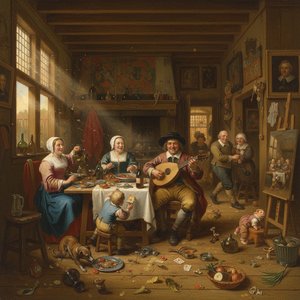
Explore the life & art of Jan Steen, a leading Dutch Golden Age painter renowned for his humorous genre scenes & insightful social commentary. Discover his techniques, legacy, and collecting tips.
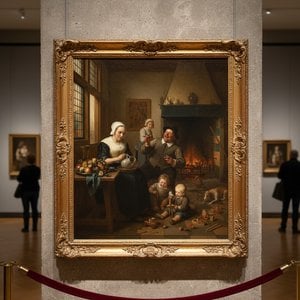
Explore the captivating world of Dutch Golden Age genre painting! Discover realistic depictions of daily life, masterful artists like Ostade & Metsu, and hidden symbolism. Learn about this influential art movement with WahooArt.

Explore the captivating world of Cornelis Springer (1817-1891), a Dutch master renowned for his detailed cityscapes and atmospheric paintings. Discover his life, style & available artworks at WahooArt.
 Megtekintés
 Küldés
 Megosztás
 Részletek
 Útmutató

 Letöltés
 Hasonló darabok
 X-ray felvétel
 Diavetítés
 Kérdések és válaszok
 Statisztika


 Összes részlet megjelenítése









 Az üvegkeretes opció csak 110 cm alatti méretben érhető el


