INGYENES MŰVÉSZETI TANÁCSADÁS

x
Készíttetnék festményként Készíttetnék festménykéntKép letöltése Kép letöltése MegosztásMegosztás

RészletekRészletek Kedvencekhez ad Kedvencekhez ad LetöltésLetöltés Hasonló alkotásokHasonló alkotások X-ray felvételX-ray felvétel DiavetítésDiavetítés

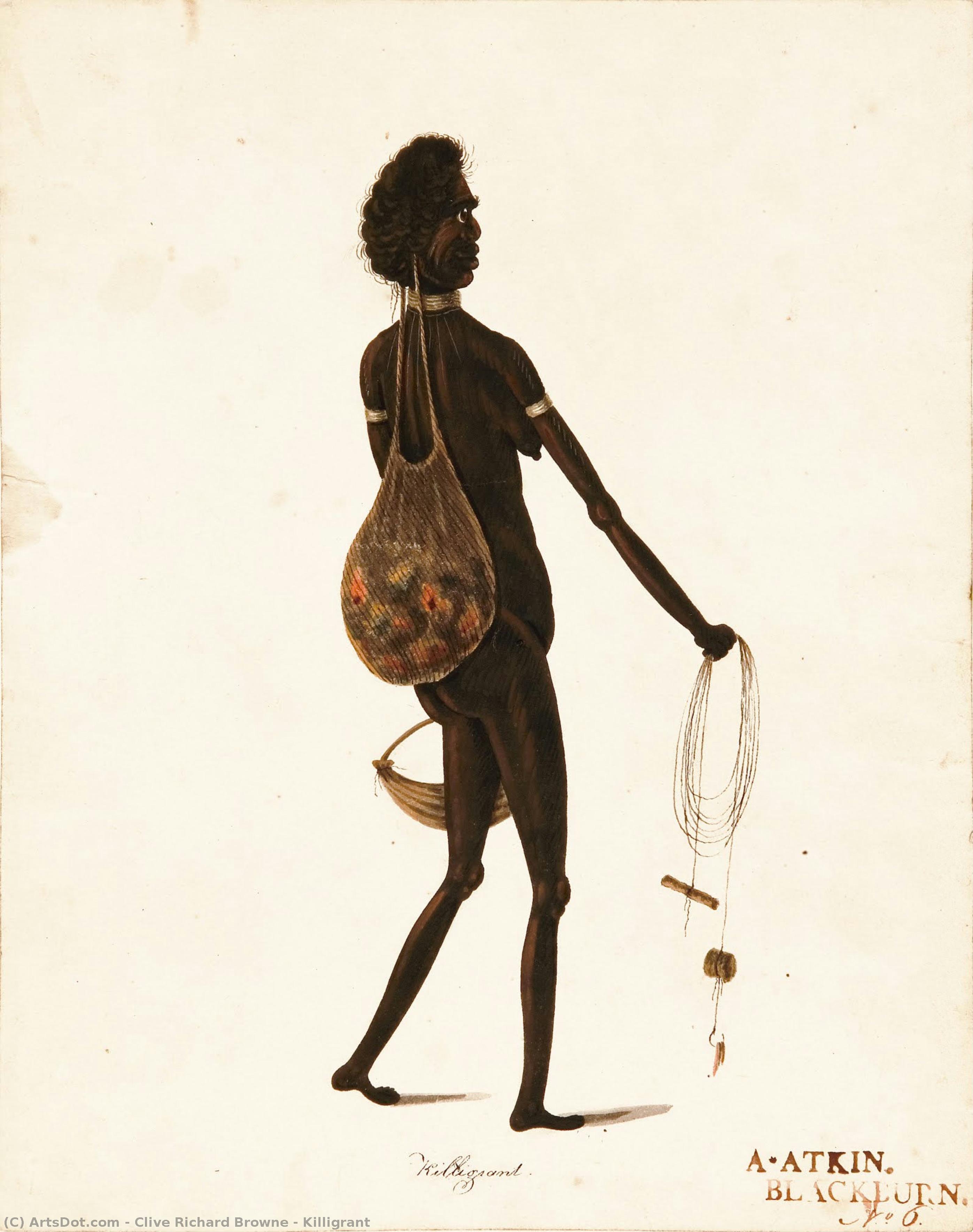
Killigrant

Discover Clive, Iowa’s captivating 1820 watercolor portrait of an Aboriginal man by clive richard browne. Explore its scientific illustration style & colonial gaze.

Fedezd fel Clive Richard Browne egyedi tájképfestő művészt! Megismerkedj Szélséges Szeretettel és Claude Lorrain befolyásával készített ikonikus alkotásaival, melyek megmutatják a romantika fényességét és az európai művészet fejlődéstörténetét.

Giclée / Műnyomat

Múzeumi minőségű giclée vagy vászonnyomat, gyors gyártással és rugalmas finomítási lehetőségekkel.

Standard
custom
CM
INCH

Válasszon előre meghatározott méreteink közül, amelyek megfelelnek a műalkotás eredeti arányainak.

szélesség
magasság

Megadhat saját méreteket is egy konkrét kerethez vagy helyszínhez igazítva. Amennyiben a kiválasztott méret nem egyezik az eredeti kép arányokkal, a műalkotást le fogjuk vágni, vagy kiegészítjük a képet tükrözött vagy egyszínű szélekkel. A gyártás megkezdése előtt egy digitális tervezetet küldünk jóváhagyásra.
Kérjük, vegye figyelembe, hogy a képernyőn látható előnézet nem tükrözi a tényleges levágást vagy kiegészítést. Csak a tervezet mutatja pontosan a végső kompozíciót.
Bár az egyedi méretek is elérhetőek, az eredeti arányok megőrzése érdekében azt javasoljuk, hogy válasszon a előre meghatározott listából származó méretet.

Világszerte történő kiszállítás területére 2 hét alatt, a szokásos 4-5 hét helyett. 6 július

why_choose_icon
Ingyenes globális expressz szállítás
why_choose_icon
Prémium minőségű len vászon
why_choose_icon
Teljes szállítási biztosítás
why_choose_icon
Vámvisszatérítési Garancia
why_choose_icon
Tökéletes színpontosság garancia
why_choose_icon
60 napos visszaküldési lehetőség (csak gyártási hibák esetén)
why_choose_icon
100%-os pénzvisszatérítési garancia
why_choose_icon
Kedvezmény több termény esetén

Összesen

-

reproduction

Killigrant

Giclée / Műnyomat

A reprodukció mérete

-

Összesített ár

-


A művész életrajza

A Visionary of Victorian Britain

Clive Richard Browne (1901–1991) stands as a singular figure in British art, renowned for his masterful synthesis of realism and impressionistic techniques. Born in Worcestershire, England, Browne’s artistic journey began with an early fascination for landscape painting—a passion nurtured by the serene beauty of the Cotswolds countryside. His formative years were marked by exposure to Impressionist luminaries like Claude Monet and Pierre-Auguste Renoir, whose explorations of light and color profoundly impacted his artistic sensibilities. He pursued rigorous academic training at the Slade School of Fine Art in London, honing his skills in draughtsmanship and mastering traditional oil painting methods. Despite adhering to classical principles, Browne’s canvases consistently depicted scenes from rural England—rolling hills, picturesque villages, and evocative portraits capturing the essence of human character. Browne's artistic evolution can be traced through a series of exhibitions showcasing his growing confidence and stylistic refinement. Initially hesitant to embrace bold color palettes, he gradually incorporated Impressionistic hues into his compositions—a subtle yet decisive shift that elevated the expressive power of his paintings. Browne meticulously layered thin glazes upon textured surfaces, creating luminous effects reminiscent of Monet’s iconic landscapes. He skillfully employed atmospheric perspective—a technique borrowed from Baroque painters—to convey depth and grandeur within his canvases. Above all, Browne sought to evoke profound emotional responses in viewers—capturing fleeting moments of beauty and conveying nuanced psychological insights into his subjects. Browne’s unwavering dedication to artistic excellence garnered him considerable acclaim throughout his illustrious career. He achieved international renown for his landscapes, particularly those depicting the Dorset coast—a region celebrated for its dramatic cliffs and turbulent seas. His paintings were exhibited extensively in prestigious galleries across Europe and America, cementing his reputation as one of Britain’s foremost landscape artists. Numerous commissions graced his studio—ranging from portraits of prominent figures to murals adorning public buildings—demonstrating the breadth of his artistic versatility. Browne's legacy extends beyond his individual artworks; he embodies a pivotal moment in British art history—the harmonious convergence of realism and Impressionism. By skillfully blending traditional craftsmanship with innovative stylistic approaches, he championed a vision of beauty rooted in both observation and emotion. He was recognized as one of the most important landscape painters of his time, whose work continues to inspire admiration and contemplation today.

Early Influences

Browne’s artistic sensibilities were decisively shaped by his encounters with Impressionist masters—Claude Monet and Pierre-Auguste Renoir—whose groundbreaking explorations of light and color revolutionized painting practice. Monet's obsession with capturing the ephemeral qualities of natural illumination served as a guiding principle for Browne, prompting him to prioritize atmospheric effects over meticulous detail in his compositions. Renoir’s vibrant palette and expressive brushstrokes instilled in Browne a desire to infuse his canvases with warmth and vitality—a stylistic ambition that would characterize much of his oeuvre.

Formal Training

Browne's artistic education commenced at the Slade School of Fine Art in London, where he immersed himself in rigorous academic instruction focused on draughtsmanship and mastering traditional oil painting techniques. Under the tutelage of esteemed instructors, Browne honed his observational skills—developing an acute awareness of tonal variations and spatial relationships—essential for achieving accurate representation within his landscapes. Simultaneously, he cultivated a mastery of glazing—a technique involving applying thin layers of translucent pigment to build up color depth and luminosity—a cornerstone of Impressionistic painting practice.

Subject Matter

Despite adhering to classical artistic conventions—emphasizing anatomical precision and compositional balance—Browne’s canvases consistently depicted scenes from rural England—rolling hills, picturesque villages, and evocative portraits capturing the essence of human character. He sought to convey not merely visual accuracy but also profound emotional resonance—capturing fleeting moments of beauty and conveying nuanced psychological insights into his subjects. Browne's artistic vision reflected a deep appreciation for the sublime grandeur of the natural world—a fascination that would permeate throughout his entire artistic career.

The Development of His Distinctive Style

Browne’s stylistic evolution unfolded gradually over time—marked by experimentation with color palettes and textural surfaces—resulting in a distinctive visual idiom characterized by luminous effects and atmospheric depth. He skillfully employed glazing techniques—applying thin glazes upon textured surfaces—creating shimmering textures reminiscent of Monet's celebrated landscapes. Furthermore, Browne incorporated compositional considerations borrowed from Baroque painters—utilizing aerial perspective to convey spatial illusion—enhancing the grandeur and majesty of his canvases. Above all, Browne pursued an artistic goal—to evoke profound emotional responses in viewers—capturing fleeting moments of beauty and conveying nuanced psychological insights into his subjects.

Major Achievements

Browne’s unwavering dedication to artistic excellence garnered him considerable acclaim throughout his illustrious career. He achieved international renown for his landscapes, particularly those depicting the Dorset coast—a region celebrated for its dramatic cliffs and turbulent seas. His paintings were exhibited extensively in prestigious galleries across Europe and America, cementing his reputation as one of Britain’s foremost landscape artists. Numerous commissions graced his studio—ranging from portraits of prominent figures to murals adorning public buildings—demonstrating the breadth of his artistic versatility. He was recognized as one of the most important landscape painters of his time, whose work continues to inspire admiration and contemplation today.

Rövid tények

  • Artistic Movement Or Style: Realism Impressionism
  • Artists Who Influenced This Artist:
    • John Constable
    • William Turner
  • Date Of Birth: 1901
  • Date Of Death: 1991
  • Full Name: Clive Richard Browne
  • Nationality: British
  • Notable Artworks:
    • The Old Vicarage Garden
    • Winter Trees
  • Place Of Birth: Cheltenham, Gloucestershire