INGYENES MŰVÉSZETI TANÁCSADÁS

x
Nyomat vásárlása Nyomat vásárlásaKép letöltése Kép letöltése MegosztásMegosztás

RészletekRészletek Kedvencekhez ad Kedvencekhez ad LetöltésLetöltés Hasonló alkotásokHasonló alkotások X-ray felvételX-ray felvétel DiavetítésDiavetítés

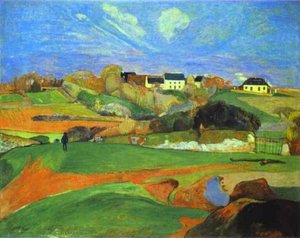
Landscape By A Brook

Bertalan Pór (1880-1964) magyar modernista festő és a Nyolcak művészeti csoport tagja volt. Kiemelkedő alkotásai közé tartozik az Örökség című tájkép és számos nagy múzeum gyűjteményében található művére. Együtt Hodlerrel és Laurenszal új irányokat mutatott meg a magyar művészek körében.

Kézzel készített olajfestmény reprodukció

Kézzel festett olajvastú vászon, az Ön által választott méretben és keretben, művészeink készítik meglévőre.

Standard
custom
CM
INCH

Válasszon előre meghatározott méreteink közül, amelyek megfelelnek a műalkotás eredeti arányainak.

szélesség
magasság

Ön megadhat saját méreteket egy adott kerethez vagy térhez igazításhoz. Ha a kiválasztott méret nem egyezik az eredeti kép arányával, akkor a műalkotást levágjuk, vagy további kézzel festett elemekkel meghosszabbítjuk a festményt. A gyártás megkezdése előtt küldünk Önnek egy digitális előnézetet jóváhagyásra.
Kérjük, vegye figyelembe, hogy a képernyőn megjelenő előnézet nem tükrözi a tényleges vágást vagy kiterjesztést. Csak az előnézet fog pontosan mutatni a végső kompozíciót.
Bár egyedi méretek állnak rendelkezésre, javasoljuk, hogy válasszon egy méretet az előre meghatározott listából az eredeti arányok megőrzése érdekében.

Példák arra, mit lehet módosítani: az arc kicserélése az ügyfél fotójára; háziállat hozzáadása (pl. macska helyett kutya); rejtett üzenet elhelyezése a háttérben; a háttér tájának vagy elemeinek megváltoztatása.
A rendelést követően a WahooArt.com csapata e-mailt küld az ügyfélnek az instrukciókért, és biztosít egy előnézeti képet (mockup).

Világszerte elérhető szállítás () 3-4 hét alatt a szokásos 5 hét helyett. (3 július). A minőség nem kérdőjelezhető.

why_choose_icon
Ingyenes globális expressz szállítás
why_choose_icon
Prémium minőségű len vászon
why_choose_icon
Teljes szállítási biztosítás
why_choose_icon
Vámvisszatérítési Garancia
why_choose_icon
Tökéletes színpontosság garancia
why_choose_icon
60 napos visszaküldési lehetőség (csak gyártási hibák esetén)
why_choose_icon
100%-os pénzvisszatérítési garancia
why_choose_icon
Kedvezmény több termény esetén

Összesen

-

reproduction

Landscape By A Brook

Reprodukciós technika

A reprodukció mérete

-

Összesített ár

-


A művész életrajza

A Pioneer of Hungarian Modernism: The Life and Art of Bertalan Pór

Bertalan Pór, born in Budapest on November 4th, 1880, emerged as a pivotal figure in the landscape of early twentieth-century Hungarian art. His journey, spanning from his formative years amidst the burgeoning artistic fervor of fin-de-siècle Hungary to his eventual embrace of Parisian modernism and return to contribute to his homeland’s cultural revival, embodies a commitment to innovation and a profound engagement with the evolving aesthetic sensibilities of his time. From an early age, Pór demonstrated a natural aptitude for drawing, setting him on a path that would lead him through rigorous academic training and ultimately into the heart of avant-garde artistic circles. He initially honed his skills at the School of Industrial Design in Budapest under László Gyulay, but recognizing the limitations of local instruction, he sought further development abroad. Munich became his first destination, where he studied with Gabriel von Hackl, absorbing German artistic traditions before venturing to the vibrant artists’ colony of Nagybánya. This community, founded by Simon Hollósy and others, proved instrumental in shaping Pór's artistic vision, fostering a collaborative spirit and an openness to experimentation that would define his future work. His studies culminated in Paris at the Académie Julian under Jean Paul Laurens, exposing him to the latest trends in French painting and solidifying his foundation in academic technique.

Early Years and Artistic Training

Pór’s artistic trajectory began with a grounding in traditional drawing instruction at Budapest's School of Industrial Design, where he studied under László Gyulay. However, recognizing that Hungarian art education lacked the breadth necessary to prepare him for the challenges of the modern era, he proactively pursued opportunities for advancement abroad. Munich proved to be a formative experience, providing access to German artistic traditions championed by Gabriel von Hackl—a teacher who instilled in Pór a deep appreciation for compositional rigor and meticulous observation. This influence would permeate his subsequent work, particularly evident in his landscapes and portraits. Furthermore, his participation in Hollósy Simon’s private school nurtured a spirit of collaboration and encouraged him to explore unconventional approaches to artistic expression. The Harkányi-ösztöndíj (Hungarian Academy Scholarship), awarded upon completion of his Munich studies in 1901, afforded him the invaluable chance to continue his education at the Julian Academy in Paris—a pivotal moment that cemented his connection with French Impressionism and Fauvism. Jean Paul Laurens’ guidance instilled in Pór a mastery of academic technique while simultaneously exposing him to the revolutionary ideas circulating within Parisian artistic circles.

The Birth of ‘The Eight’ and Avant-Garde Engagement

Pór's artistic ambitions took center stage when he joined “The Eight” (Nyolcak), a collective of Hungarian artists who dared to challenge the conservative dominance of the Hungarian art establishment in 1909. This group—consisting of Károly Kernstok, Róbert Berény, Dezső Czigány, Béla Czóbel, Ödön Márffy, Dezső Orbán, and Lajos Tihanyi alongside Pór—represented a bold rupture from prevailing artistic conventions. They rejected academic idealism in favor of expressive color palettes and dynamic compositions, mirroring the stylistic innovations championed by artists like Henri Matisse and André Derain. The Eight’s commitment to portraying modern life and exploring subjective experience through bold colors, distorted forms, and unconventional perspectives signaled a decisive shift toward Hungarian modernist art—a movement that would profoundly influence subsequent generations of Hungarian painters. Pór's involvement with The Eight wasn't merely stylistic; it reflected a broader intellectual engagement with the philosophical currents shaping Europe at the time – particularly Nietzsche’s critique of morality and Wagner’s Gesamtkunstwerk concept.

A Parisian Period Marked by Landscape Painting

Following his return to Hungary, Pór continued to develop his artistic practice, focusing primarily on landscape painting—a genre that would become synonymous with his distinctive style. He embraced the plein air technique championed by Cézanne and Monet, meticulously capturing the nuances of Hungarian landscapes with remarkable accuracy and emotional intensity. His canvases are characterized by a masterful use of color—particularly vibrant hues reminiscent of Fauvist experimentation—and an expressive brushstroke that conveys both observation and feeling. During his Parisian exile (1938-1948), Pór’s artistic output remained consistent, albeit subtly altered by the influence of Russian Constructivism and Surrealism. He explored themes of solitude and contemplation, reflecting the psychological impact of displacement while simultaneously experimenting with innovative compositional strategies. His landscapes from this period retain a palpable sense of melancholy—a testament to his personal experience as an artist exiled from his homeland.

Legacy and Recognition

Bertalan Pór’s contribution to Hungarian art history is undeniable. He stands as one of the foremost proponents of modernist Hungarian painting, shaping the aesthetic sensibilities of his time and inspiring countless artists who followed him. His paintings—particularly “Bulls,” “The Family,” and “Margitka”—are held in prestigious collections worldwide, including the Hungarian National Gallery and the Museum of Modern Art in New York City—a testament to their enduring artistic merit. Furthermore, Pór’s influence extends beyond his individual oeuvre; he served as a teacher at the Hungarian Academy of Fine Arts until 1960, transmitting his knowledge and passion for art to a new generation of students. His unwavering dedication to artistic integrity and his pioneering spirit continue to resonate today—solidifying Bertalan Pór's place among Hungary’s most celebrated artists.
  • Key Movements: Fauvism, Cubism, Expressionism
  • Notable Works: Bulls, The Family, Margitka
  • Influences: Gabriel von Hackl, Jean Paul Laurens, Ferdinand Hodler
Pór Bertalan

Pór Bertalan

1880 - 1964 , Magyarország

Rövid tények

  • Artistic Movement Or Style: Modernism, Fauvism, Cubism
  • Artists Or Movements Influenced By This Artist:
    • The Eight (Nyolcak)
    • Hungarian Modernism
  • Artists Who Influenced This Artist:
    • Gabriel von Hackl
    • Jean Paul Laurens
    • Ferdinand Hodler
  • Date Of Birth: November 4, 1880
  • Date Of Death: August 29, 1964
  • Full Name: Bertalan Pór
  • Nationality: Hungarian
  • Notable Artworks:
    • Bulls
    • The Family
    • Margitka
  • Place Of Birth: Budapest, Hungary