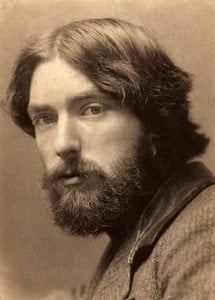
A Welsh Bohemian: The Life and Art of Augustus Edwin John
Augustus Edwin John, a névrokkos és szenvedélyes művész, egyedi életmódja és festményei mindegyike egyedülálló. Született Tenbynél, Walesben 1878-ban, a művészi utca elején, a szülői ölelésben kezdődött el a rajzolás iránti vágya. Ez az ébresztő erő későbbi életében is meghatározta, és a Tenby School of Art tanulmányaiiban mutatkozott meg először a tehetsége. A Slade School of Fine Art-on (1894-1898) töltött idő azonban valóban felgyújtotta az alkotói lángot, ahol a vonalkészségei szinte kivételes mértékűek lettek, és már ekkor elnyerte a tiszteletet és a figyelmet. Egy tragikus esemény azonban megváltoztatta életét: 1897-ben, Tenbynél egy merülés közbeni baleset után súlyos fejbontás következett be, ami mélyen befolyásolta személyiségét és művészeti stílusát.
Influences and the Shaping of a Style
John művészi érzékei mélyen gyökereztek az ókori mestereknél, különösen Peter Paul Rubensoznál, akinek dinamikus kompozíciói és gazdag színvilága ihletett benne nagy tiszteletet. Ugyanakkor a francia kortársok, mint például Matisse és Gauguin, innovációit is magozta, elfogadva a színek kifejező használatát és a hagyományos akadémiai korlátok elutasítását. Puvis de Chavannes finom tonal harmóniája pedig tovább gazdagította az esztétikai látásmódját. Ezek a sokszínű befolyások egyedülálló stílust alkottak, melyet élénk színekkel, folyós vonalakkal és a tárgyak lényegének megfogására való törekvéssel jellemeztek. John nemcsak a hasonlóságot akarta ábrázolni; az egyes egyének átélésének, pillanatnyi érzelmeinek felfedezését célozta meg. Ez a vágy vezette őt a portréfestészetben, ahol kivételes képessége volt az "instantán hangulat" elkaptására – a modell lelke rövid pillantásának megörökítésére.
Portraits and Gypsy Lore: A Life Lived Fully
Augustus Edwin John művészete leginkább a lenyűgöző portréinak köszönhetően ismert. Festményei életre kelték a nemesi és irodalmi világ prominens szerepeseit, olyan alakokat ábrázolva, mint David Lloyd George, James Joyce és George Bernard Shaw, akiknek munkái mély pszichológiai rétegeket tartalmaznak, ami meghaladja a egyszerű reprezentációt. Bemutatások, mint például *Caspar* (1909), egy gyermeki ártatlanságot ábrázoló szívmeltő, és Archibald Henry Macdonald Sinclair (1924) portréi valamint Francis Henry Crittall (1919) is bizonyíték a képességére. John művészi érdekei azonban nem korlátozódtak a hagyományos portréfestészetre. A románik kultúrával való mély kapcsolatában pedig egy nomád életmódot választott, családjával együtt egy hosszú időre vándorolt. Ez az elméletesen élvezhető tapasztalat nagyban befolyásolta művészetét, belefogadva a szabadság, a vadászati vágy és a természet szépségének témáit. A közösséggel való mély kapcsolata pedig azt eredményezte, hogy a Gypsy Lore Society elnöke lett, ezzel is megerősítve az értékét és tiszteletét irántuk. *Air Mechanic Shaw* (1935), T.E. Lawrence portréja egy másik bizonyítéka annak képességére, hogy összetett karaktereket kiváló érzékenységgel ábrázoljon.
A Complex Legacy: Recognition and Reassessment
Augusztus Edwin John karrierje során széles körű elismerést és kritikus változásokat is élvezett. Kezdetben a festményeinek innovatív olajrajzolási technikái és alakrajzai miatt ünnezték, de néhány kritikust később túl pompásnak vagy festői kifinomultság hiányosnak találta. A I. világháború idején mint katonai művész, a kanadai csapatokhoz tartozva emlékezetes portrékat alkotott, de egy tragikus incidens miatt visszahívták Angliába. Bár ezek a kihívások után John továbbra is prodigiózusan festett portrékat a gazdag és híres embereknek, stílusa néhány évvel később elvándorolt, munkái kritikusok szerint "csillantók és bombasztikusak" lettek. Azonban az 1942-es kitüntetése mellett, John dokumentálta életét és művészi filozófiáját két kötete révén: *Chiaroscuro* (1952) és *Finishing Touches* (a halála után megjelent). Bár hírneve egy kicsit elhalványult a második világháború után, az utóbbi időben újraértékelésre került, különösen az első művek vibranciája és eredetisége miatt. Művészete öröksége tovább gazdagodik a nővére, Gwen John művészi eredményei által, akinek egyedi látásmódja is jelentős mértékben hozzájárult a modernista mozgalomhoz.
- Született: January 4, 1878, Tenby, Wales
- Halott: October 31, 1961, Fordingbridge, Anglia



 Megtekintés
 Switch to Print
 Küldés
 Megosztás
 Részletek

 Letöltés
 Hasonló darabok
 X-ray felvétel
 Diavetítés
 Stats
Stats


 Összes részlet megjelenítése






































 Az üvegkeretes opció csak 110 cm alatti méretben érhető el