x
MegtekintésMegtekintés Műalkotás AR előnézeteMűalkotás AR előnézete Nyomat rendelése Nyomat rendeléseKép letöltése Kép letöltése KüldésKüldés

RészletekRészletek Kedvencekhez ad Kedvencekhez ad LetöltésLetöltés Hasonló darabokHasonló darabok X-ray felvételX-ray felvétel DiavetítésDiavetítés

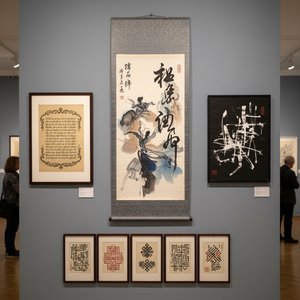
Untitled (DD2DKZ)

Exquisite Japanese calligraphy by Ashikaga Yoshimitsu – a rare aged paper piece showcasing traditional brushwork & historical significance. Discover this unique art.

Ashikaga Yoshimitsu (1358-1408): 3rd Ashikaga Shogun, patron of Zen Buddhism & art. Unified Japan, fostered Sino-Japanese trade. Explore his legacy!

Kézzel készített olajfestmény reprodukció

Kézzel festett olajvastú vászon, az Ön által választott méretben és keretben, művészeink készítik meglévőre. (Nyomat rendelése Nyomat rendeléseKép letöltése Kép letöltése)

Standard méret
egyedi méretű
CM
INCH

Válasszon előre meghatározott méreteink közül, amelyek megfelelnek a műalkotás eredeti arányainak.

szélesség
magasság

Ön megadhat saját méreteket egy adott kerethez vagy térhez igazításhoz. Ha a kiválasztott méret nem egyezik az eredeti kép arányával, akkor a műalkotást levágjuk, vagy további kézzel festett elemekkel meghosszabbítjuk a festményt. A gyártás megkezdése előtt küldünk Önnek egy digitális előnézetet jóváhagyásra.
Kérjük, vegye figyelembe, hogy a képernyőn megjelenő előnézet nem tükrözi a tényleges vágást vagy kiterjesztést. Csak az előnézet fog pontosan mutatni a végső kompozíciót.
Bár egyedi méretek állnak rendelkezésre, javasoljuk, hogy válasszon egy méretet az előre meghatározott listából az eredeti arányok megőrzése érdekében.

Példák arra, mit lehet módosítani: az arc kicserélése az ügyfél fotójára; háziállat hozzáadása (pl. macska helyett kutya); rejtett üzenet elhelyezése a háttérben; a háttér tájának vagy elemeinek megváltoztatása.
A rendelést követően a WahooArt.com csapata e-mailt küld az ügyfélnek az instrukciókért, és biztosít egy előnézeti képet (mockup).

Világszerte elérhető szállítás () 3-4 hét alatt a szokásos 5 hét helyett. (29 augusztus). A minőség nem kérdőjelezhető.

why_choose_icon
Ingyenes globális expressz szállítás
why_choose_icon
Prémium minőségű len vászon
why_choose_icon
Teljes körű szállítási biztosítás
why_choose_icon
Vámvisszatérítési Garancia
why_choose_icon
Hiteles színpontosság garancia
why_choose_icon
60 napos visszaküldési lehetőség (csak hibás termékek esetén)
why_choose_icon
100% pénzvisszatérítési garancia
why_choose_icon
Több darab vásárlása esetén kedvezmény

Összesített ár

$ 272

reproduction

Untitled (DD2DKZ)

Reprodukciós technika

Reprodukció mérete

-

Összesített ár

$ 272


A művész életrajza

Ashikaga Yoshimitsu: A Life of Power and Patronage

Early Life and Ascension

  • Ashikaga Yoshimitsu (September 25, 1358 – May 31, 1408) was the third shōgun of the Ashikaga shogunate, ruling Japan during the Muromachi period.
  • Born in Kyoto as Haruō, he was the oldest surviving son of Ashikaga Yoshiakira.
  • He ascended to the position of shōgun at the young age of ten in 1368, inheriting a hereditary title that commanded the military estate.
  • By twenty, Yoshimitsu had gained prominence within the imperial court, serving as acting grand counselor (gon dainagon).

Political and Institutional Reforms

  • In 1379, Yoshimitsu initiated a significant reorganization of the *gozan zen* (Five Mountain Zen) establishment, solidifying its institutional framework.
  • He broke precedent in 1381 by becoming the first member of the samurai class to host a reigning emperor at his private residence – a demonstration of growing shogunal power.
  • A pivotal achievement was his successful negotiation in 1392, bringing an end to the Nanboku-chō imperial schism that had divided Japan for over half a century.
  • Further elevating his status, he became grand chancellor of state (daijō daijin) in 1394, the highest rank within the imperial court.

Retirement and Cultural Flourishing

  • Yoshimitsu retired from public office in 1395, taking religious vows and retreating to his lavish retirement villa, Kitayama-dono.
  • Kitayama-dono was renowned for its opulence, most notably the Kinkaku Shariden (Golden Pavilion), two-thirds covered in gold leaf – a symbol of Yoshimitsu’s wealth and power.
  • During his retirement, he received envoys from both the Ming and Joseon courts on at least six occasions, establishing crucial trade relations with China that lasted over a century.

Diplomacy and Recognition

  • Yoshimitsu skillfully navigated diplomatic complexities, often employing displays of subservience to secure favorable terms from the Ming dynasty.
  • In recognition of his efforts, the Chinese sovereign bestowed upon him the title “King of Japan” (Nihon Kokuō).
  • In 1407, he ambitiously attempted to assume the title *daijō tenno* – a designation typically reserved for retired emperors. Though unrealized due to his death, this move underscored his desire for ultimate authority.

Artistic and Religious Legacy

  • Late in his career, Yoshimitsu increasingly sought to legitimize his power through the lens of Buddhist kingship.
  • He employed elaborate rituals, symbolic imagery, and monumental architecture – like Kitayama-dono – to portray himself as a universal monarch or *dharma king*, mirroring rulers in Southeast Asia.
  • His posthumous name was Rokuon'in (鹿苑院), further cementing his place in Japanese history.

Historical Significance

  • Yoshimitsu’s reign marked a golden age for Zen Buddhism, art, and architecture during the Muromachi period.
  • His diplomatic achievements fostered cultural exchange and economic prosperity.
  • He is remembered as a complex figure – a powerful shogun who skillfully balanced political ambition with artistic patronage and religious devotion.
  • His legacy continues to influence Japanese culture and aesthetics today.
Ashikaga Yoshimitsu

Ashikaga Yoshimitsu

1358 - 1408 , Japan

A művészről röviden

  • Birth Date: September 25, 1358
  • Birth Place: Kyoto, Japan
  • Death Date: May 31, 1408
  • Movement: Muromachi period art & architecture
  • Name: Ashikaga Yoshimitsu
  • Nationality: Japanese
  • Notable Works: Kitayama-dono villa (Kinkaku-ji)