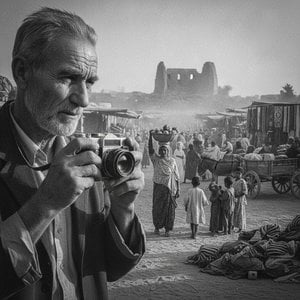
A kettős vászon: Arjun Bijlani élete és művészete
Arjun Bijlani, 1982-ben Mumbai, Indiában született, egy lenyűgöző találkozási pontot képvisel a világok között – az indiai televízió vibráló tája és a dokumentarista fotózás csendes, figyelmes világa. Bár széles körben elismert színészként ismert, művészi törekvései mélységet mutatnak a szerepjátszás felett, éles szociális kommentárt, valamint odaadást a mindennapi élet lényegének megörökítéséhez, amelyet gyakran figyelmen kívül hagynak. Bijlani útja nem egy korábbi karrier elhagyása új szenvedélyért, hanem két különböző kreatív fonal szálának ügyes összefonásáról szól, amely egy meggyőző történetet alkot. Színészi karrierjét Ekta Kapoor *Kartika* című műsorával kezdte a Hungama TV-n, gyorsan népszerűségre tett szert olyan sorozatokban játszott szerepeivel, mint a *Left Right Left*, a *Miley Jab Hum Tum* és a *Meri Aashiqui Tum Se Hi*. Sikere a valóságtévéadásba is kiterjedt, megnyerve a *Fear Factor: Khatron Ke Khiladi 11*-et, ezáltal megerősítve pozícióját sokoldalú szórakoztatóként. Azonban ennek a nyilvános személyiségnek mellett Bijlani egyre növekvő érdeklődést táplált a fotózás iránt, vizuális meseként alakult át, az empátiától és a társadalmi tudatosság által vezérelve.
A lencse tanúként: Stílus és témák
Bijlani fotográfiai munkája szilárdan gyökerezik a szociális realizmus és dokumentarista fotózás hagyományában. A stílusa nem nagyszabású gesztusokról vagy előre megrendezett kompozíciókról szól; ehelyett az indiai mindennapi élet pillanatait ragadja meg a legszívesebben. Fókuszál a rendes emberek életére – munkásokra, piaci árusokra, akik a városi lét összetettségével küzdenek – történeteiket őszintén és tisztelettel mutatva be. Munkájának meghatározó jellemzője a fekete-fehér fotózás következetes használata. Ez az elkötelezett választás nem csupán esztétikai; hangsúlyozza a textúrát, a kontrasztot és egy időtlen minőséget, amely meghaladja az elmúló trendeket. A szín hiánya lehetővé teszi a néző számára, hogy összpontosítson minden kép nyers érzelmeire és a benne rejlő méltóságra. Képei nem csupán arról szólnak, *mi* van, hanem gondolatébresztő vizsgálatok a társadalmi kérdésekről, mint például a szegénység, a munkakiplenbenedés és a világ eseményeinek, mint például a járvány, átható hatása. Nem prédikál, vagy megoldásokat kínál; vizuális narratívát mutat be, amely elmélkedésre ösztönöz és arra készteti a nézőt, hogy szembejöjjön a kényelmetlen igazságokkal.
Az élet tükörképei: Hatások és művészi fejlődés
Bár konkrét művészi hatások nem terjedtek széles körben, Bijlani munkája az utcai fotósok szellemével rezonál, akik a hiteles dokumentációt részesítik előnyt a stilisztikai finomításokkal szemben. Megközelítése megbecsülésre utal azok iránt a művészek iránt, akik mesterségüket a társadalmi megfigyelés eszközének tekintik – akik hisznek abban, hogy a fotózás képes tanúja lenni és párbeszédet kezdeményezni. A Henri Cartier-Bresson mesterek hatása, aki a "döntő pillanatra" volt ismert, finoman érzékelhető Bijlani azon képességében, hogy elkapja azokat a múló pillanatokat, amelyek nagyobb történeteket testesítenek meg. Azonban Bijlani munkája különösen indiai, ami tükrözi hazájának egyedi kulturális kontextusát és társadalmi valóságait. Művészi fejlődése organikusnak tűnik, személyes érdeklődésből a vizuális történetmesélés iránt, fokozatosan koncentráltabbá válva a társadalmi témák feltárásában. Az átmenet nem volt hirtelen; inkább a megfigyelési készségeinek fokozatos finomítása és az elkötelezettség mélyülése, hogy platformját felhasználja a marginalizált hangok felerősítésére.
Az időben megfagyott pillanatok: Jeles alkotások
Bijlani portfóliója egyre növekvő mennyiségű vizuálisan lenyűgöző és érzelmileg rezonáns munkát mutat be. A "Szakszervezet munkása a Puthanpally templommal a háttérben" tökéletesen példázza azt, hogy hogyan képes elemeket – munkát, hitet és kulturális kontextust – egyetlen képbe illeszteni, rétegelt narratívát alkotva. A "Deserted market in the times of pandemic" megdöbbentően ábrázolja a globális események hatását a helyi közösségekre, elszigeteltség és gazdasági nehézségek érzetét keltve. Talán egyik legerősebb alkotása a "Worker at an old ayurvedic supplies shop", amely nyers és könyörtelen ábrázolást kínál a szegénségről és a rezilienciáról. A kép nem kiaknázó; tisztelettel van átitatva a témában rejlő méltósággal és erővel. A cím nélküli sorozata tovább bizonyítja tehetségét, hogy szépséget és jelentést talál látszólag hétköznapi jelenetekben, az egyszerűt művészet szintjére emelve. Ezek a képek nem csupán fényképek; ablakok ritkán látott életbe, történetek, amelyekre érdemes meghallgatni őket.
A világok közötti híd: Történelmi jelentőség és jövőbeli pályák
Arjun Bijlani egyedi helyzetet foglal el a kortárs művészeti tájon. Ő egy elismert szórakoztató, aki sikeresen átállt társadalmi dokumentarista szerepére, áthidalva a populáris kultúra és a művészi kifejezés közötti szakadékot. Ez a kettősség különleges hitelességet és hatótávolságot kölcsönöz munkájának. Képes szélesebb közönséget vonni be fontos társadalmi kérdésekbe, mind televízióval, mind fotózással. Bár viszonylag új a művészeti világban, Bijlani perspektívája felbecsülhetetlen – betekintést nyújt az indiai társadalom életébe és tapasztalataiba, akadémiai távolság vagy előítélet nélkül. Ahogy folytatja művészi gyakorlatának fejlesztését, egyensúlyban tartva azt a színészi karrierjével, Arjun Bijlani jelentős hanggá válhat a kortárs indiai művészetben, értékes betekintést nyújtva az ország lakóinak életébe és tapasztalataiba. Munkája emlékeztet bennünket arra, hogy a művészet nem csak galériákban és múzeumokban található meg, hanem az utcákon, piazozokon és a világunkat formáló mindennapi pillanatokban is.
- Született: Mumbai, India (1982)
- Ismert: Televíziós színészet, dokumentarista fotózás
- Stílus: Szociális realizmus, fekete-fehér fotózás
- Témák: Szegénység, munka, mindennapi élet, társadalmi kommentár



 Váltás nyomtatványra
 Küldés
 Megosztás
 Részletek
 Útmutató

 Letöltés
 Hasonló darabok
 Diavetítés
 Statisztika


 Összes részlet megjelenítése






































 Az üvegkeretes opció csak 110 cm alatti méretben érhető el