


Az ezen az oldalon megjelenített műalkotások szerzői jogi védelem alatt állnak, ami azt jelenti, hogy törvényileg nem készíthetünk és nem adhatunk el belőlük pontos másolatokat. Ez a védelem olyan nemzetközi megállapodások alapján érvényesül, mint például a Berni Egyezmény és a nemzeti jogszabályok által, beleértve azokat is, amelyeket meghatározott Az USA szerzői jogi törvénye – 17. cím.
Ez a módszer teljes mértékben megfelel a szerzői jogi szabályozásnak, mivel nem tartalmazza a védett műalkotás másolását vagy duplikálását. Ehelyett ez egy kreatív újinterpretáció – egy új festmény, amely az eredetivel való összefüggései miatt hatással van rá, de nem az az.
Múzeumi minőségű giclée vagy vászonnyomat, gyors gyártással és rugalmas finomítási lehetőségekkel. ( Kézzel festett másolat rendelése Áttérés digitális képre)





























Válasszon előre meghatározott méreteink közül, amelyek megfelelnek a műalkotás eredeti arányainak.

Írja be a keretének vagy a falának megfelelő szélességet és magasságot. A nyomatot csak le lehet vágni, soha nem tehető nagyobbá, mint az eredeti kép, így egy eltérő alakú méretnél a kép egy része elveszik. Mielőtt bármit kinyatintanánk, küldünk egy digitális próbamodellt jóváhagyásra. Az oldalon látható kép nem tartalmazza a valós levágást — ezt csak a próbamodell mutatja meg.
Világszerte történő kiszállítás területére mindössze 2 hét alatt, a szokásos 4-5 hét helyett. (1 november)
W. E. B. Du Bois
Reprodukció mérete
Addison Norton Scurlock's 1911 photograph of W. E. B. Du Bois stands as more than just a portrait; it is a meticulously crafted document of an era, a visual embodiment of the complex social and intellectual currents shaping early 20th-century America. The image captures Du Bois not merely as a prominent scholar and activist, but as a man wrestling with the profound “double consciousness” – a term he himself coined – that defined the Black experience in a nation grappling with its own identity. Scurlock’s skill lies not just in his technical proficiency, but in his ability to subtly convey the weight of this historical burden through composition, light, and the very gaze of the subject.
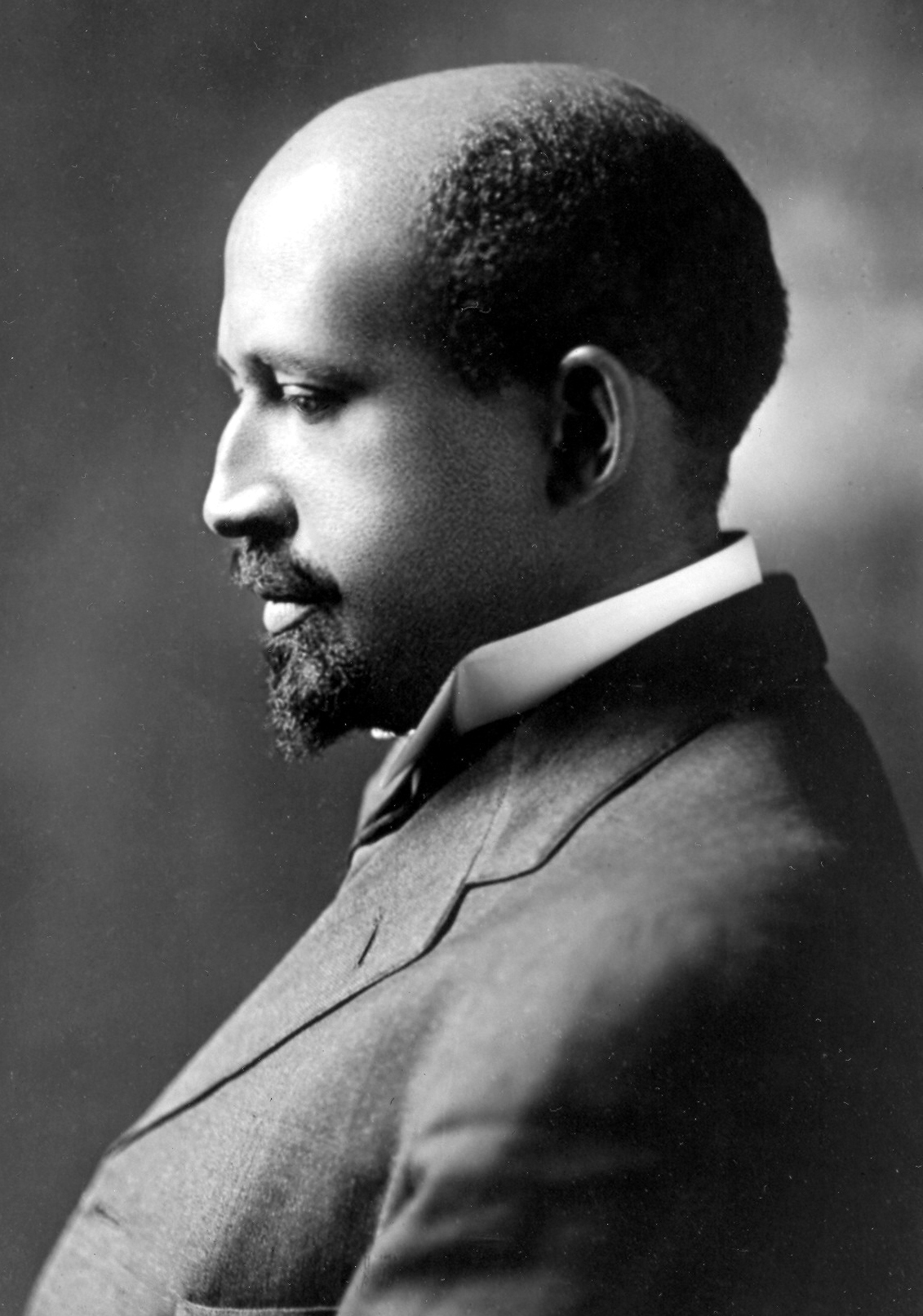
(Image courtesy of Smithsonian Archives)
Scurlock's work was deeply rooted in the vibrant, yet often overlooked, community of African Americans in Washington D.C. during this period. He wasn’t simply a portraitist; he was an active participant in documenting the daily lives, cultural expressions, and political aspirations of Black Washingtonians. His studio became a central hub, a place where families sought dignified portraits – a tangible assertion of their presence and identity within a society that frequently denied them recognition. The photograph itself reflects this community engagement, hinting at a setting beyond the formal studio, suggesting a moment captured in a more relaxed, intimate environment.
The backdrop, though subtly rendered, speaks volumes about the era. It’s not a grand cityscape or an opulent interior; instead, it suggests a quiet street scene – a deliberate choice that anchors Du Bois within his immediate context and highlights his connection to the everyday realities of Black life in Washington.
Scurlock's mastery is evident in the photograph’s nuanced details. The use of black and white gelatin silver print lends a timeless quality, with subtle tonal variations creating depth and texture. Note the careful control of light – it illuminates Du Bois’s face, drawing attention to his thoughtful expression while leaving the background softly shadowed. This technique emphasizes the subject's presence without overwhelming him. The composition is carefully balanced; Du Bois’s posture conveys a sense of quiet contemplation, while his slightly turned head invites the viewer into his thoughts.
Furthermore, Scurlock’s use of photographic techniques—particularly in capturing the subtle nuances of expression—demonstrates an understanding that went beyond mere documentation. He was striving to create a portrait that resonated with both intellectual and emotional depth.
Du Bois's gaze, directed slightly off-camera, is particularly significant. It’s not a direct, confrontational stare; rather, it suggests introspection and a considered awareness of his position within American society. This subtle shift in focus powerfully embodies the concept of "double consciousness" – the feeling of always looking at oneself through the eyes of others, as articulated by Du Bois himself. The photograph becomes a visual representation of this internal struggle: the simultaneous experience of being both an African American and an American citizen.
The image serves as a poignant reminder of the challenges faced by Black intellectuals during this period – the constant need to navigate racial prejudice while striving for social justice and intellectual advancement. Scurlock’s photograph is not simply a portrait; it's a powerful testament to Du Bois’s legacy and the enduring significance of his ideas.
A „W. E. B. Du Bois”, Addison N. Scurlock alkotása javasolt felhasználása Reflective. Emellett más célokra is alkalmas lehet.
A „W. E. B. Du Bois”, Addison N. Scurlock alkotása domináns színe a Green to Violet Spectrum. Ez a szín a paletta alapvető tónusa.
A „W. E. B. Du Bois” alkotását Addison N. Scurlock készítette Black Washington Photography stílusban. A művész és a műveszetség meghatározza a mű hagyományát.


Explore the ephemeral beauty of Japanese Ukiyo-e art. From the dynamic warriors of Kuniyoshi to serene landscapes, discover the profound history, masterful techniques, and global influence of these iconic woodblock prints in our deep cultural retrospective.

Explore the profound beauty of Japanese Ukiyo-e art. Discover the legacy of Hokusai and the Utagawa school through an expert exploration of Edo-period aesthetics, seasonal motifs, and the enduring global influence of Japan's 'Floating World' on fine art history.

Embark on a visual journey through the ephemeral beauty of Ukiyo-e. Discover the masters of the floating world, from dynamic warriors to Kabuki legends, and explore the profound cultural legacy of Japanese woodblock printing in this expert guide for art enthusiasts.

Embark on a journey through the 'Floating World' with our expert guide to Ukiyo-e. Discover the profound history, legendary masters like Hokusai and Harunobu, and the enduring influence of Japanese woodblock prints on global art history.
 Megtekintés
 Küldés
 Megosztás
 Részletek
 Útmutató

 Letöltés
 Hasonló darabok
 X-ray felvétel
 Diavetítés
 Q&A
Q&A Statisztika


 Összes részlet megjelenítése









 Az üvegkeretes opció csak 110 cm alatti méretben érhető el


