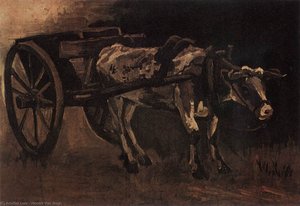
विलियम एच. जॉनसन: एक दृढ़ संकल्प और दूरदर्शिता की आवाज़
विलियम हेनरी जॉनसन (1901-1970) अमेरिकी कला इतिहास के आधार स्तंभों में से एक हैं, विशेष रूप से हार्लेम पुनर्जागरण की जीवंत टेपेस्ट्री के भीतर। फ्लोरेन्स, दक्षिण कैरोलिना में जन्मे, उनकी कलात्मक यात्रा जिम क्रो अमेरिका की जटिलताओं के बीच शुरू हुई थी, जिसने उनके विश्वदृष्टि को आकार दिया और उनकी विशिष्ट दृश्य भाषा को गहराई से प्रभावित किया - आधुनिकतावादी अमूर्तता और गहरी जड़ें लोक परंपराओं का मिश्रण जो आज भी गूंजता है।
जॉनसन के शुरुआती वर्षों ने अफ्रीकी अमेरिकी संस्कृति और आध्यात्मिकता के साथ एक गहरा संबंध स्थापित किया। उन्होंने पीढ़ी दर पीढ़ी चली आ रही सुसमाचार संगीत, कहानी कहने की परंपराओं और योरूबा धर्म की प्रतीकवाद से प्रभाव को अवशोषित किया, ये तत्व उनकी कलात्मक प्रक्रिया का अभिन्न अंग बन गए। यह मौखिक परंपरा में जमी हुई पृष्ठभूमि संघर्ष, दृढ़ता और आध्यात्मिक उत्कर्ष की कहानियों को व्यक्त करने वाले प्रतीकात्मक इमेजरी - आत्माओं, जानवरों और ज्यामितीय पैटर्न से भरी कैनवस में अनुवादित हुई।
उनकी कलात्मक विकास महाद्वीपों में फैला, यूरोप से लेकर मैक्सिको तक, जहाँ उन्होंने विभिन्न माध्यमों जैसे तेल रंग, जल रंग और कोलाज के साथ प्रयोग करके अपने कौशल को निखारा। उन्होंने इम्पैस्टो जैसी तकनीकों को अपनाया - मोटे रंग की परतें लगाने - अपनी पेंटिंग में मूर्त बनावट और भावनात्मक तीव्रता भरने के लिए। यह दृष्टिकोण अभिव्यक्तिवाद की विशेषता वाली अभिव्यंजक उत्साह को दर्शाता था, फिर भी जॉनसन ने अपनी व्यक्तिगत विरासत में निहित एक अद्वितीय सौंदर्य बनाए रखा।
जॉनसन का कार्य अफ्रीकी अमेरिकी व्यक्तियों की गरिमा और लचीलापन दर्शाने वाले पोर्ट्रेट, ग्रामीण दक्षिण कैरोलिना की सुंदरता को चित्रित करने वाले परिदृश्य और पौराणिक कथाओं और आध्यात्मिकता के विषयों का पता लगाने वाली काल्पनिक कल्पनाओं सहित विषयों की आश्चर्यजनक विविधता से चिह्नित है। उल्लेखनीय कार्यों में "द ब्लैक क्राइस्ट" (1938) शामिल हैं, जो योरूबा प्रतीकवाद से भरा एक विशाल कैनवास है जो शक्तिशाली रूप से विश्वास और करुणा को व्यक्त करता है; “द ग्रेट स्पिरिट” (1964), जो जॉनसन की शमांवादी इमेजरी और आध्यात्मिक खोज का प्रतीक है; और "ब्लैक बॉय" (1937), प्रतिकूल परिस्थितियों का सामना करने वाली युवा मासूमियत का मार्मिक चित्रण।
अपनी कलात्मक उपलब्धियों से परे, विलियम एच. जॉनसन की विरासत एक शिक्षक और संरक्षक के रूप में उनकी भूमिका तक फैली हुई है, जो समान शैलीगत अन्वेषणों को अपनाने वाले युवा कलाकारों की प्रतिभा को बढ़ावा देता है। उनका प्रभाव बाद की पीढ़ियों के अश्वेत अमेरिकी चित्रकारों में देखा जा सकता है जिन्होंने नवीन दृश्य शब्दावली के माध्यम से पहचान और सांस्कृतिक विरासत के अनुभवों को व्यक्त करने की मांग की। आज, जॉनसन की पेंटिंग दुनिया भर के प्रतिष्ठित संग्रहालयों - स्मिथसोनियन अमेरिकन आर्ट म्यूजियम और हैंपटन यूनिवर्सिटी म्यूजियम सहित - हार्लेम पुनर्जागरण की ब्लैक लाइफ को ईमानदारी और गरिमा के साथ चित्रित करने की प्रतिबद्धता के प्रतीक के रूप में उनकी स्थायी कलात्मक योग्यता और ऐतिहासिक महत्व का प्रमाण है।
प्रारंभिक जीवन और प्रभाव
विलियम हेनरी जॉनसन का जन्म 18 जनवरी, 1901 को फ्लोरेन्स, दक्षिण कैरोलिना में हुआ था। उनके पिता एक श्रमिक थे और उनकी माँ एक स्कूल शिक्षिका थीं। जॉनसन के परिवार ने उन्हें शिक्षा और कला के प्रति प्रोत्साहित किया। उन्होंने स्थानीय स्कूलों में भाग लिया और बाद में नेशनल एकेडमी ऑफ डिजाइन में अध्ययन करने के लिए न्यूयॉर्क शहर चले गए।
न्यूयॉर्क शहर में, जॉनसन हार्लेम पुनर्जागरण से प्रभावित हुए, जो अफ्रीकी अमेरिकी संस्कृति और कला का एक समृद्ध आंदोलन था। उन्होंने आफ्रिकन अमेरिकन कलाकारों और लेखकों के साथ बातचीत की और उनकी पेंटिंग शैली पर इसका गहरा प्रभाव पड़ा।
जॉन वोलस्टन, एक प्रसिद्ध पोर्ट्रेट चित्रकार, ने भी जॉनसन को प्रेरित किया, जिससे उन्हें यथार्थवादी चित्रण में महारत हासिल करने में मदद मिली।
कलात्मक विकास और तकनीक
जॉनसन की कलात्मक शैली समय के साथ विकसित हुई। शुरुआती कार्यों में यथार्थवादी पोर्ट्रेट और परिदृश्य शामिल थे। 1930 के दशक में, उन्होंने अधिक अमूर्त और अभिव्यंजक शैली अपनाई। उनकी पेंटिंग में बोल्ड रंग, ज्यामितीय आकार और प्रतीकात्मक इमेजरी का उपयोग किया गया था।
जॉनसन ने तेल रंग, जल रंग और कोलाज सहित विभिन्न माध्यमों के साथ प्रयोग किया। उन्होंने
इम्पैस्टो तकनीक का व्यापक रूप से उपयोग किया, जिसमें मोटे रंग की परतें लगाई जाती हैं ताकि बनावट और गहराई पैदा हो सके। उनकी पेंटिंग में अक्सर अफ्रीकी कला, योरूबा धर्म और सुसमाचार संगीत के तत्व शामिल होते थे।
प्रमुख कार्य और विषय
जॉनसन ने अपने करियर के दौरान कई महत्वपूर्ण कार्यों का निर्माण किया। "द ब्लैक क्राइस्ट" (1938) उनकी सबसे प्रसिद्ध पेंटिंग में से एक है, जो योरूबा प्रतीकवाद से भरी हुई है और विश्वास और करुणा को व्यक्त करती है। अन्य उल्लेखनीय कार्यों में “फाइटर्स फॉर फ्रीडम” (1940), “मदर एंड चाइल्ड” (1942) और "द ग्रेट स्पिरिट" (1964) शामिल हैं।
जॉनसन की पेंटिंग अक्सर अफ्रीकी अमेरिकी जीवन, संघर्ष, दृढ़ता और आध्यात्मिकता के विषयों को दर्शाती थीं। उन्होंने पोर्ट्रेट, परिदृश्य और काल्पनिक कल्पनाओं का निर्माण किया जो उनकी संस्कृति और विरासत को व्यक्त करते थे।
- उन्होंने अश्वेत अमेरिकियों की गरिमा और लचीलापन पर जोर दिया
- उनकी पेंटिंग में अक्सर सामाजिक और राजनीतिक संदेश होते थे
- उन्होंने अफ्रीकी कला और धर्म से प्रेरणा ली
ऐतिहासिक महत्व और विरासत
विलियम एच. जॉनसन को हार्लेम पुनर्जागरण के सबसे महत्वपूर्ण कलाकारों में से एक माना जाता है। उनकी पेंटिंग ने अफ्रीकी अमेरिकी संस्कृति और अनुभव को व्यक्त करने में मदद की और उन्होंने बाद की पीढ़ियों के अश्वेत अमेरिकन कलाकारों को प्रेरित किया।
जॉनसन का कार्य आज भी प्रासंगिक है, क्योंकि यह नस्ल, पहचान और आध्यात्मिकता जैसे महत्वपूर्ण मुद्दों को संबोधित करता है। उनकी पेंटिंग दुनिया भर के संग्रहालयों में प्रदर्शित हैं और उन्हें कला इतिहास में एक महत्वपूर्ण स्थान प्राप्त है। उन्होंने ब्लैक लाइफ को ईमानदारी और गरिमा के साथ चित्रित करने की प्रतिबद्धता के लिए प्रशंसा अर्जित की।



 पूर्वावलोकन देखें
 प्रिंट पर स्विच करें
 साझा करें
 साझा करें
 विस्तृत विवरण

 डाउनलोड करें
 समान कलाकृतियाँ
 एक्स-रे
 स्लाइड शो देखें
 आंकड़े


 पूरा देखें






































 ग्लास का विकल्प केवल 110 सेमी से कम आकार में ही उपलब्ध है।